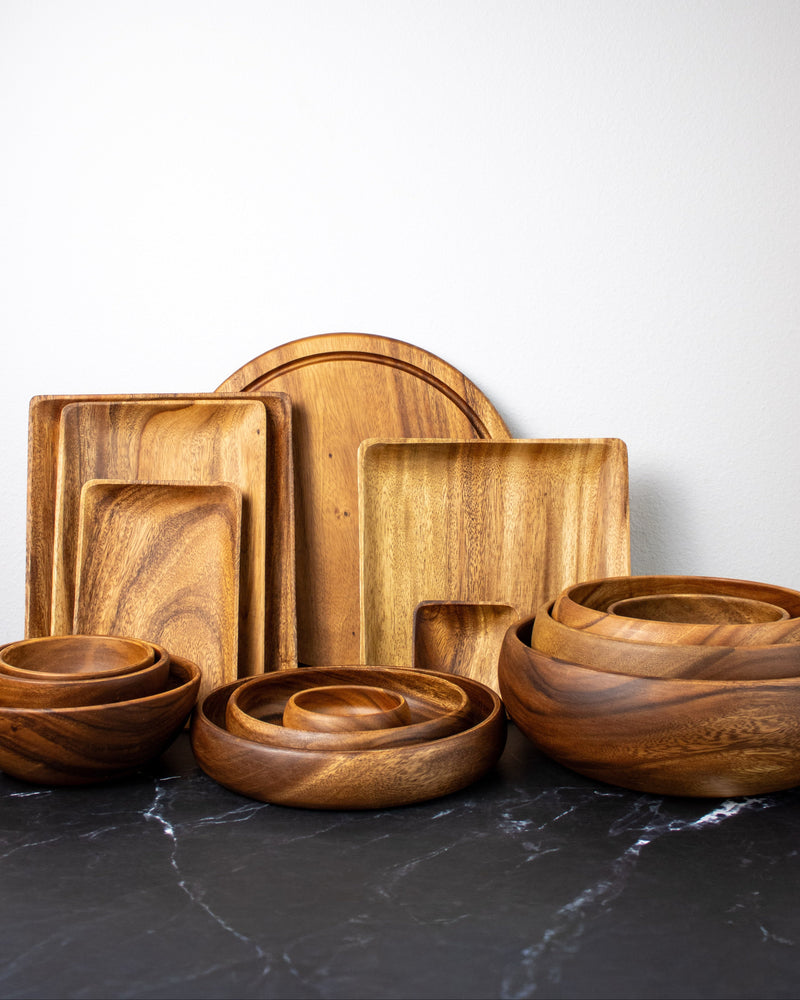
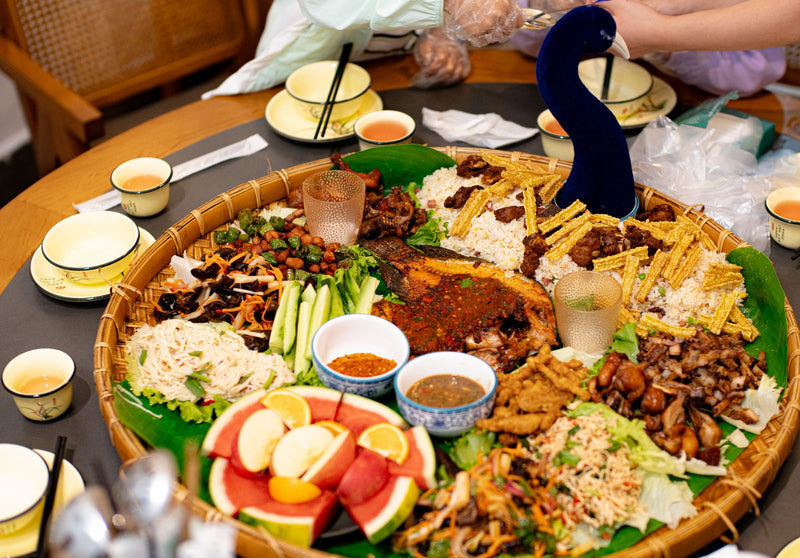
Ask the question honestly and the answer takes a while. Is acacia wood sustainable? It depends on the tree, the source, the workshop, the finish, and, more than anything, on you. A piece of tableware that ends up in a landfill after eighteen months is not sustainable no matter what the tree was. A piece that outlives the person who bought it usually is, whatever the label said.
This is the long version of the answer, written for people who care about the actual question and not the marketing version of it. We work with acacia every day in a workshop in Pampanga. We are going to tell you what we know, including the parts we cannot certify and the parts that depend on you.
What "sustainable" actually means for a bowl
Sustainability is a word that has been asked to carry too much. On a product page it usually means "we would like you to feel good about buying this." On a supply-chain audit it means something specific: measurable inputs, measurable outputs, an accounting that survives someone reading it carefully. For a piece of tableware, honest sustainability sits across four questions that need separate answers.
Where the material came from
Was the tree grown for this? Was it cleared for this? Was it already down before anyone thought of a product? The three answers point at three different footprints, and the industry mostly lumps them together and calls the whole thing "responsibly sourced." They are not the same. A plantation cut on schedule, a salvaged roadside trunk, and an illegal clearance are three different ledger entries.
How the piece was made
Energy, water, labor, transport. A bowl turned on a lathe by hand in a Pampanga workshop is a different manufacturing story from one stamped out on an automated line and shipped from a container port two thousand kilometers away. Both get called wood. Only one carries the full cost of the piece in the price.
How the piece is finished
A food-safe mineral oil and beeswax finish is compostable at end of life and can be re-applied at home. A plastic-based lacquer is neither. The finish is where a lot of otherwise honest wooden tableware quietly stops being wood in any meaningful sense.
How long the piece lasts
This is the one nobody measures on the box. It is also the one that decides everything. A ten-year piece and a two-year piece do not belong in the same sustainability conversation, regardless of what wood they came from. Service life is the multiplier that changes every other number in the chain.
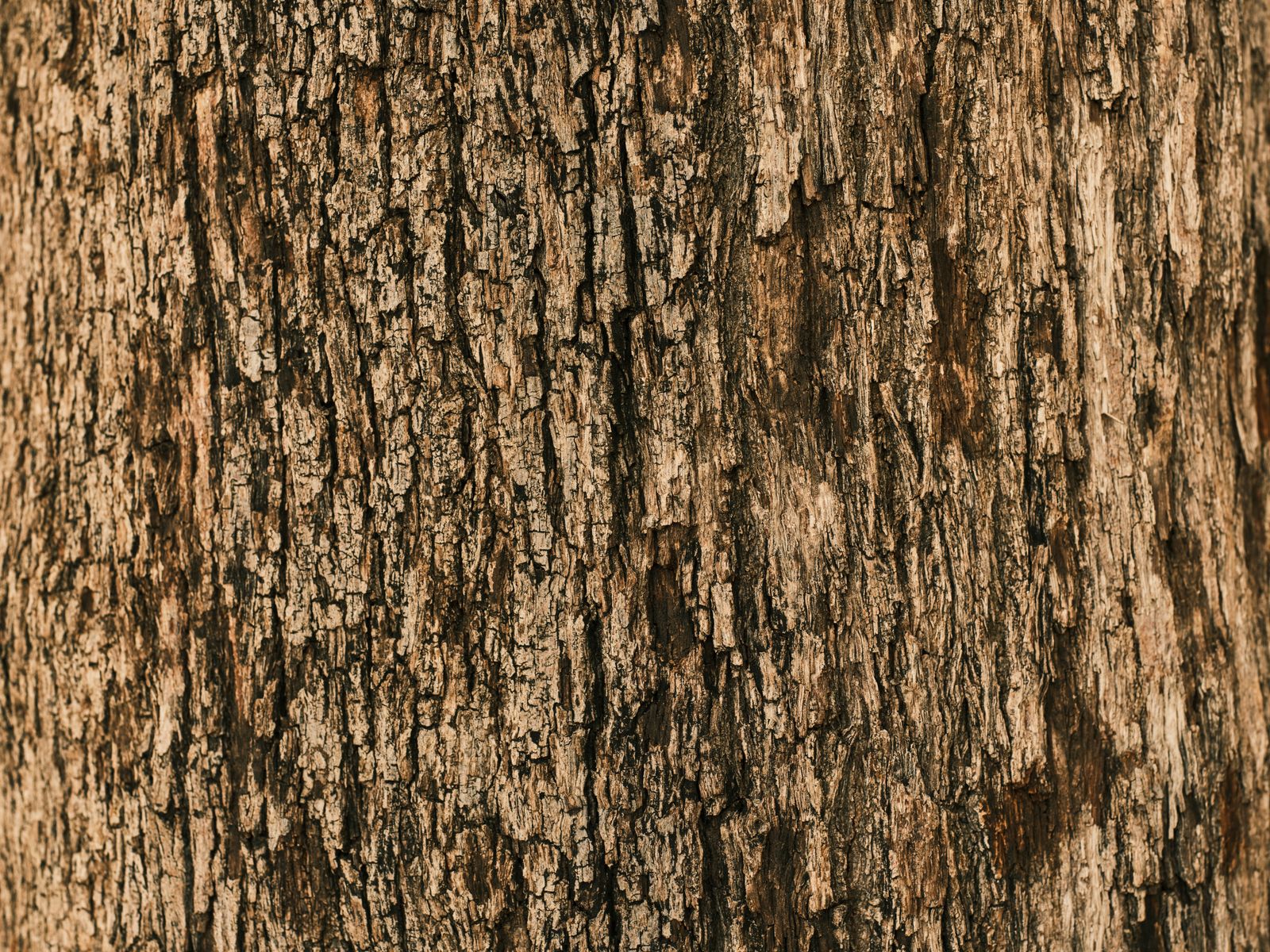
The Philippine picture: acacia is not a plantation crop
Most of what gets sold as acacia tableware around the world uses one of two very different trees. The first is Samanea saman, the rain tree, the big umbrella-shaped one you sat under during recess. The second is Acacia mangium or Acacia auriculiformis, faster-growing plantation species used for pulp and low-cost furniture across Southeast Asia. Both get labelled "acacia" on a shelf. Their supply chains are not comparable.
Mangium is a plantation crop. It grows on managed hectarage, cuts in ten to fifteen year rotations, and can be tracked through standard forestry certification. It is also the wood in most of the disposable-feeling acacia bowls stacked at big-box home stores. We compared that supply base to another popular "eco" material in acacia versus bamboo tableware, because both are pitched in the same aisle and the honest answers differ.
Samanea saman is different. In the Philippines it is not planted for timber. It was planted a century ago for shade, along roads and school grounds and municipal plazas, and it grew into the tree everyone recognizes. A mature rain tree is thirty to sixty years old, sometimes more. You cannot plant one in a rotation. You have to wait for one to already exist, and then to be legally available for harvest, which usually means it has died, fallen in a storm, become a hazard, or been cleared for a road project. Where acacia wood comes from covers the country-wide picture in more depth.
What our workshop actually sources
Our shop in Pampanga sources logs from across Luzon. Most of them arrive in one of three ways. Storm-fall pieces come in from suppliers we have worked with for years, who know where the old trees are and who to call when one goes down. End-of-life trees come from families who own the land and would rather see the wood used than burned when the elders pass. Roadwork clearance pieces come from local government projects where the alternative is landfill or firewood. We do not commission trees to be cut for our products.
This is not a virtue statement. It is the only supply model that makes sense for rain tree acacia at the scale we work at. A workshop that promised standardized, high-volume, matched-set output from Samanea saman would be either lying, cutting trees that should not be cut, or quietly running plantation mangium and calling it something else. We would rather tell you what the tree actually gives us.
Why "reforestation" claims deserve a second look
You will occasionally see acacia tableware marketed with a reforestation offset attached. For plantation mangium the math is legible: the crop was grown to be cut, and replanting is part of the rotation. For rain tree there is no equivalent. Planting a Samanea saman today is a gift to a person who will be born in 2050. It is a real gift. It is not the same as replacing a tree you cut this year, and the two should not be reported in the same line on a marketing page.
FSC, chain of custody, and what to actually ask
The Forest Stewardship Council certification is the most recognized signal in wood sourcing globally. It works well for plantation timber. It works less well for salvage, and its coverage in the Philippines is thinner than in North America or Northern Europe. That does not make it useless. It means you have to read what it does and does not cover.
What FSC certifies
FSC covers the forest, the chain of custody, and the finished product with different labels. A "FSC 100%" mark means all material in that piece came from an FSC-certified forest. "FSC Mix" means some material did. "FSC Recycled" is exactly that. For plantation acacia grown for the international timber trade, FSC certification is available and common. For salvaged Samanea saman from Philippine roadside and end-of-life sources, FSC is rare, because the material does not come from a certified forest management unit. It comes from a barangay road.
What to ask a seller when there is no FSC label
These are the questions worth asking, in this order:
- Which species is this, using the botanical name, not just "acacia"?
- Where was the tree, and how did it come down?
- Where was the piece made, and by whom?
- What is the finish, and is it food-safe by which standard?
- What is the expected service life with normal care?
Any seller who cannot answer three of the five is guessing. Any seller who can answer all five has been paying attention. If you want a fuller picture of how a piece travels from log to table, we walked it in how acacia becomes tableware.
The certification gap and why it exists
Rain tree salvage does not scale the way plantation timber scales. A single village might yield two or three usable trunks a year. Certification bodies are set up for standing forests and steady output. The result is a real supply gap where the most local, lowest-footprint acacia in the Philippines is technically uncertified, and imported plantation acacia in a big-box store carries a green tick. The label is not lying. It is measuring something different.

A bowl set that outlives most cabinets
Turned from mature Samanea saman that lived a full life before it reached the lathe, and finished to be oiled and kept for decades.
Shop the Gorosin bowl set →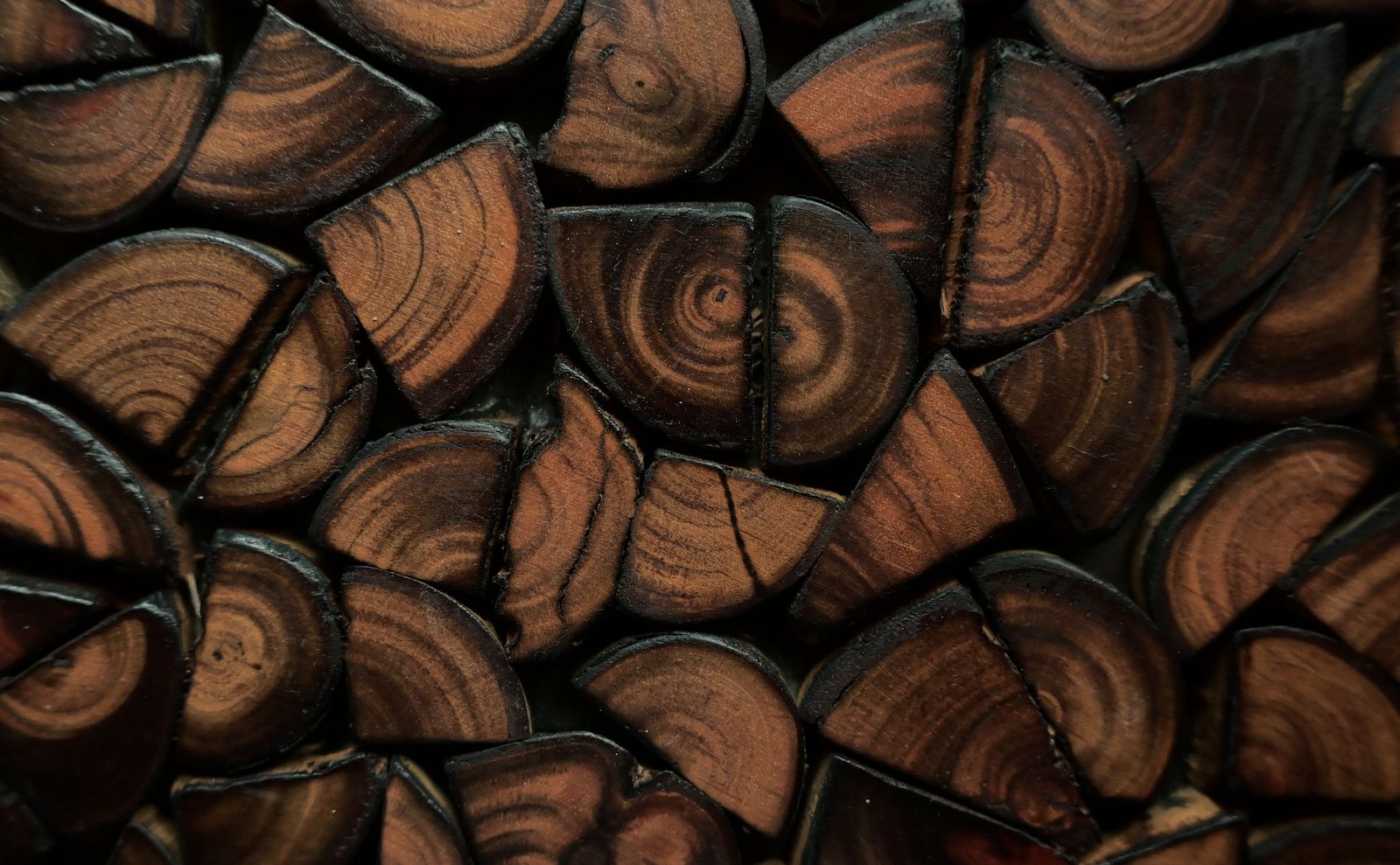
The lifecycle question: from tree to compost
A full lifecycle analysis of tableware compares raw material footprint, manufacturing energy and water, transport, service life, and end-of-life disposal. The published academic work on this is limited and depends heavily on assumptions, so we are not going to throw specific carbon numbers at you and pretend they are settled. We will walk the four material categories directly and note where the honest tradeoffs are.
Ceramic
Kiln-fired. The firing step is the dominant footprint, and it is not small. A ceramic bowl that lasts ten years amortizes that fire well. One that chips and gets replaced in three years does not. Recyclable in theory. Rarely recycled in practice. Almost never composts.
Plastic
Petroleum feedstock, low manufacturing energy per piece, low transport weight, and a service life that in food use is often measured in months before staining and warping make the piece feel disposable. Recyclable in theory. Rarely recycled in practice. Never composts. The material persists long after the bowl feels like trash.
Bamboo composite
Fast-growing grass, low agricultural footprint on paper. The tableware version is usually bamboo fiber bound with a melamine or urea-formaldehyde resin, then heat-pressed. This quietly shifts the piece from plant material to a plant-plus-plastic composite, with the disposal profile of the plastic. Solid bamboo utensils are different, but flat bamboo plates and bowls almost always mean the composite.
Solid acacia, oil-finished
Salvaged rain tree carries no growing footprint that we did not already spend on the shade the tree threw for forty years. Manufacturing is a lathe and hands, low energy relative to a kiln or an injection line. Finish is mineral oil and beeswax, both of which the US Food and Drug Administration classes as safe for direct food contact, and both of which biodegrade. Service life with basic care is measured in decades. End of life is compost or firewood, no residue.
The variable that decides everything
Service life is where the whole calculation lives. A ceramic set that lasts thirty years beats an acacia set that gets thrown away in three. Nobody talks about it this way, because nobody is selling you longevity. Everyone is selling you the next piece. The lifecycle argument for wooden tableware only works if the wooden piece actually lives out its lifecycle, and that part is on the person who takes it home.
Care is where sustainability actually happens
This is the chapter nobody writes because nobody buys it. We are going to write it anyway. The single biggest environmental variable in wooden tableware is how long the piece lasts in your kitchen, and how long it lasts is a function of how you treat it. An oiled, hand-washed acacia board that is used weekly can go twenty to thirty years. The same board left in a sink of hot soapy water overnight can crack in eighteen months. The material did not change. The care did.
The one habit that adds ten years
Wipe it down, dry it, oil it when it looks dry. That is the whole ritual. Every three or four weeks, food-grade mineral oil applied with a soft cloth, rubbed in, wiped off the surface, left to sit overnight. This one habit is worth more than any label on the box. The full walk-through, including how to tell when a piece is thirsty, is in how to care for acacia wood bowls.
The five things that kill a piece early
- Dishwasher heat and detergent, which pull moisture and finish out of the wood in a single cycle.
- Prolonged soaking in the sink, which raises the grain and warps the piece.
- Extreme thermal shock, such as pouring boiling stock into a room-temperature bowl, which starts a check along the grain.
- Neglected oiling, which lets the surface dry out until it cracks along a natural weakness in the wood.
- Direct sunlight over months, which fades the color and dries the piece unevenly from one side.
Why the finish matters as much as the wood
A mineral oil and beeswax finish is the reason the wood stays wood. It is also the reason you can maintain the piece at home, because you use the same oil to top it up that the workshop used to seal it. A plastic-based lacquer, by contrast, seals the wood permanently, looks glossy for two years, then chips, and cannot be repaired without stripping. If the finish cannot be renewed, the piece cannot be renewed, and a piece that cannot be renewed is on a countdown from day one.

A board built for a working kitchen
Thick, straight-grained acacia meant to be re-oiled, resurfaced if needed, and handed down without ceremony.
Shop the Pamilya board set →The buy-fewer-better argument, done with the actual math
Sustainability discussions tend to get stuck on the piece in front of you. The bigger question is the shape of the kitchen you are building. Ten cheap items that last two years each is twenty item-years of service, and about a dozen replacements you will forget you made. One good item that lasts twenty years is twenty item-years too, and one purchase. The math is roughly the same. The trash count is not.
The unit that matters is item-years, not ticket price
Divide any ticket price by the months of service you actually get out of the piece. A budget bowl at a third of the price that lasts a tenth of the time costs three times more per month of use, plus ten trips to the landfill instead of one. This is not a pitch to buy an expensive bowl. It is an argument to notice what you are actually paying for when the cheaper number on the shelf feels obvious.
What a working "keep set" looks like
For a household of four to six, a working set is not enormous. A large family bowl, four to six plates or smaller bowls, a serving board, and a smaller board for chopping. That is a keep set. Everything above that is either specialty or replacement. A ready-made version, sized for weekday meals and for handaan, is our family hosting set, and the reasoning behind its sizing is in family hosting set explained. If you would rather build a set one piece at a time, the bowls collection is where most people start.
The one honest test
Before buying any piece of tableware, wooden or otherwise, ask a single question. Do I plan to still be using this in ten years? If yes, the sustainability question mostly answers itself. If no, no label on the box is going to save it. The rain tree that gave the wood took thirty years to grow. Owe it at least that much attention when it reaches your kitchen.

The keep-set for a working household
One set that covers weekday meals and handaan-scale gatherings, sized to be used often and to last long enough to earn its scratches.
Shop the family hosting set →Frequently Asked Questions
Is acacia wood tableware really sustainable?
It depends on which acacia, where it came from, how it was made, and how long you keep it. Salvaged rain tree acacia, turned locally, oil-finished, and cared for through a normal service life, sits at the low end of tableware footprint. Plantation acacia with a plastic finish that gets replaced every two years does not.
Is acacia FSC-certified?
Plantation Acacia mangium and auriculiformis often are. Rain tree Samanea saman from Philippine salvage sources rarely is, because the wood does not come from a certified forest management unit. This is a gap in the certification system, not necessarily in the sourcing.
Does harvesting acacia damage forests?
Not the version in Philippine tableware, when honestly sourced. Rain tree in the Philippines is not a forest species. It is a planted shade tree, and the supply comes from trees that have died, fallen, or been cleared for infrastructure. Plantation acacia elsewhere is a managed crop, closer to a farm than a forest.
How long does an acacia bowl last?
With regular oiling, hand-washing, and normal use, twenty to thirty years is a reasonable expectation. With dishwasher use and no oiling, three to five years is more realistic. The variable is care, not material.
Is the finish safe and sustainable?
The finish used by most Philippine workshops, including ours, is food-grade mineral oil and beeswax. Both are classed as safe for food contact by the US Food and Drug Administration, both biodegrade, and both can be re-applied at home to renew the surface indefinitely.
Is acacia more sustainable than bamboo?
It depends on the piece. Solid bamboo is close. Most bamboo tableware, however, is a bamboo-plus-melamine composite that behaves like plastic at end of life. Solid, oil-finished acacia usually wins on service life and on disposability.