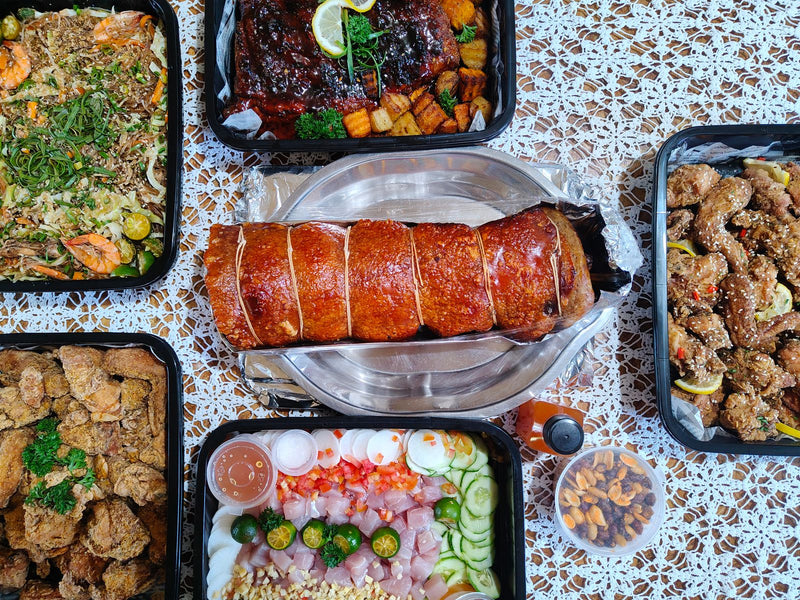
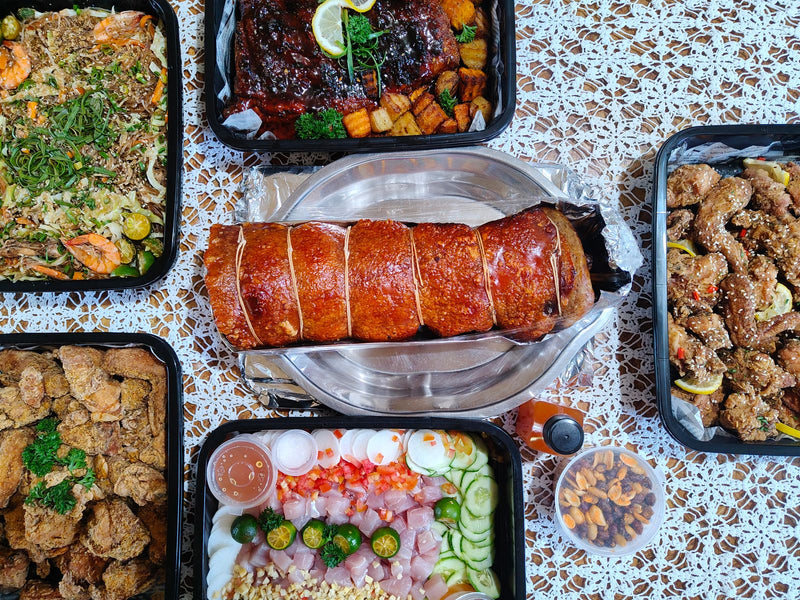
Merienda is the Filipino afternoon in food form. Somewhere between three and five in the afternoon, when the heat has softened and the sound of the day changes, someone in the kitchen starts arranging what will be served. It is not lunch and it is not dinner. It is the meal that says the day is not over, that people are still around, and that there is time to sit. This guide walks through eight merienda spread ideas, from the classic kakanin board through the modern pica-pica table, and ends with a short chooser to help you pick the right one for the crowd and the weather in front of you.
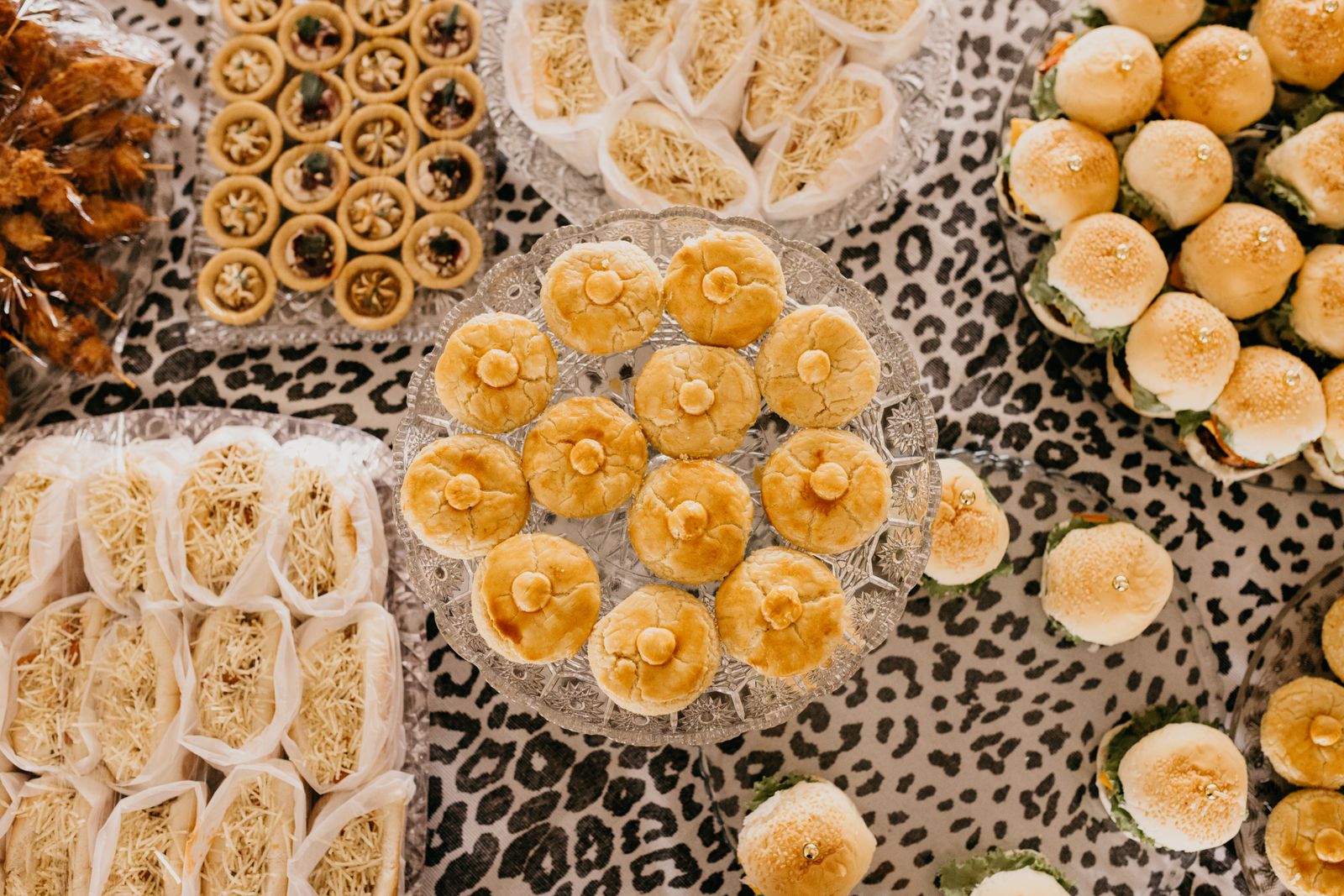
What makes a merienda spread actually work
Before the food, understand the shape of the meal. Merienda has a rhythm that is different from lunch or dinner, and the spread should match that rhythm rather than fight it. The best merienda spreads share three qualities, and once you learn to see them, choosing between the eight ideas below becomes almost automatic.
One anchor, two or three lighter pieces
A merienda table with five equally weighted dishes reads as an early dinner and exhausts the appetite. A merienda table with one anchor dish, usually the warm one, and two or three lighter pieces around it reads correctly. The anchor is what guests actually sit down for. The lighter pieces are what they reach for absentmindedly while they talk. Pancit as the anchor and lumpia plus empanada as the sides is a classic pattern. Bibingka as the anchor and puto plus suman as the sides is another. Look at your spread and ask which piece is the anchor. If you cannot identify one, cut the spread down until you can.
A drink that belongs to the spread
Filipino merienda always includes a drink, and the drink is not an afterthought. Sago at gulaman for summer merienda. Salabat or hot chocolate for cool-weather kakanin. Fresh calamansi juice for a savory pancit table. Kape barako for anything with pandesal. The drink is what tells the table what season the merienda is in. Choose the drink first, then let it steer the food.
Portioning for the actual crowd
Merienda for six to eight is a family-sized spread. Merienda for twelve to sixteen is a small gathering. Merienda for twenty or more starts to look like a fiesta and needs to be planned as one. Assume each guest will take two to three pieces of the anchor dish, one to two of each side, and refill their drink twice. And always plate one extra portion in the kitchen before you serve. If you have read our guide to Filipino hospitality, salu-salo and pakikisalo, you already know why. Someone will ask for pasalubong on the way home.
The sweet spreads: kakanin, pandesal, ginataan
The sweet side of merienda is the one most families default to, and for good reason. Sweet spreads are easier to hold at room temperature, they pair with the widest range of drinks, and they invite grazing. Three sweet spread patterns cover most occasions.
1. The kakanin board
The most traditional merienda spread in the Filipino repertoire. A wide wooden board or platter lined with banana leaf, holding a whole bibingka at the center, a stack of puto to one side, a small bundle of suman to the other, and a shallow bowl of kutsinta with latik. Salted egg quarters and grated fresh coconut are arranged around the bibingka. The whole board eats for six to eight and can be assembled in the twenty minutes it takes to soften the leaves and slice the bibingka. For the full presentation walkthrough, see our guide to kakanin on banana leaves. Pair with salabat in cool weather or with fresh coconut water in the summer.
2. Pandesal and spreads
The most flexible sweet spread and the easiest to build on short notice. A basket of warm pandesal, split down the middle, is the anchor. Around it, arrange three or four small bowls of spreads. The classic set is coco jam, kesong puti, peanut butter, and salted butter. Add a bowl of ripe mango slices in season, or a stack of quezo de bola shavings around Christmas. What makes this spread work is the range of textures on soft bread, from the cool creaminess of kesong puti to the sticky richness of coco jam. Serve with kape barako or a pot of tsokolate eh, thick and gritty from the batirol. Portion two pandesal per guest, plus refills.
3. Ginataan
The warm merienda for cool afternoons, monsoon season, or the long stretch between Christmas and New Year. Ginataan is a coconut milk stew with sweet potato, taro, saba banana, tapioca pearls, and glutinous rice balls, served in wide shallow bowls. The spread is quieter than the other two. One large communal pot on a wood trivet, wide serving bowls stacked next to it, and a small plate of freshly toasted latik to spoon over each serving. That is the entire spread. What ginataan does not need is a side dish. It needs a drink of contrast, usually hot barako or salabat, and a room warm enough to justify itself. Portion one and a half cups per guest.

Wide bowls for ginataan and halo-halo
The shape that carries a coconut-milk stew or a scoop of shaved ice without cramping the toppings on top.
Shop the Ama bowl set →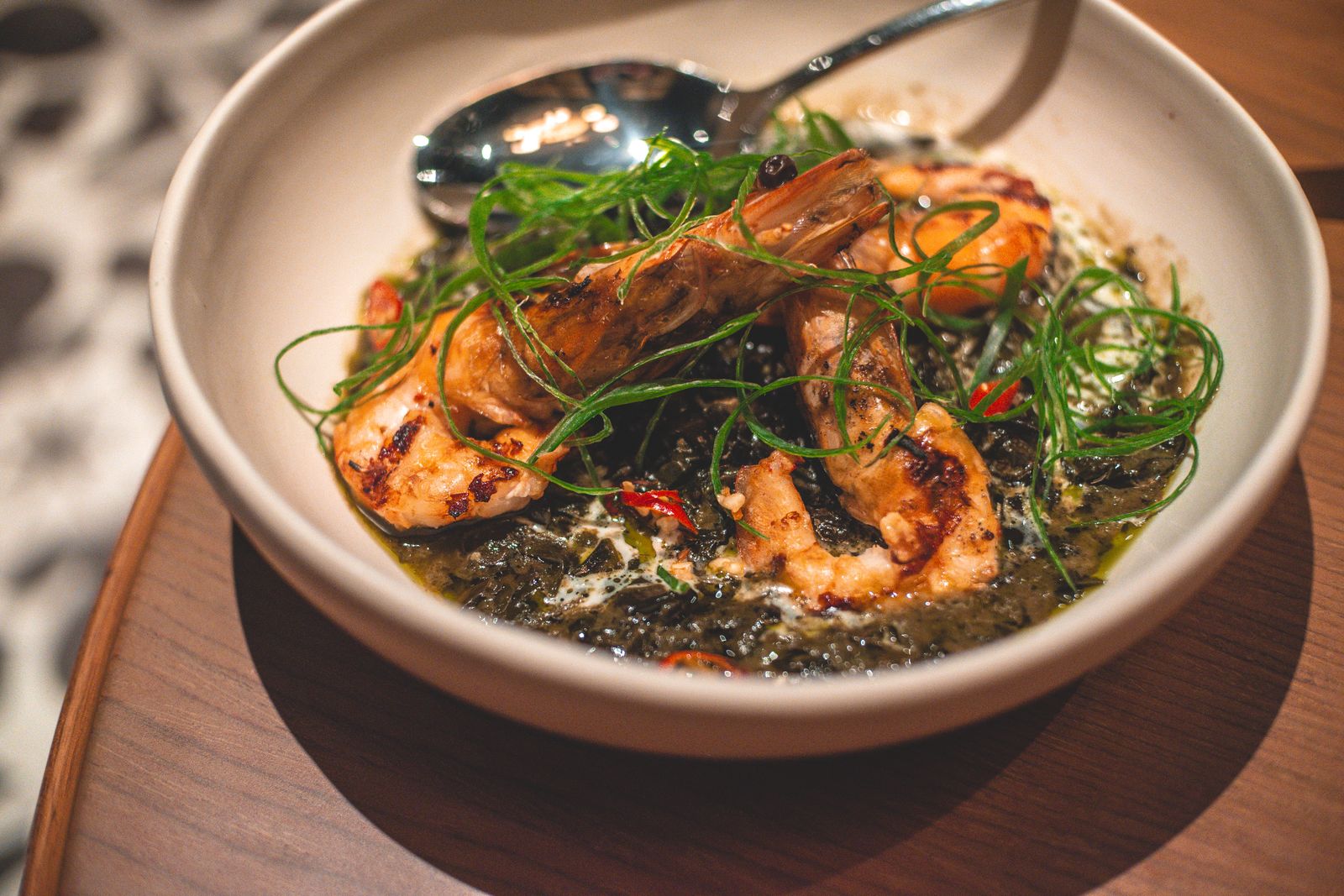
The savory spreads: pancit, lumpia, and modern pica-pica
Savory merienda is the underrated half of the Filipino afternoon. It suits a hungrier crowd, a longer stretch between lunch and dinner, and any gathering where guests will stay past six. Three savory patterns cover most of what you will want to host.
4. The pancit table
Pancit is the anchor dish that carries the most Filipino weight. A single large platter of pancit palabok, canton, or bihon guisado sits at the center of the table, with calamansi wedges around the rim and a small bowl of patis for anyone who wants to salt further. Around the pancit, arrange two or three lighter pieces: puto to eat alongside, chicharon in a shallow wooden bowl for crunch, and a plate of sliced hard-boiled eggs. Pancit is a birthday food, so this spread doubles well as a small celebration table. Serve with softdrinks, iced tea, or fresh calamansi juice. Portion one cup of pancit per guest, plus a quarter cup extra for seconds.
5. Lumpia and empanada
The finger-food merienda. A long wooden board holds a diagonal row of freshly fried lumpia shanghai, a stack of empanada, and a small pile of ukoy if you want to go three-directional on the fried theme. Dipping sauces sit in small bowls at intervals: sweet chili for the lumpia, spiced vinegar for the empanada, garlic vinegar for the ukoy. What makes this spread work is temperature. Everything on the board should have come out of the oil in the last thirty minutes. Cold fried food is a betrayal of merienda. If you have hosted a lumpia spread before or want the full geometry of one, our guide to lumpia spread presentation covers the board layout in detail. Serve with cold softdrinks or beer if the crowd is adult.
6. The modern pica-pica
Pica-pica is Spanish-Filipino restaurant vocabulary for small plates meant to be picked at, and it has crossed into home merienda over the last decade. The modern pica-pica spread is a wooden grazing board with cheese, cured meats, olives, and dried mangoes on one half, and Filipino small bites on the other: sisig cups, tokwa at baboy in miniature bowls, quezo de bola cubes, and dilis with peanuts. What makes this spread modern rather than a copy of a Western charcuterie board is the ratio. At least half the board should be Filipino. If it reads as a European board with dilis added as garnish, it has drifted. Serve with beer, wine, or a pitcher of calamansi soda.

The long board for pancit, lumpia, and pica-pica
A single acacia surface wide enough to hold an anchor dish with three or four lighter pieces around it, without crowding.
Shop the Pamilya board set →The occasion spreads: halo-halo bar and boodle merienda
Two spreads deserve their own category because they are structured differently from the six above. They are not built around one anchor and two or three sides. They are built around a shared production, either an assembly line or a communal surface, and they take longer to set up but pay back more in atmosphere.
7. The halo-halo bar
The definitive summer merienda for a crowd. Instead of pre-assembling each glass, you set up a bar and let guests build their own. The line runs: tall glasses on one end, then shaved ice in a large insulated container, then the toppings in a row of small wooden bowls or ramekins. The classic topping order is sweetened kaong, sweetened nata de coco, sweetened kidney beans, sweetened garbanzos, sweetened saba, sweetened langka, ube halaya, leche flan, and a scoop of ube ice cream at the top. Evaporated milk in a small pitcher goes last, poured over the whole assembly. What makes this spread work is the physical arrangement. Line the bowls up in order so guests move down the bar without doubling back. Portion each topping at two tablespoons per guest, doubled for kaong and nata de coco since those get used most.
8. The boodle merienda
The weekend-afternoon variation on the traditional boodle fight, scaled down and adjusted for merienda hours. A long banana-leaf-lined board holds a mound of pancit at the center, with lumpia arranged along one side, empanada down the other, and small piles of chicharon and boiled eggs at the corners. Suka in small bowls at intervals every two guests. Everyone eats kamayan, with hands, from the shared surface. What differentiates this from a full boodle fight is that the protein-heavy grilled pieces are absent, and rice is not the base. Pancit is the base. This spread suits a Sunday afternoon of six to eight family, and it turns merienda into a hosted event without the full weight of dinner. For the underlying setup principles, our guide to how to host a boodle fight covers the surface preparation and etiquette that carry over.
How to choose your merienda spread
Eight spreads is a lot to pick from. The right one for your specific afternoon comes down to four questions, asked in order.
What is the weather doing
Weather sets the sweet-versus-savory axis first, and warm-versus-cold second. Hot afternoon, cold spread: halo-halo bar, pandesal with fresh mango, or a room-temperature kakanin board. Cool or rainy afternoon, warm spread: ginataan, freshly fried lumpia and empanada, or hot pancit palabok. Merienda in Manila humidity looks nothing like merienda in a Baguio downpour, and the spread should acknowledge that.
How many guests
- Two to four guests. Pandesal and spreads, or a small ginataan. Do not scale up beyond what actually gets eaten.
- Six to eight guests. The kakanin board, the pancit table, or the boodle merienda. This is the family-sized sweet spot for most patterns.
- Twelve to sixteen guests. The halo-halo bar or the modern pica-pica. Both scale linearly by adding bowls and topping quantity.
- Twenty or more. Combine two spreads. Kakanin plus pancit is the classic Filipino large-crowd merienda.
How much time do you have to set up
Twenty minutes: pandesal with spreads, ginataan reheated from earlier, or a lumpia board with sauces you already have in the fridge. Forty-five minutes: the kakanin board with softened banana leaves, or the pancit table with a fresh pot of palabok. Ninety minutes or more: the halo-halo bar (which needs advance topping prep), the modern pica-pica (which needs sourcing time), or the boodle merienda (which needs the full leaf setup).
What occasion is it
Sunday family gathering: kakanin board or boodle merienda. Birthday: pancit table. Post-mass or Simbang Gabi: kakanin board with hot salabat. Afternoon meeting turning social: pandesal and spreads. Summer children's party: halo-halo bar. Adult gathering that will run into evening: modern pica-pica or lumpia spread. The occasion tells you the tone, and the tone tells you the spread.

Small plates for pica-pica and merienda portions
Individual acacia plates sized for a couple of lumpia, a slice of bibingka, or a small serving of pancit, without leaving the table looking bare between refills.
Shop the Anak plate set →Wood serving pieces that carry a merienda well
Every one of these eight spreads assumes serving pieces that can hold heat, sit alongside each other visually, and clean up quickly between refills. Wood does all three, which is why almost every Filipino household with a merienda tradition ends up with at least one acacia board and a nesting set of bowls.
Boards for anchor dishes
The anchor dish, whether pancit, bibingka, or a lumpia lineup, wants a single wide surface. A long acacia board, roughly the length of the table, is the piece that carries the visual weight of the spread. Round platters work for kakanin and ginataan. Rectangular boards work for pancit and lumpia. If you are building a merienda service from scratch, start with one board sized for the largest crowd you expect to host, and add smaller pieces around it as you go.
Bowls for dips, syrups, and stews
Merienda is bowl-heavy. Suka bowls for lumpia. Latik bowls for kakanin. Topping bowls for the halo-halo bar. Shallow serving bowls for ginataan. A nesting set of three to five acacia bowls in graduated sizes covers most spreads without needing more.
Plates for individual portions
The lighter merienda spreads, especially pandesal with spreads and the modern pica-pica, work better when each guest has a small individual plate to work from. This keeps the shared board tidy and gives guests a way to portion what they take. Small acacia plates, sized for two or three pieces of finger food, are the right scale for merienda.
Care between spreads
Sweet merienda leaves coconut milk, muscovado syrup, and latik oil behind. Savory merienda leaves patis, suka, and lumpia grease. All of them wipe off wood quickly with a warm damp cloth if you get to them within the hour. For the full care rhythm as it applies to Filipino cooking specifically, our companion guide to Filipino dishes for wooden tableware walks through the oils and sauces that need attention and the ones that can wait until the next morning.
Frequently Asked Questions
What time is merienda usually served in the Philippines?
Merienda is served between three and five in the afternoon, with three-thirty as the traditional anchor time. In some households and provinces, a second merienda called merienda cena is served between five-thirty and six-thirty, which functions as a light early dinner. The exact hour flexes with the household, but the three-o'clock start is what defines the meal.
What is the difference between merienda and snack?
A snack is unstructured and eaten alone or on the go. Merienda is a small meal, served at the table, at a specific hour, with a drink and at least two dishes. The intent is social. Even a solo merienda tends to be sat down for rather than eaten standing over the counter.
Should merienda be sweet or savory?
Either, and often both on the same table. Traditional merienda leans sweet, especially in the provinces, because sugar and coconut hold up better in warm weather. Urban and modern merienda leans savory more often, especially when the spread doubles as an early dinner. Weather and appetite decide.
Can I serve merienda for a large party without turning it into dinner?
Yes. Keep the portion sizes small per guest, and stop at three or four distinct items on the table. Add more of each item as the crowd grows, but do not add new dishes. The moment you have six or seven different dishes out, the spread stops reading as merienda and starts reading as dinner.
What drink should I serve with a merienda spread?
Match the drink to the season and the food. Salabat or hot chocolate with cool-weather kakanin. Sago at gulaman or fresh coconut water for hot-weather kakanin. Kape barako with pandesal. Calamansi juice or iced tea with pancit and lumpia. Cold softdrinks or beer with a modern pica-pica board. Evaporated milk gets poured onto halo-halo, not served alongside it.
How far ahead can I prep a merienda spread?
Most sweet spreads can be prepped the morning of, kept covered at room temperature, and assembled thirty minutes before service. Ginataan can be made the day before and reheated. Halo-halo toppings can be portioned into bowls up to two hours ahead and refrigerated. Fried items like lumpia and empanada should be finished no more than thirty minutes before guests arrive, since cold fried food loses the merienda.