What pamamanhikan actually is
Pamamanhikan is often described in English as "the visit," which is technically correct and completely misses the point. It is the meal where two families sit at one table for the first time as future in-laws, and the groom's side asks, formally and in front of witnesses, for the bride's hand. Every choice the hosting family makes that evening, from the food to the seating to how the plates are set down, is read as a signal. Not by strangers. By the people who will be part of your family for the rest of your life.
The literal meaning
The root word is "panhik," to climb up. In traditional bahay kubo culture, the groom's family literally climbed the steps into the bride's family home. The verb stuck even as the architecture changed. Today it still carries that image: the visiting party ascending, being received, being brought inside. The hosting family is the household on the higher ground. The visitors approach with respect.
What separates it from an ordinary family meal
Filipino families eat together constantly. Sunday lunch, birthdays, fiesta weekends, boodle fights for no reason at all. Pamamanhikan is not one of those meals, even though on the surface it looks like one. The difference is the ask. Before the night is over, someone from the groom's side, usually his father or the eldest male relative present, will formally request the bride's hand. That single sentence changes the meal from a gathering into a rite. Everything you set on the table exists to hold space for that moment.
Where it sits in the wedding timeline
Pamamanhikan happens after the couple has decided privately that they want to marry and before any wedding planning becomes public. It is the first checkpoint. Traditionally it precedes the engagement announcement, though modern couples often flip that order and treat pamamanhikan as the formal blessing rather than the initial ask. Either way, it is the point where families meet, align, and begin planning together. If you are the parents of the bride, this is the night you inherit a second family. If you are the parents of the groom, this is the night you present yours. Related rites like binyag meals follow a similar host-and-visitor logic, and the same principles about abundance and formality apply here.
Who comes, and how you receive them
The guest list at a pamamanhikan is smaller and more deliberate than at a birthday or Christmas gathering. It is not a party. It is a delegation from one household visiting another, and the composition on both sides matters.
The core parties
- From the groom's side: the groom, his parents, and typically his eldest sibling or an authoritative elder (a lolo, lola, tito, or tita whose blessing carries weight).
- From the bride's side: the bride, her parents, and her closest elders, usually mirroring the groom's party in seniority.
- Ninongs and ninangs are traditionally not invited to pamamanhikan itself. They enter the picture later, at the pa-alam or during wedding planning.
Six to ten people at the table is the typical range. If either family is very large, keep pamamanhikan tight and hold a larger blended gathering afterward. Trying to seat twenty at this meal dilutes what the meal is for.
The pasalubong protocol
The groom's family never arrives empty-handed. Traditional offerings include:
- A whole roasted lechon or a large lechon kawali, brought to the table.
- Regional pasalubong from the groom's home province: bibingka, ensaymada, chicharon, dried mangoes, native chocolate tablea.
- A bottle of good wine, brandy, or lambanog, depending on the household.
- In some families, an unopened bag of rice, a gesture of contribution to the household.
The bride's family accepts these graciously and, importantly, incorporates them into the meal. The lechon is served, the pasalubong is set out for dessert or merienda later, the wine is poured. Nothing brought is put away for another day. That would read as rejection.
Receiving them at the door
The bride, both parents, and any elders already inside should meet the groom's party at the door together. Not from the sofa. Not after a shout to come in. Physically at the entrance. The groom's father typically leads his group in with a short greeting; the bride's father responds in kind. Then everyone is walked to the sala for drinks and small talk before moving to the dining table. That five to ten minutes of standing conversation is not filler. It is the meeting itself.
Building the menu
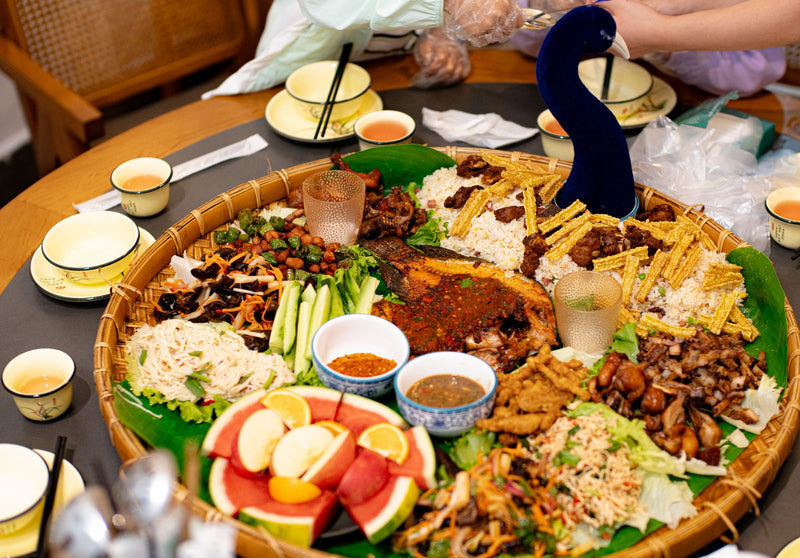
The pamamanhikan menu is where a lot of hosting families overthink themselves into a corner. The instinct is to cook something impressive, something the visitors have never had. Resist it. The purpose of the food is to say: this is how our family eats, this is how we host, and there is more than enough for everyone including anyone who might drop by unexpectedly. That is a specifically Filipino kind of abundance, and it is not communicated by novelty.
The abundance principle
Cook for one and a half times the number of guests. Filipino hosting math treats leftovers as evidence that no one went hungry. A table that looks even slightly bare, or that runs out of a dish before everyone has taken seconds, undermines the entire evening. This is not the meal to plate individually or to portion carefully. Big platters, deep bowls, multiple viands, rice at both ends of the table.
Anchor dishes to consider
- A slow-braised protein the family is known for. Adobo, kaldereta, humba, or mechado all work. This is the dish that says "we cooked for you."
- A whole fish or seafood centerpiece: inihaw na bangus, sinigang na hipon, or grilled lapu-lapu. It softens the heaviness of the braise.
- One vegetable dish that is not an afterthought: pinakbet, laing, or ginisang munggo done properly. Do not serve raw ensalada as the only vegetable.
- A soup: sinigang, bulalo, or tinola. Serve it in the middle of the meal, not at the start.
- Rice, always more than you think, and a second starch if the groom's family is from a region where pancit or lumpia at every meal is standard.
- Dessert: leche flan, ube halaya, or the pasalubong the groom's family brought.
What to skip
Skip anything you have never cooked before. Skip anything that has to be finished at the table under a burner. Skip elaborate plating that requires you to be in the kitchen when guests arrive. Skip alcohol pairings so specific that the meal becomes a tasting menu. Nobody came to be impressed by your technique. They came to see how your family sits down together.
A note on regional bias
If the two families come from different regions, the hosting family cooks in their own regional style with a small, deliberate gesture toward the visitors' region: one dish, one dessert, one drink. That gesture reads as thoughtful. Cooking the entire menu in the visitors' regional style reads as anxious. Confidence in your own kitchen matters here.

The serving pieces this meal is built for
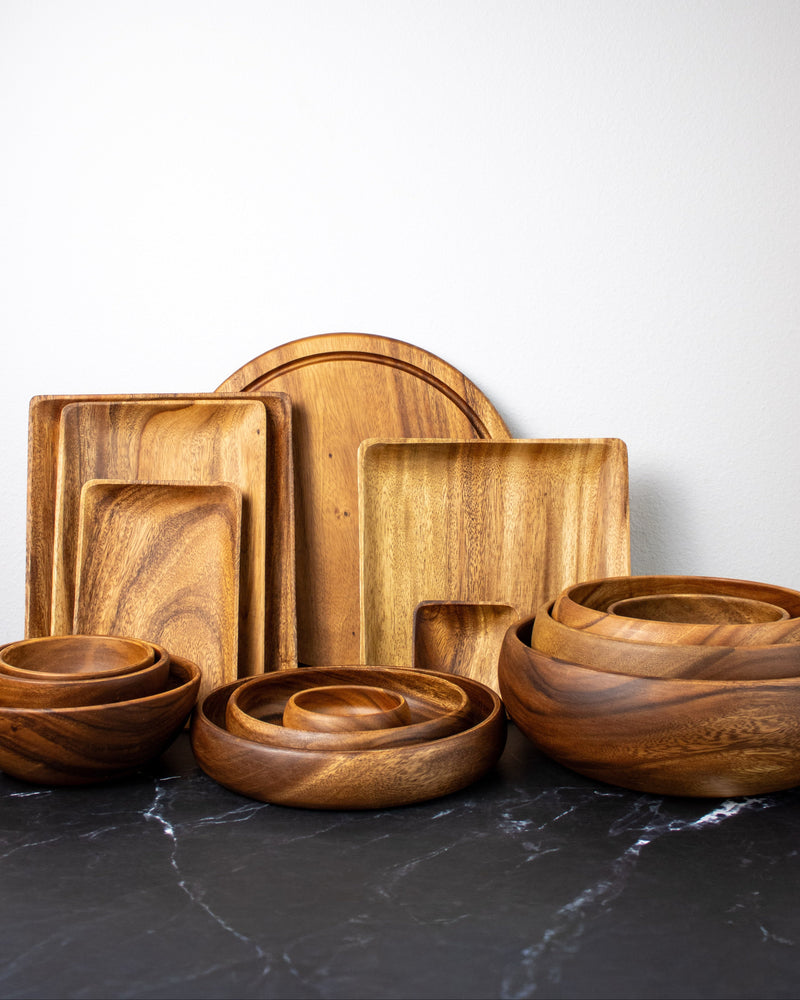
Large acacia bowls and platters that hold rice, viands, and a whole braised dish without crowding, sized for the pamamanhikan table.
Shop the Family Hosting Set →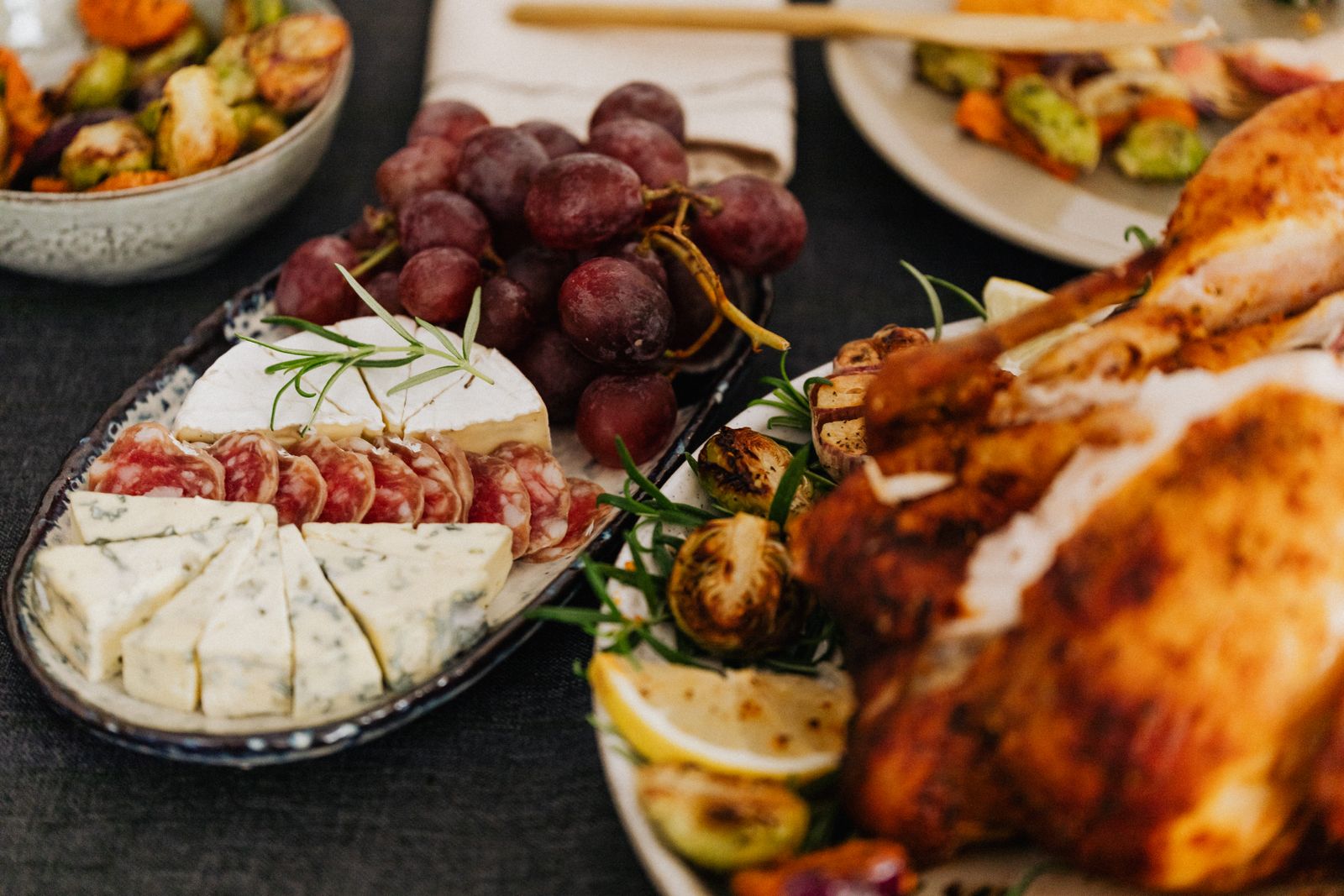
Setting the table
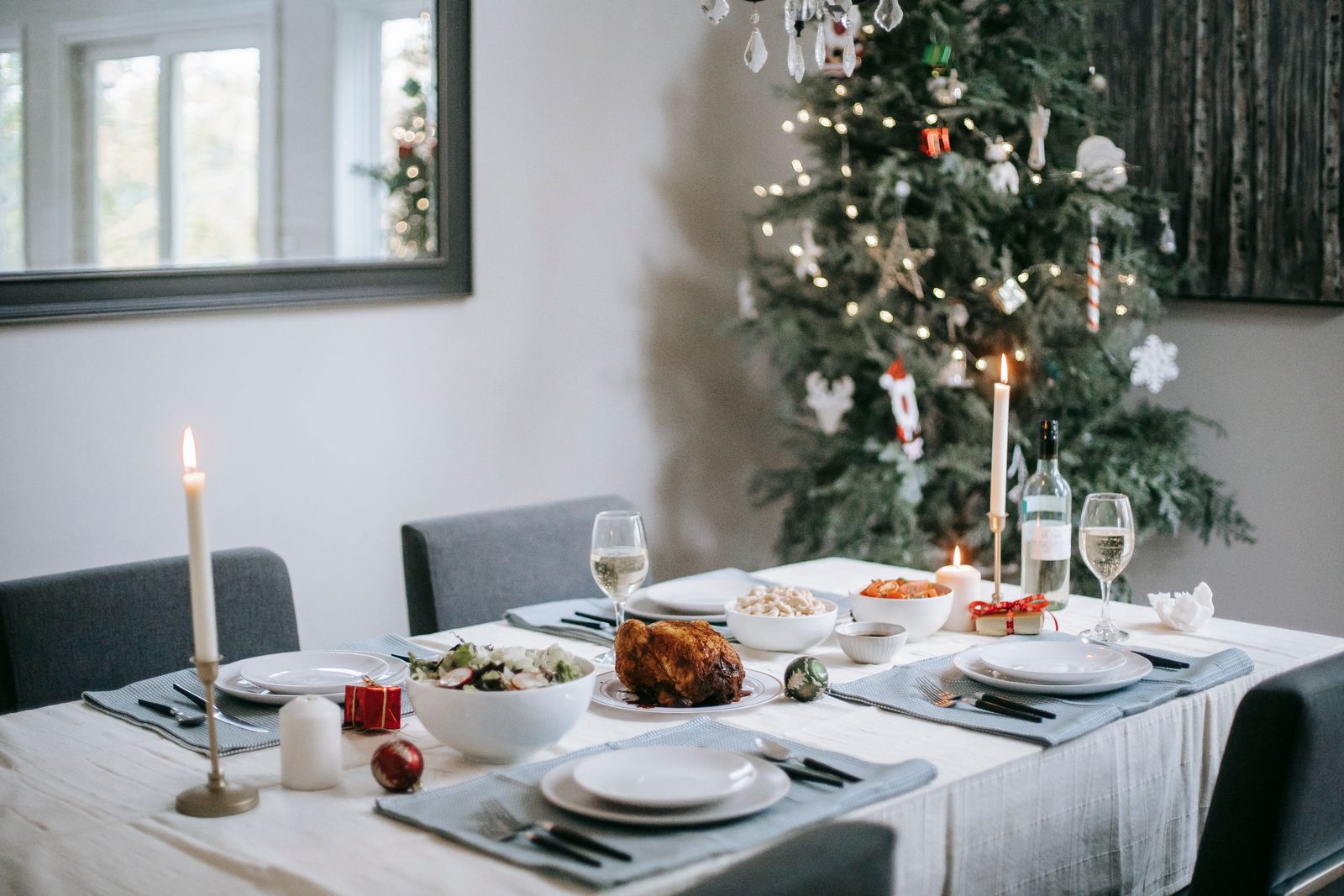
Pamamanhikan is a seated meal, not a buffet. That single decision does more work than any centerpiece. When people are seated at assigned places with their own plate, cutlery, glass, and napkin, the meal reads as formal even if the food is entirely familiar. Buffet-style undoes that instantly.
Two seating configurations that work
- Long table, mixed seating. The bride's parents at one end, the groom's parents at the other, elders next to them, the couple in the middle across from each other. This is the most common and easiest to manage conversation across.
- Round table. Better for smaller groups (six to eight). Everyone can see everyone else, which matters when the wedding conversation begins. The couple should sit next to each other, not across.
Avoid two separate tables. Avoid a kids' table. Pamamanhikan does not include the wider extended family or children by design.
Place settings that show intent
Each place should have:
- A charger or larger plate, then a dinner plate on top. Even one layer of formality reads clearly.
- A separate small bowl for sabaw or sinigang, set to the upper left.
- Spoon and fork, positioned properly. Filipino table setting places the spoon on the right and the fork on the left, tines up. This is not knife-and-fork Western setting. Get this right.
- Cloth napkin. Paper is fine for merienda; not for this meal.
- Two glasses: water and wine or juice.
Many hosts skip the charger and the second glass because "it is just family." It is not just family, not tonight. The place setting is doing quiet, formal work. For the common errors to avoid, our piece on Filipino table setting mistakes covers what most hosts get wrong.
Serving pieces at the center
The center of the table is where abundance is communicated. Use large communal bowls and platters, not small individual dishes. Acacia bowls hold their weight visually and thermally; they do not clatter, they do not slide, and they show off a braise the way ceramic often cannot. A rice server at each end of the table means no one has to pass it the length of the meal. A wide platter for the whole fish. A deep bowl for sinigang. A board for the lechon, brought out and carved in view.
The arc of the evening
The night has a shape whether you plan for it or not. Planning for it means the important conversations happen at the right moments instead of getting rushed or forgotten.
Arrival and the first drink
The first thirty to forty-five minutes are in the sala, not at the table. Drinks are poured, the pasalubong is admired, the groom's parents describe the trip in, the bride's parents ask about family who did not come. Nobody talks about the wedding yet. This is the visual meeting of the two households. Let it breathe.
Moving to the table
The bride's mother, traditionally, signals that food is ready and walks the group to the table. Elders are seated first. The lechon or centerpiece dish is already on the table or arrives within a minute of everyone sitting. Grace is said, usually by an elder from the groom's side as an act of respect to the host. Then eating begins.
The meal itself
The first twenty minutes of the meal are for the food. Do not steer conversation toward the wedding yet. Compliments on the cooking, questions about ingredients, stories about how the couple met from the parents' point of view. Let people eat and slow down. Refill dishes as they empty. A dish going empty and staying empty is a signal that the table is winding down before it should.
The turn toward the ask
Somewhere between the main dishes and dessert, the groom's father or eldest male relative present will make the formal request. In many households this is spoken plainly: they are here to ask for the bride's hand for their son, and to talk about how the two families can move forward together. The bride's father responds. The bride and groom typically say something brief. Then dessert is brought out, and the tone shifts from ritual to planning.

The plates that anchor a formal seated meal
A matched set of acacia dinner plates that hold the formality of pamamanhikan without leaning cold or ceremonial.
Shop the Chenoweth Plate Set →Dessert, coffee, and the practical talk
Dessert is when the wedding logistics conversation happens. This is why you do not rush to it. Approximate date, guest count band, whether it will be a church wedding or civil, who will contribute to what, and the beginning of ninong and ninang discussions. Nothing is finalized. But by the end of the night both families should have a shared sense of the scale and shape of what comes next. Coffee, tea, or a nightcap holds the conversation for another hour. The visitors leave when the visitors decide to leave, usually with pasalubong sent home from the bride's family in return.
From the pamamanhikan table to the wedding table
The night ends and the wedding planning begins the next morning. What you set on the pamamanhikan table quietly informs everything downstream: the reception style, the registry, the way both families will host together going forward.
The immediate follow-through
Within a week of pamamanhikan, the bride's family typically sends a thank-you message or small gift to the groom's family. Not elaborate. A note, or a jar of something home-preserved. The couple begins their own planning meetings, using what was discussed as the starting frame. If there were disagreements at the table, they get resolved between the couple first, then brought back to the parents. That order matters.
What actually gets decided that night
- An approximate date window, usually a season and year, sometimes a specific month.
- A guest count band, wide (100-150) rather than exact.
- Whether the ceremony will be church, civil, or both.
- Which family contributes to which parts of the wedding, in principle.
- An initial list of ninongs and ninangs, drawn from both sides.
What does not get decided: venue, exact date, budget line items, guest list by name, or menu. Those are for the wedding planning phase, not for pamamanhikan.
The registry and the tables that follow
Filipino couples increasingly build wedding registries not around the couple's future household in isolation, but around the couple's future hosting. The registry becomes a set of pieces the couple will use when it is their turn to host the next generation's pamamanhikan, twenty or thirty years from now. Heirloom serving pieces make sense here in a way that a single-use kitchen gadget never will. Acacia is chosen often because it survives the decades of family meals a couple is about to begin cooking together. Browse the full range of hosting pieces when the registry conversation begins.

The full hosting set for the households that host often
A complete acacia hosting collection sized for pamamanhikan, engagement lunches, and every family meal that follows.
Shop the Royal Hosting Set →Frequently Asked Questions
What is pamamanhikan?
Pamamanhikan is the traditional Filipino visit where the groom's family formally goes to the bride's family home to ask for her hand in marriage. It is centered on a shared meal and is one of the earliest steps in Filipino wedding preparation. The name comes from "panhik," meaning to climb up, referring to the visiting family ascending the bride's family's home.
Who pays for the pamamanhikan meal?
The bride's family hosts and pays for the meal. The groom's family brings substantial pasalubong: typically a whole lechon or roasted meat, regional delicacies, wine or brandy, and sometimes a bag of rice. Both sides contribute; the bride's side provides the table and the meal itself.
How many people should attend pamamanhikan?
Six to ten people is the typical range. Each side brings the parents, the couple, and one or two authoritative elders whose blessing carries weight. Ninongs, ninangs, and extended family are not usually invited to pamamanhikan itself and enter the planning process later.
What should you serve at pamamanhikan?
Serve dishes your family cooks confidently, in abundance. A slow-braised meat like adobo or kaldereta, a whole fish or seafood centerpiece, one substantial vegetable dish, a soup, plenty of rice, and dessert. Cook for one and a half times the guest count. Avoid dishes you have never made before or that require finishing at the table.
What actually gets decided at pamamanhikan?
By the end of the evening, both families should have aligned on an approximate wedding date window, a rough guest count band, whether the ceremony will be church or civil, initial thoughts on which family contributes to what, and a starting list of ninongs and ninangs. Exact numbers, venue, and detailed budget come later.
Is pamamanhikan still practiced today?
Yes. It remains widely observed across Filipino Catholic and Protestant families in the Philippines and the diaspora. Modern couples often adapt the format, with the couple already engaged before the meal or with a more blended cross-family gathering, but the core structure of the formal shared meal and the formal ask remains intact.
Do you use full formal place settings for pamamanhikan?
Yes. Individual place settings with a charger, dinner plate, separate soup bowl, cloth napkin, and two glasses are appropriate. Filipino spoon-and-fork placement is standard: spoon on the right, fork on the left, tines up. A buffet setup is not the right register for this meal.