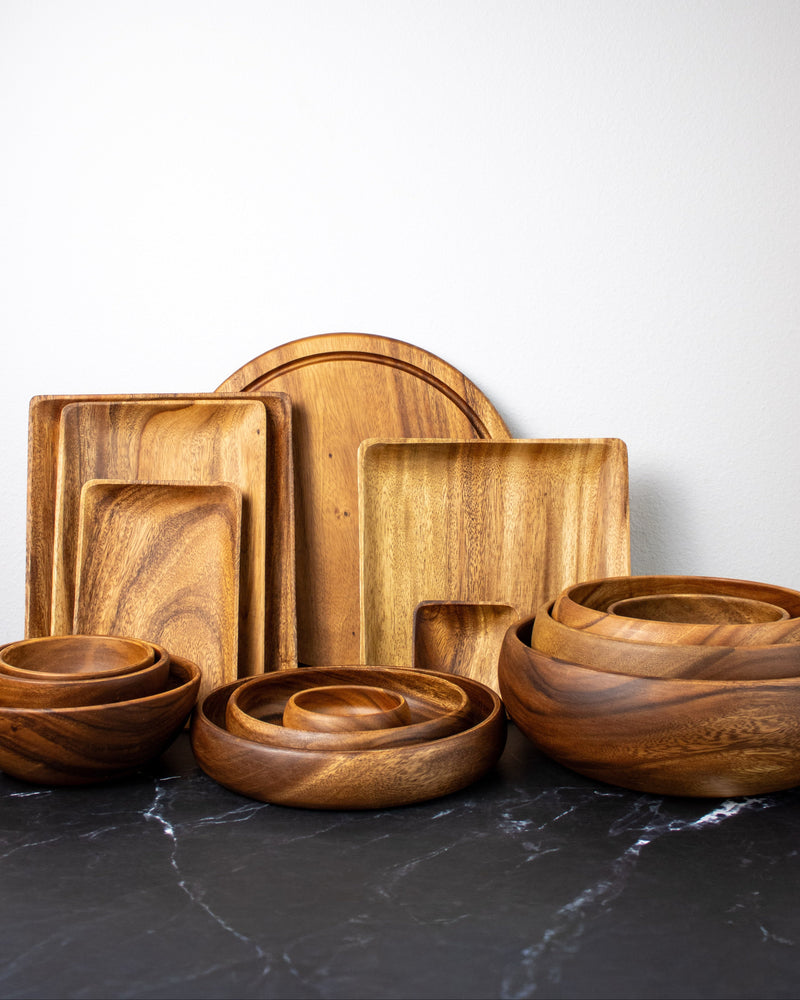
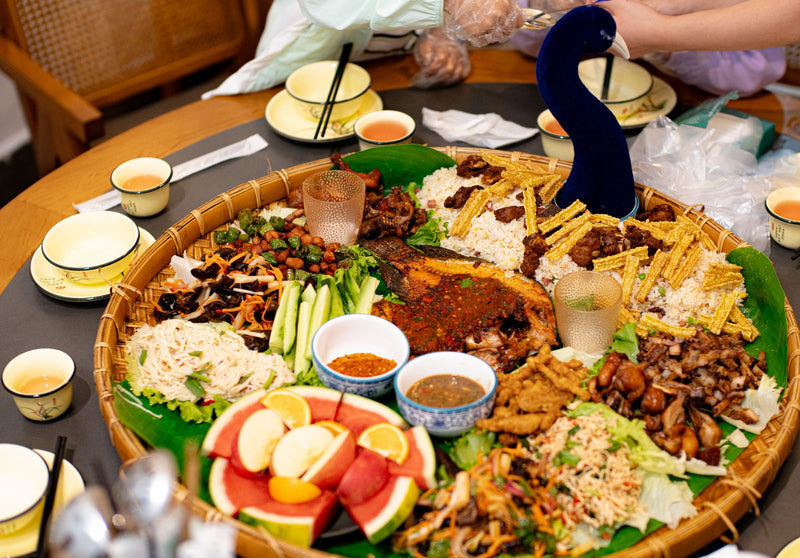
There is a moment in every Filipino household when an ordinary object stops being ordinary. A wooden spoon carries a mother's name scratched into the handle. A serving bowl has "Kasal ni Ate at Kuya, 2004" burned into the underside. A cutting board that has been in the kitchen for two decades has grandchildren's initials pressed into the corner. The object was already useful. The mark made it inherited.
Personalized engraving on Filipino heirloom pieces is not a fashionable add-on. It is an old household instinct dressed in modern tools. This guide walks through why engraving reads as heritage on solid acacia, what to actually engrave and what to leave off, how to match the piece to the occasion, the design choices that age well, and the care that keeps the mark legible for the next fifty years. It is written for anyone commissioning a piece for a family milestone, a ninong or ninang gift, a wedding, or the kind of everyday keepsake that outlives the reason it was made.
The Filipino Instinct for Marking What Matters
Before laser engravers, before customization pages, before "add your name at checkout," Filipino households were already marking their objects. A great-grandmother scratched her initials into the base of her favourite kaldero. A tita filed her monogram into a canteen set given for her wedding. A grandfather burned a date into the back of a serving board the year his first grandchild was born. None of these were design decisions. They were memory decisions, made in advance, so that in fifty years someone would still know whose it was and why it mattered.
Why lolas engraved their plates
Ask any Filipino family with a working kitchen more than two generations old and you will find engraved or scratched objects in circulation. The reason is practical before it is sentimental. Households pooled equipment for fiestas, wakes, and salu-salo. When four aunties brought their good plates to one house, the plates needed to find their way home. Initials on the base were a logistics tool. Over decades, that same initial became the piece of proof that connected an object to a person who might no longer be at the table.
What began as a way to sort borrowed plates became a household grammar. Marks meant belonging. A piece without a name was fine. A piece with a name had a story.
The difference between decoration and dedication
Decoration is what an object wears. Dedication is what it becomes. A pretty bowl with a floral pattern is decorated. A pretty bowl with "Para kay Tita Nena, 1998" burned into the underside is dedicated. The pattern comes with the piece. The dedication comes from the giver. That is a meaningful distinction because dedication is what pushes an object into the category of things a family does not throw away.
This is the reason engraved acacia reads differently than engraved metal or engraved acrylic. The material is already domestic. The mark completes the sentence the material started.
How a mark becomes an inheritance
Objects become inheritances slowly. First they are used, then they are kept aside for special occasions, then they are moved to a shelf, then eventually they get handed down. Engraving accelerates that arc because it makes the object legible to future users. A grandchild who inherits an unmarked bowl inherits a nice bowl. A grandchild who inherits a bowl with a grandparent's name and a wedding date inherits a specific piece of family history. The bowl now has a job.
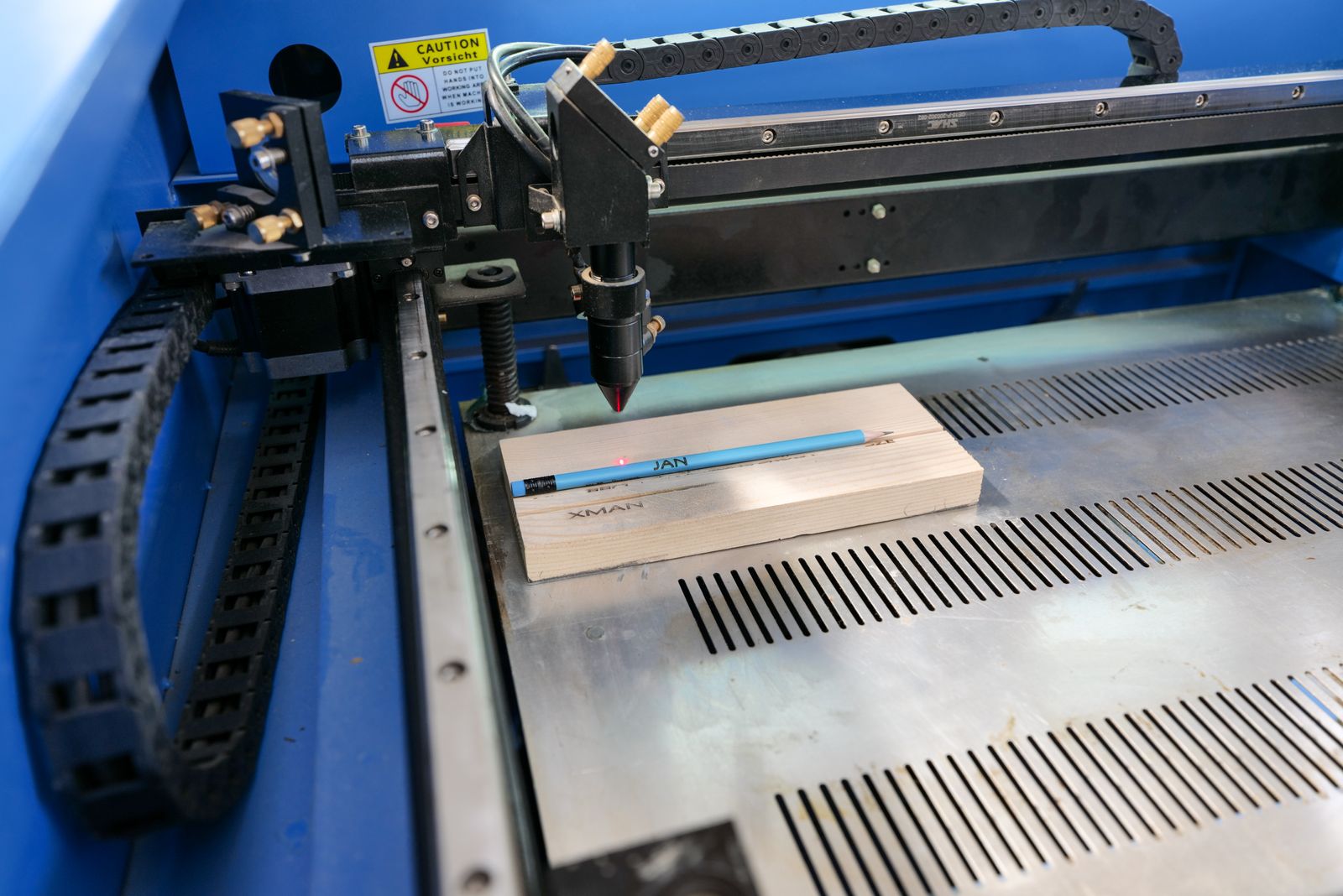
Deciding What to Engrave
The first design decision is not the font or the placement. It is the content. What text or mark actually goes onto the piece is where an engraved gift succeeds or misses, and it is the decision most senders spend the least time on. Slow down here. The words are permanent.
Names, initials, and monograms
Names are the safest content because they age well and stay meaningful even when the occasion is forgotten. A full name reads formal. A first name reads warm. Initials or a monogram read timeless. For a keepsake meant to last across generations, a family name plus a founding year is often the most durable choice. For an intimate gift between two people, a first name or nickname is more honest to the relationship.
Monograms and full names are not interchangeable. A monogram is a compact, designed mark. A name is a sentence. Our companion guide on choosing between a monogram and a full name engraving covers the tradeoffs in more depth. The short version: monograms feel formal and hold their shape at small sizes. Full names feel personal and want a little more real estate on the piece.
Dates that carry weight
Dates on a keepsake do a specific job. They pin the piece to a moment. A wedding date, a baptismal date, a founding year, a graduation year. They are how the object ages into being an artifact. But not every occasion needs a date. Everyday pieces meant for regular use rarely benefit from a date, because a date can make an object feel like it belongs to a moment rather than a life. If you are engraving a bowl meant for weekly rice service in a family home, a name is enough. If you are engraving a serving board meant to come out only for anniversaries, the date belongs on it.
Dedications in Filipino, English, or both
A short dedication turns a marked object into a message. The choice of language carries tone. Filipino dedications feel intimate and hand-written. "Para sa aming pamilya" or "Handog kay Inay" reads warmly at any Filipino table. English dedications feel more universal and travel well when the recipient's household is mixed or overseas. Bilingual dedications, when done well, sit at the sweet spot: a Filipino phrase paired with an English gloss can be exactly the touch that gets a piece treasured rather than shelved.
Whatever the language, keep dedications short. Two lines maximum, one thought per line. Long inscriptions compete with the wood and end up feeling like a caption on a photograph. The object is the message. The words are the address.
When less is more
The most common engraving mistake is adding too much. A name, a date, a dedication, a location, a signature, and a nickname all crammed onto the underside of a bowl is not more meaningful, it is more crowded. Restraint reads as confidence. If you find yourself trying to fit all of it, choose the two elements that will still matter in thirty years and let the others go. Usually that is a name plus a year, or a name plus a short dedication. Rarely more.

Add custom engraving to any Dalisay piece
Names, initials, dates, or a short dedication. Turn any acacia bowl or board into a specific piece, addressed to a specific hand.
Shop Custom Engraving →Matching the Piece to the Occasion
An engraving is only as good as the piece it sits on. A beautifully lettered dedication burned into the wrong object never quite lands. The order of decisions is: choose the occasion, choose the piece, then choose the engraving. Reversing that order is how gifts end up feeling generic even when the words are personal.
Weddings and anniversaries
Weddings are the classic engraved-heirloom moment in Filipino households. The couple is starting a table. The gift you give will sit on that table for years, and the engraving will hold the wedding date long after the invitations are recycled. Large serving pieces, hosting sets, or a signature bowl for the family's future boodle fights are the right register. The engraving formula that ages best is the couple's shared surname or first names plus the wedding year. Skip the guest list. Skip the venue. Neither will matter in fifteen years the way the two names and the year will.
For anniversary gifts, the same logic applies but shifted. The couple already has the pieces from their wedding. The anniversary gift can be either a matching addition to that set or a stand-alone piece that acknowledges the milestone. Engrave the anniversary year, not the wedding year, so the piece is legible as the addition it is.
Baptisms and binyag milestones
A binyag gift from a ninong or ninang is one of the most under-considered engraving opportunities in Filipino life. A baptismal spoon or a small serving bowl with the child's full name and baptismal date sits in the household for decades and eventually gets handed to the child when they set up their own home. Our longer piece on inaanak baptism gift ideas covers the piece-selection logic in detail. The engraving convention is settled: the child's full name and the year, sometimes accompanied by the ninong or ninang's short blessing. Keep it short enough that the child, twenty-five years later, can read it in one glance.
Housewarmings and pasalubong
A housewarming gift is a piece the recipient will actually use. Engraving in this context leans warm rather than formal. A family surname, a house name, or a short dedication like "Sa inyong bagong tahanan" reads well. Skip the date unless the recipient specifically frames the housewarming as a milestone worth pinning. For pasalubong, engraving is often unnecessary; the piece itself carries the message. If you do engrave, keep it to a single line, first name only.
Everyday keepsakes
Not every engraved piece marks an occasion. Some are made for the ordinary reason of wanting a specific bowl to belong to a specific person in a specific kitchen. This is where a first name or a nickname carved into the base of a personal rice bowl or coffee scoop lands beautifully. It is small, private, and reads like a favourite mug rather than a ceremonial object. These pieces get used the most, and often outlive the occasion-marked pieces on the shelf.
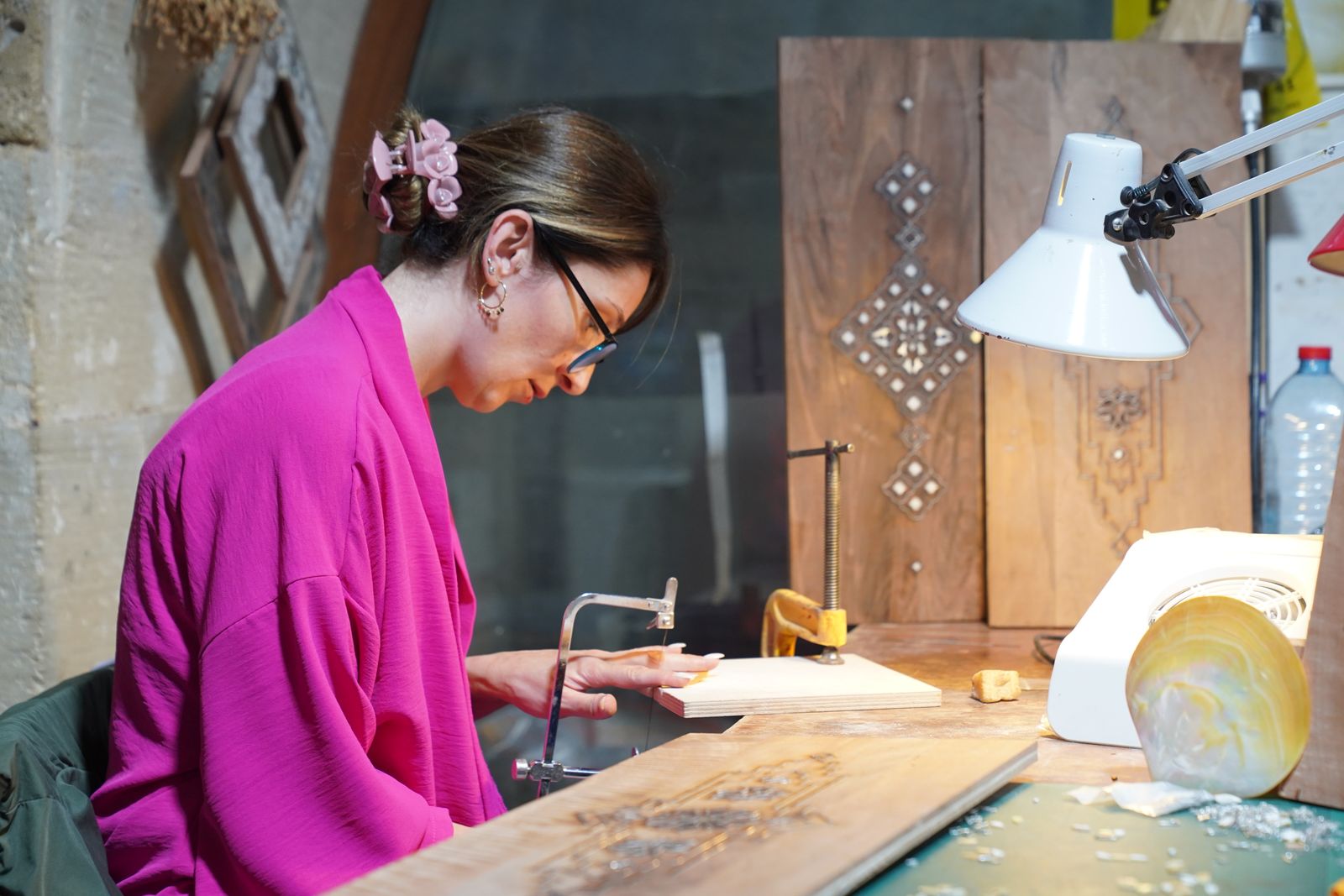
Design Choices That Age Well
Engraving decisions that look good today do not always look good in twenty years. The pieces that age well share a small set of design characteristics: restrained typography, appropriate placement, correct depth, and a proportional relationship to the piece they sit on. Get these right and the engraving will still read cleanly when the recipient's grandchild is washing the bowl.
Typography that reads across decades
Trendy typefaces date fast. Classical typefaces age slowly. For heirloom engraving, favour typefaces that would have looked at home on a printed invitation in 1960 and would still look at home in 2060. Serif faces in the Garamond or Bodoni families, clean sans-serif faces with modest letterforms, and traditional script faces used sparingly all age well. Ultra-modern display faces, novelty scripts, and highly compressed grotesques age quickly and can make a piece feel dated before the recipient has finished unwrapping it.
Weight matters too. Very thin strokes can lose definition when engraved, particularly at small sizes, because the burn line has a minimum width the design cannot go below. If your dedication needs to be small, choose a medium-weight face rather than a thin one, and it will still be legible in two decades.
Placement: front, back, or underside
Where the engraving sits on the piece is a decision about how loudly the mark speaks. Front placement, on the visible serving surface, is a bold choice. It says the engraving is the point of the piece. Back or underside placement is quieter. It says the piece is the point, and the mark is a note left for whoever turns it over.
For heirloom pieces meant for regular use, back or underside placement is almost always the right call. The engraving is preserved because it is not exposed to knives, cutting, or plate contact. The recipient sees it when they wash the piece, when they turn it to put it away, when they eventually pass it on. That quiet visibility is exactly the register an heirloom mark should have.
Depth and legibility
Engraving depth on acacia is a balance. Too shallow and the mark fades over years of washing and oiling. Too deep and the mark starts to compromise the structural feel of the piece, particularly on thinner pieces like plates or scoops. A moderate depth that catches shadow cleanly is what you want. This is the kind of detail that only becomes visible on a physical sample, which is why sampling before running a full batch is worth the extra week it takes.
Restraint as the design principle
If there is one governing rule for engraving that ages well, it is restraint. Fewer elements. Smaller marks. Quieter placement. The confident engraving does not announce itself from across the room. It waits to be found. That waiting is what makes the object feel like a keepsake rather than a souvenir. The same instinct applies whether the piece is a personal keepsake or a corporate gift for clients, where the same restraint separates a considered piece from a branded one.

The Gorosin bowl as a keepsake canvas
Deep, heavy, and grained for engraving. The Gorosin base takes a name and a date without competing with the wood.
Shop the Gorosin Bowl Set →Care That Keeps the Engraving Legible
An engraved piece is not more fragile than an unengraved one, but the engraved area is where care shows first. The recessed lines of the mark hold moisture, dry unevenly, and can look tired sooner than the surrounding wood if the piece is neglected. The routine that keeps an heirloom engraving legible is the same routine that keeps any solid acacia piece looking well, applied a little more attentively at the mark.
Oiling the engraved area
Food-safe mineral oil or a mineral oil and beeswax blend is the standard for solid acacia. The FDA recognizes food-grade mineral oil as safe for direct food contact, which is why it is the working conditioner across most heritage wooden tableware. Apply the oil across the entire piece as you would normally, and pay particular attention to the engraved area. Work a thin layer into the recessed lines with a soft cloth or your fingertip and let the piece rest overnight before wiping any excess.
Frequency depends on use. A piece in regular rotation should be oiled monthly. A piece brought out only for occasions can be oiled twice a year. The engraved area does not need special oil, it just needs the standard oil applied with a little more patience.
Cleaning without erasing
Handwashing with mild soap and warm water is the correct cleaning method for engraved acacia. The USDA advises against submerging or dishwasher-treating solid wood tableware because prolonged water exposure warps the wood and can raise the grain around any engraved area, which over time makes the mark look fuzzy rather than crisp. Wipe the piece dry immediately after washing. Do not leave it to air-dry face down on a rack, and never let water pool in the engraved recesses.
Abrasive pads, harsh detergents, and bleach are all off the table. They strip the oil, dry the wood, and can lift fibres around the engraved area. A soft sponge and mild dish soap is all the piece needs, applied gently and quickly.
What ages well and what wears
What ages well: engravings placed on the back or underside, in medium depth, on well-oiled acacia. These marks develop a subtle patina over the years and often look better at ten years than they did at one. What wears: engravings placed on cutting surfaces, in shallow depth, on pieces that are washed frequently and rarely oiled. These marks fade, blur, and eventually need to be re-engraved to stay legible.
Sending a piece as a gift without a short care note is a missed step, particularly for recipients who do not habitually own solid wooden tableware. A small folded card with the oiling routine tucked into the packaging is enough to keep the piece healthy for the first year, which is the window during which most engraved pieces get their care habits set.
The Ordering Process: From Idea to Delivered Piece
Ordering a personalized heirloom piece is not complicated, but it does have a natural sequence. Compressing that sequence is the reason most orders that go wrong go wrong. The steps below apply to a single keepsake as much as they apply to a set.
Timing your order
Engraved orders take longer than unengraved orders because each piece is set up individually and no piece leaves the workshop without a visual check. As a working assumption, plan on two to four weeks from confirmed artwork to delivery-ready for a small keepsake order, and longer for a bulk order or during the Q4 window from October to mid-December when every workshop in the country is running seasonal demand. Order early. Rush is sometimes possible for logo-only or single-line orders, rarely possible for anything with individual name personalisation.
Preparing the artwork or text
For text engraving, send the exact spelling, punctuation, and line breaks you want, in writing. Even a single misplaced accent or a missing "ng" can change the meaning of a Filipino dedication. Approve the text in writing rather than on a call. For monograms or logos, vector files (SVG, AI, PDF) are strongly preferred because they scale cleanly to engraving size without losing edge quality. Raster files (JPG, PNG) sometimes need a preparation step, which can add a day or two.
Sample first, batch second
For any order beyond a single piece, order one physical sample before committing the full batch. Look at the sample in real light. Feel the depth with a finger. Read the dedication aloud. Show it to somebody who has not been part of the planning. This is the single most valuable step in the whole workflow and the one most often skipped when the deadline is tight. A mistake spotted on the sample is a note. A mistake spotted on the batch is a rework.
When to ask for help
If you are unsure about the wording, the placement, the language, or the piece, ask before you order. Engraving is permanent and the wood is expensive. A ten-minute conversation about "should this say kay or para kay" costs nothing. Reordering a piece because the dedication reads awkwardly to the recipient's household costs the piece. Workshops that specialize in Filipino heirloom engraving expect the conversation and are usually glad to have it.

The Ina plate set as a family keepsake
Named for a mother's place at the table. Six matched plates engrave beautifully on the base and hold their finish across daily use.
Shop the Ina Plate Set →Frequently Asked Questions
What should I actually engrave on a Filipino heirloom piece?
The most durable formula is a name plus a year, or a name plus a short dedication. Full name for formal pieces, first name for intimate ones, initials or a monogram for pieces you want to feel timeless. Keep dedications to two lines maximum. Long inscriptions compete with the wood and rarely age well.
Is it better to engrave a name, a monogram, or both?
It depends on the piece and the register you want. A monogram is compact, formal, and holds its shape at small sizes. A full name is warmer, more personal, and needs a little more room. Combined marks, such as a monogram on the front and a name and date on the back, work for larger pieces where both quiet elegance and specific identity matter.
Will the engraving fade over time?
A properly engraved acacia piece, oiled regularly and washed by hand, keeps its mark legible for decades. Fading happens when the piece is stored dry without oiling, washed in a dishwasher, or engraved too shallowly to survive normal wear. A moderate engraving depth on the back or underside, combined with a monthly oiling routine, is what keeps the mark crisp across generations.
Can I engrave a dedication in Filipino?
Yes, and it is often the touch that makes the piece feel most personal. Short Filipino dedications like "Para kay Inay," "Handog sa aming pamilya," or "Sa inyong bagong tahanan" read warmly at any Filipino table. Confirm the exact spelling and any accents in writing before the piece is engraved, because Filipino dedications are permanent and small errors change the meaning.
How long does a personalized engraving order take?
Plan on two to four weeks from confirmed artwork to a delivery-ready single keepsake, and longer for larger batches or during the Q4 seasonal window. Rush timelines are sometimes possible for single-line or logo-only orders, but individual name personalization is rarely rushable because each piece is set up separately.
Do engraved pieces need special care?
No special care, just attentive standard care. Handwash with mild soap and warm water, dry immediately, and oil the piece monthly with food-safe mineral oil, working a thin layer into the engraved lines. Skip the dishwasher, skip prolonged soaking, and skip abrasive pads. That routine keeps the engraving legible for the life of the piece.
Can I engrave a piece I have already bought?
Sometimes, though the reliable route is to order the piece and the engraving together so the workshop can confirm the placement and depth against the specific piece. Retrofitting engraving onto a piece that has already been in use is possible for pieces in good condition but requires the piece to be re-oiled and rested before use again.