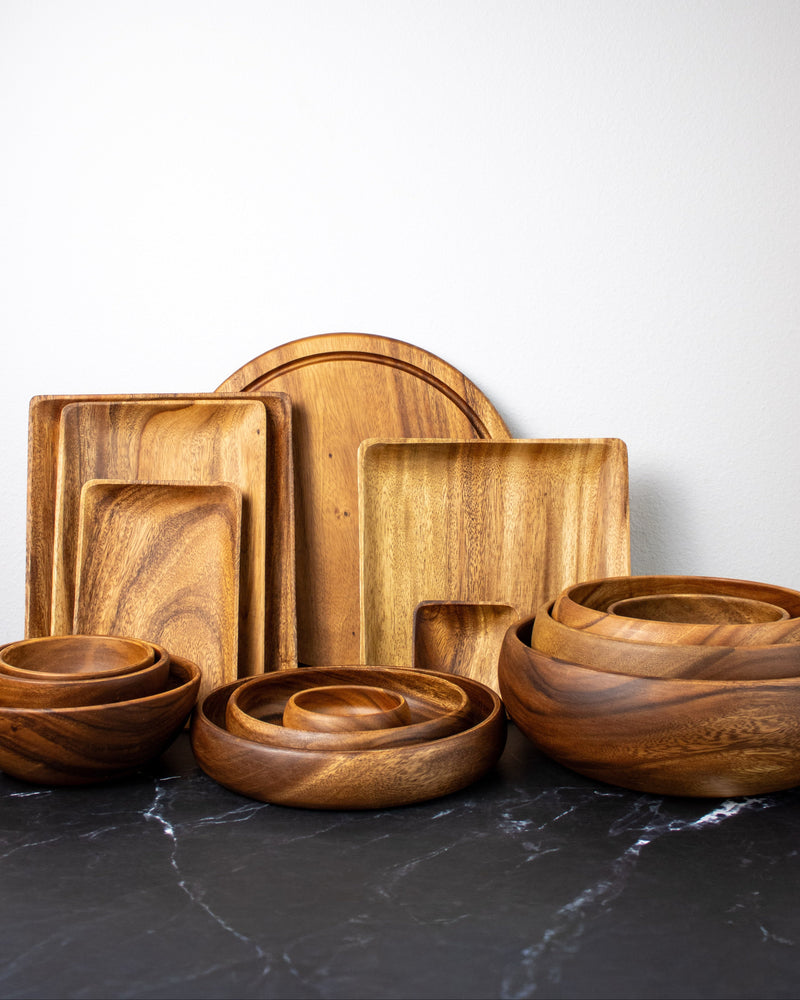
A corporate gift is only ever as specific as the marks it carries. The bowl on its own is a bowl. The bowl with your logo tucked into the underside, or with the recipient's name inlaid across the back edge, becomes an object with an address on it. That is what engraving buys you: the difference between "we sent everyone something nice" and "we sent this one to you." For Filipino corporate programs, where relationships are the actual product being tended, that difference lands harder than most senders realize.
This guide is written for B2B decision-makers commissioning engraved gifts for clients, partners, board members, and long-tenure employees. It covers what heritage engraving actually means on acacia, how to match the piece to the recipient tier, the workflow from first brief to delivered pieces, the ordering math (minimums, lead times, how pricing is structured), the packaging and shipping considerations, and the cultural framing that determines whether the piece reads as a keepsake or a corporate leftover.
What Heritage Engraving Actually Means
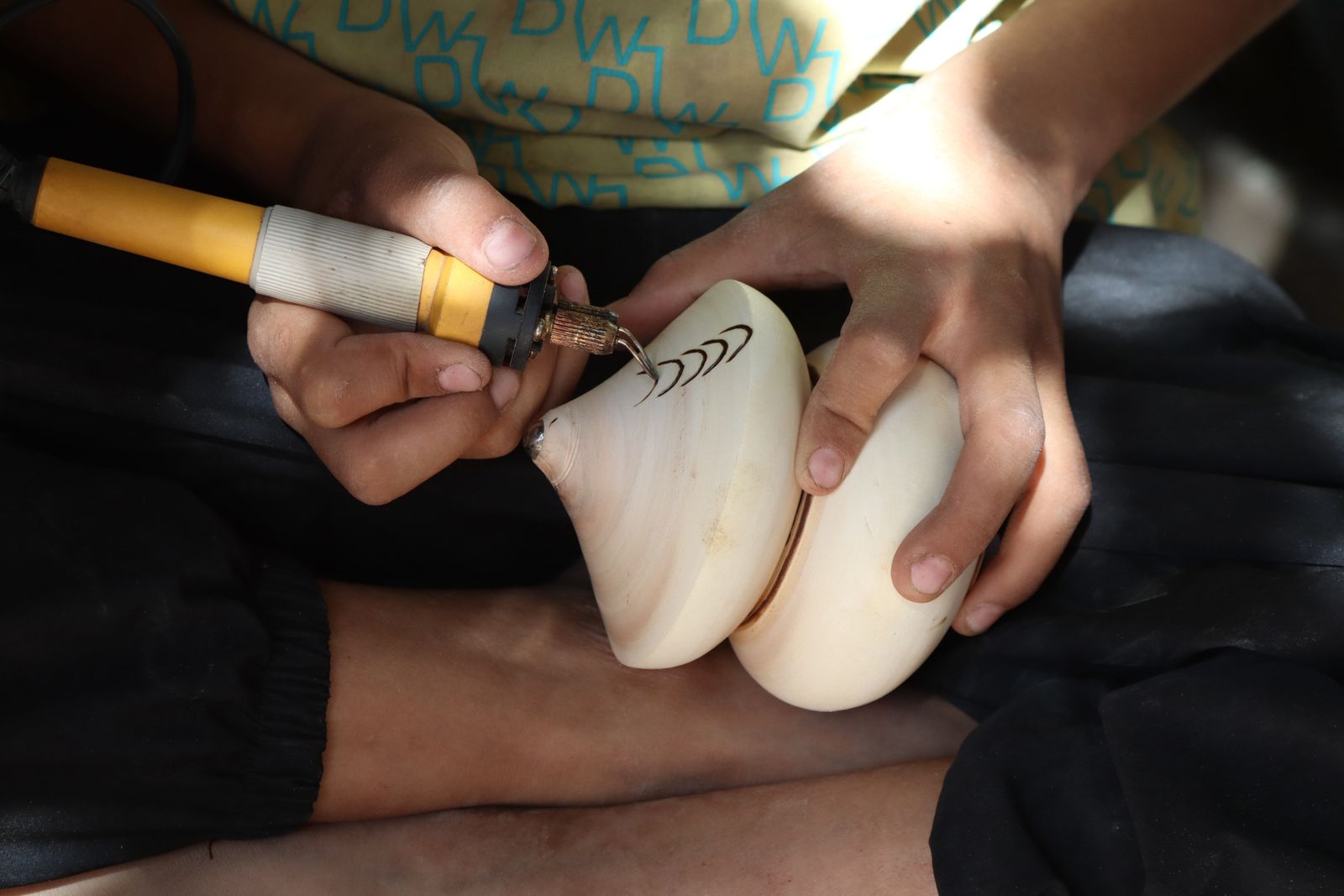
The word "engraving" in a corporate context usually means one of two things. On plastic tumblers and metal keychains, it means a laser mark that reads as branding, cheap and repeatable and gone from memory a week later. On solid acacia, it means something closer to what a woodcarver does with a chisel: a permanent mark burned into a piece that will outlive the campaign it was made for. Same word, different objects, different outcomes.
Engraving as a mark, not a label
A label sits on the surface of an object. It tells you where the object came from. It can be peeled off, worn off, or ignored. A mark, by contrast, becomes part of the object. Engraving on hardwood is a mark. The recipient cannot separate the logo from the bowl or the name from the board, because the wood has been changed. That permanence is what pushes the piece into heirloom territory. It is also what makes the design choices load-bearing. A mistake on a label is embarrassing. A mistake burned into acacia is expensive.
The corollary matters: because the mark is permanent, restraint reads as confidence. A discreet logo tucked underneath the piece communicates more brand strength than a large logo across the serving surface. The recipient is trusted to know who sent it. That trust is felt.
Why the material carries the meaning
Engraving works on acacia in a way it does not on softer or paler woods. The grain on solid acacia carries dark honey tones and swirling figure, and the burn from a laser or a hand tool settles into those tones cleanly rather than sitting on top of them. The mark looks like it grew out of the wood rather than being pressed into it. That optical effect is what makes engraved acacia read as craft rather than as decoration.
The material also carries geography. Acacia grown and worked in the Philippines has a specific look, a specific density, and a specific relationship to Filipino tables. When a recipient runs a hand across an engraved board and feels the weight and grain, they are already reading half the message before they read the words. This is the reason a modest acacia bowl with a name on it can feel weightier than an expensive branded item made of extruded resin. The material was already communicating.
The Filipino heirloom instinct
Filipino households mark things. The old plates in a lola's kitchen carry initials scratched into their bases. Silverware in a family's canteen set has monograms filed in decades ago. Wedding gifts get dated. Baptismal spoons get named. This is not a design trend, it is a household instinct: what matters gets labelled so that in fifty years, someone will still know whose it was.
Corporate engraving in this cultural context reads correctly. The recipient does not perceive the mark as marketing. They perceive it as the sender opting into the same instinct that runs through their own family kitchen. That is a very different relationship than a branded tumbler creates, and it is the actual asset the engraving is buying.
Choosing the Right Piece for Each Client Tier
Not every client sits on the same rung. The engraving strategy has to follow the tier, because the same mark on the wrong piece can read as either overreach or undershoot. Sort the list before you shop, and let each tier drive its own piece selection.
Tier one: first-touch and mid-account clients
These are clients you have worked with for a season or two, or new accounts you are opening the relationship with. The gift needs to be present without being presumptuous. A small serving bowl or a mini hosting set with a discreet logo engraved into the underside is the right register. The recipient uses the piece, sees the mark when they wash it, and keeps the association without being asked to display your brand on their table.
Skip recipient-name engraving at this tier. You do not yet know the household well enough to name-personalise without it feeling like a database export. The piece itself, plus a subtle sender mark, is the correct volume.
Tier two: long-term clients and key partners
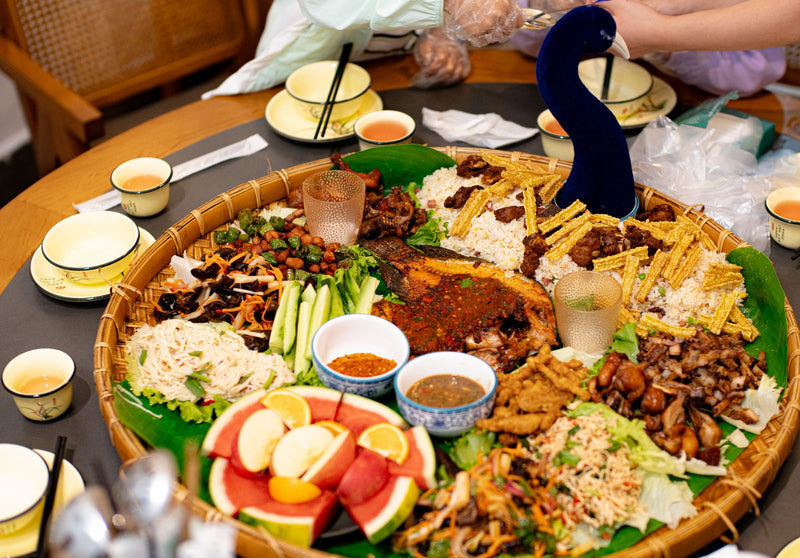
Here the relationship has weight. The client has renewed, referred, or expanded, and the gift should acknowledge that. A larger serving board, a full hosting bowl, or a piece suited for kamayan and boodle fight setups belongs in this tier. Engraving-wise, this is where combined marking pays off: a small sender logo on one edge, a recipient name or family name on the reverse, sometimes a year.
The dedication should be legible without being loud. Two lines maximum. A short "Salamat sa inyong tiwala" beneath a name reads warmly on a Filipino table and does not require translation for the household to understand. For overseas partners, English is safer, but a Filipino phrase can be exactly the touch that makes the piece photograph-worthy.
Tier three: board members, C-suite, and legacy accounts
Executive-tier gifts should not look like they came from the same batch as anything else. Large serving pieces, full hosting sets, or one-off custom pieces belong here. The engraving is the point, not the decoration: the recipient's full name, the year, a personal dedication written by someone senior at the sending company. This is not the tier for logos. The gift is announcing that the recipient is personally important to the future of the business, and a company logo across that message dilutes it.
A useful test: if the gift could be handed to any other tier-three recipient with only the name swapped, it is not tier three. Real executive gifting reads as unrepeatable. That may mean choosing pieces individually rather than as a batch, and it definitely means longer lead times.
A note on employees and internal recognition
Employee gifting is not always in scope for a gifts-for-clients program, but it often shares the same production run. If your engraved order is going to include employee milestones alongside client pieces, keep the tiers visually distinct. Employees tend to appreciate their own name engraved plus a modest company mark and a year. Clients tend to appreciate the reverse: the sender's presence subordinated to the recipient's use. Same engraving service, opposite emphasis. Do not let the two tiers blur into a single template.
The Brief-to-Delivery Process
The most common reason a corporate engraving program disappoints is not the engraving, it is the process. Somebody skipped a step, or ran two steps in parallel that should have been sequential, and the whole batch inherited the compression. The steps below are simple. The discipline is in doing them in order.
Step 1: The brief
Before any artwork changes hands, write the brief. A workable brief includes: the delivery date, the recipient headcount, the tier breakdown, the intended piece for each tier, the engraving mode (logo, name, combined), the language of any dedication, the packaging spec, the shipping destinations, and the budget frame. Send this in one document rather than five emails. It becomes the reference point every subsequent step is checked against.
If any part of the brief is uncertain, name the uncertainty explicitly rather than leaving it blank. "Headcount is 40 to 50, will confirm by the fifteenth" is much easier to plan against than a silent field that turns into a rush later.
Step 2: Artwork approval
Artwork means the exact file that will drive the engraving: logo, typeface, dedication text, layout, size, and placement on each piece. Approved artwork should be sign-off ready, not "close enough." Vector files are preferred because raster logos degrade at engraving scale. Fonts should be embedded or outlined so the file renders identically on every machine.
Approve artwork in writing. A verbal "looks good" over a call is not enough when the mark is permanent and the batch is 60 pieces. This is the step where mistakes are cheapest to fix, and it is worth spending an extra day here to save a week later.
Step 3: The sample
Order one piece with the exact engraving spec, on the exact material, in the exact packaging you plan to use. Look at it in real light, not on a screen. Show it to a stakeholder who has not been in the planning conversations. Sample first, order in full second. This is the single most valuable step in the whole workflow, and it is the one most often skipped when the calendar is tight.
Things that only become visible on a physical sample: how the engraving depth reads against the specific piece of wood used, how the font weight actually renders at that size, how the packaging protects the engraved area during shipping, and whether the tone of the dedication feels right in the hand. Any of these can be revised before the full batch runs. None can be revised after.
Step 4: Production
Once the sample is approved, production runs. For logo-only batches with a single artwork file, this is fast. For name batches where each piece is unique, production takes longer because each engraving job is set up individually. During this window, avoid list changes. Adding three names on day seven of a two-week production run means either a rush charge or a delivery slip.
Ask for a production update at the midpoint. Not because you expect problems, but because it forces the workshop to spot any that have started to appear before the deadline gets tight.
Step 5: Packaging and dispatch
The final step is packaging and dispatch, and it is where a smooth production run can still stumble. Confirm packaging spec, gift note wording, and shipping destinations before pieces come off the engraving bench. Consolidated shipping to one address is straightforward. Split shipping to fifty recipient addresses is a project of its own, and the address list needs to be validated in advance. The packaging chapter below covers the specifics.

Add engraving to any corporate order
Logo, recipient name, or combined. This is the B2B differentiator that turns a nice acacia piece into a specific one, addressed to a specific hand.
Shop Custom Engraving →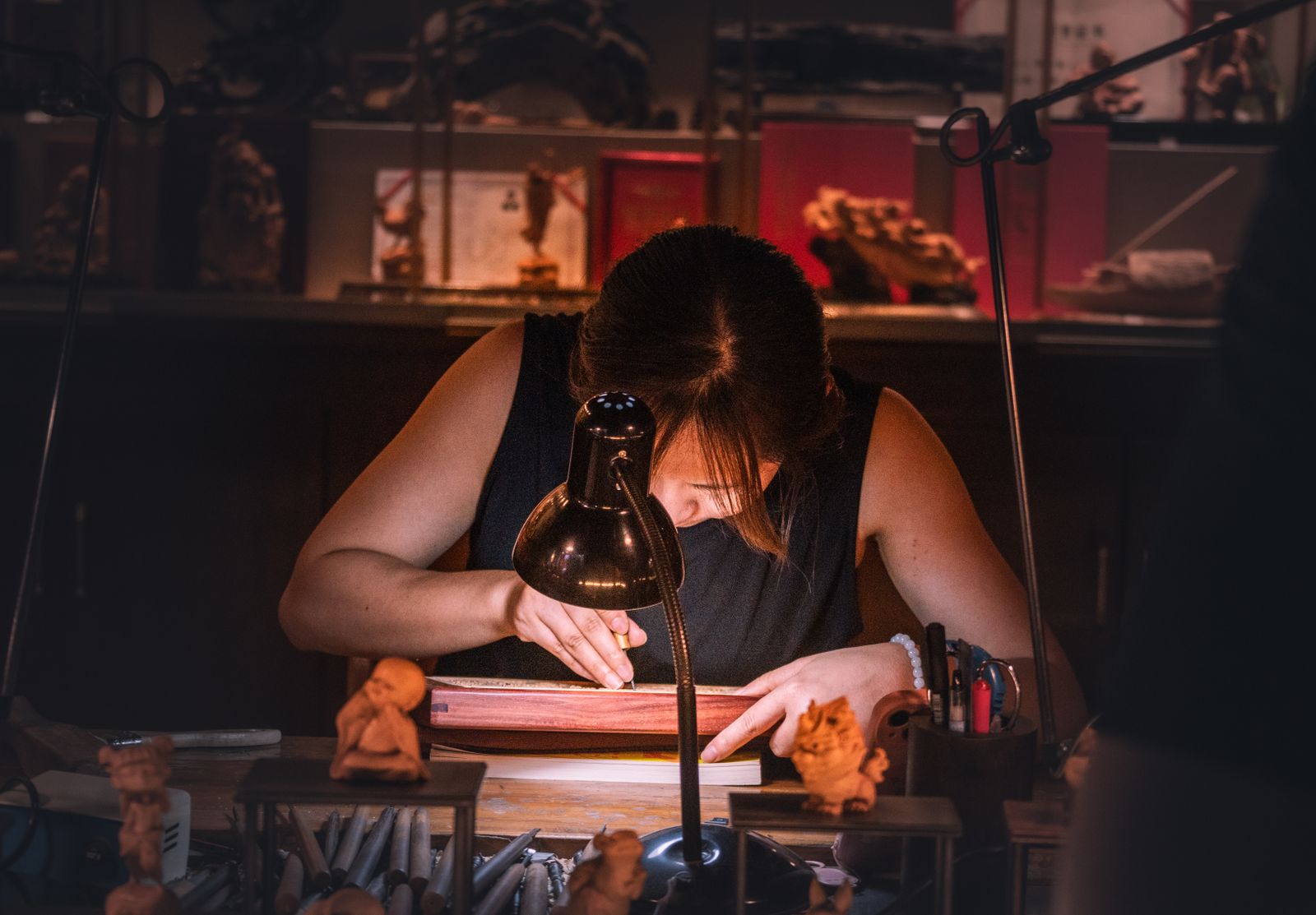
Minimums, Lead Times, and How Pricing Works
This is the chapter every B2B buyer flips to first. The honest answer to most of these questions is "it depends," but "it depends" is not useful for planning. What follows are working ranges you can plan against, with a note on the levers that push each one up or down. Confirm current specifics with our team before you commit an external deadline or a board-facing budget.
Minimum order thinking
Rather than a single minimum number, think in bands. Each band has its own economics and its own use case.
- Small batch (roughly 10 to 24 pieces). Executive gifting, board members, tight client shortlists. Highest per-unit cost, greatest engraving flexibility, shortest production window once artwork is approved.
- Mid batch (roughly 25 to 49 pieces). Departmental gifting, key partner list, mid-tier client appreciation. Balanced per-unit cost, still allows recipient-name engraving without breaking the timeline.
- Large batch (roughly 50 to 99 pieces). Company-wide programs, mid-size client rollouts. Per-unit cost improves, individual name engraving still possible with a longer window, sampling becomes non-negotiable.
- Full program (100 pieces and above). Yearly recognition rounds, major campaigns, multi-tier programs. Best economics, longest lead times, and where the process discipline in the previous chapter earns its keep.
The band should follow the recipient logic, not the other way around. If your list is 32 people, do not force it to 50 for the price break. A gift chosen against the wrong list is more expensive than a right gift at a higher unit cost.
Realistic lead times
For engraved corporate orders, plan in weeks, not days. As a working assumption, budget three to six weeks from confirmed artwork to delivery-ready pieces. Small logo-only batches sit toward the lower end. Large name-personalised batches with custom packaging sit toward the upper end. Q4, from October through mid-December, runs longer because every workshop in the country is running the same seasonal calendar. Add a week if you are ordering in that window.
The two levers that shorten a timeline are early artwork approval and early payment confirmation. The two levers that stretch a timeline are late name-list changes and last-minute packaging additions. Lock artwork first, list second, packaging third.
How pricing is structured
Pricing for an engraved corporate order is layered. It helps to see the layers separately even if the final quote comes in as a single number.
- The piece. The base cost of the acacia bowl, board, or set, at the quantity band you are ordering.
- The engraving. Per-piece, adjusted for whether the batch is logo-only, name-personalised, or combined. Name-personalised is higher per unit because each piece is set up individually.
- The artwork. One-time cost if we need to prepare or clean up the file. Vector logos ready to engrave typically avoid this. Complex logos or hand-lettered dedications may incur it.
- The packaging. Standard corporate presentation (fitted inner, wrap, card) versus branded outer sleeves, custom stickers, and dedication cards.
- Shipping. Domestic consolidated versus split, and international if applicable. Acacia is dense, so weight-based rates matter.
Ask for pricing broken out by layer at the quotation stage. It makes it easier to trade one lever against another if the total does not fit the budget frame. Often the piece and engraving are fixed, and the flex sits in packaging and shipping.
When rush is possible (and when it is not)
Rush is sometimes possible for small batches with logo-only engraving and standard packaging, especially outside Q4. Rush is almost never possible for large name-personalised batches with custom packaging, because the setup time per piece is the constraint and there is no shortcut around it. The most reliable rush strategy is not to need one: start the brief the moment the delivery date is agreed, not the moment somebody remembers the gift line item exists.

A ready starting point for entry-tier client engraving
The mini hosting set holds its shape across a broad client list and engraves cleanly on the base for a discreet, presentable mark.
Shop the Mini Hosting Set →Packaging, Shipping, and Getting It There Intact
An engraved acacia piece is a durable object. The packaging it travels in usually is not. This is where corporate gifting programs stumble, because the piece survives, the box arrives dented, and the recipient's first impression is the dent. Solve packaging and shipping deliberately, not as an afterthought.
The presentation layer
Standard corporate presentation is a fitted inner protector, a wrap that is nice to open, and a card or note. This is the layer the recipient sees. It should be simple, clean, and readable at a glance: neutral kraft or muted colour, the recipient's name legible, no clutter of extra inserts. If the piece is engraved with a dedication, the packaging should complement that dedication rather than compete with it. A branded sleeve is fine. A branded sleeve wrapped over a branded box tied with a branded ribbon is too much.
The shipping layer
Underneath the presentation layer sits the shipping layer, which the recipient never sees but which does the actual protective work. For gifts handed out at an event, presentation packaging alone is often enough because the pieces are moved once and carried by hand. For gifts shipped directly to recipients, an outer shipper is non-negotiable. Acacia is heavy, and a box of engraved boards will get thrown, dropped, and stacked on the way to the recipient's address. Design the outer shipper to take that beating so the inner presentation arrives unbruised.
Consolidated versus split shipping
Consolidated shipping delivers the full order to one address (usually the sending company's office) for redistribution. Split shipping delivers individual pieces directly to each recipient's address. Both are common, both work, and the choice has downstream consequences.
- Consolidated shipping is cheaper, faster to organise, and gives the sender a chance to inspect the batch before it goes to recipients. It requires an internal team to handle redistribution, which is fine at scale.
- Split shipping saves the sender's team from a fulfilment project and is essential for programs where recipients are spread across cities or countries. It requires a validated address list well before dispatch and adds per-shipment charges that need to sit in the budget.
Choose the model early. Switching from consolidated to split mid-production means the packaging spec needs to change, because the outer shipper for a bulk delivery is not the same as the outer shipper for 40 individual deliveries.
Shipping abroad: what actually applies
International shipping of wooden goods sounds more complicated than it usually is. Finished, treated tableware is generally accepted into most destinations. Where it gets specific is at the paperwork layer. ISPM 15 is the international standard governing wood packaging material used in trade, administered by the International Plant Protection Convention. It applies to raw wood packaging such as crates and pallets rather than to finished tableware itself, but if your bulk shipment is being palletised for freight, the pallet needs to be ISPM 15 compliant. Some destinations may also require phytosanitary documentation depending on how the tableware is classified.
The reliable move is to ask the courier or freight forwarder for a written confirmation of what applies to your specific destination and packing method, and to keep a copy of any export documentation with the shipment. If your program includes multiple overseas destinations, plan them country by country. "Ship to abroad" is not a real destination.
Domestic shipping considerations
Domestic shipping within the Philippines is straightforward through the standard courier networks, with one repeated caveat: acacia is dense, and weight-based rates add up quickly on larger boards. A single small bowl ships cheaply. A crate of 40 large serving boards has a very different rate card. Consolidate where possible, and get a shipping quote at the point where you get an engraving quote, not later.
The Cultural Frame: Why Engraving Reads Differently Here
A generic B2B engraving guide can be written entirely in production terms: turnaround, per-unit cost, artwork specs. That guide would be true but incomplete for the Filipino context. Engraved corporate gifts land inside a specific cultural instinct, and if the program does not respect that instinct, the pieces feel off no matter how technically well made they are.
The pasalubong logic in business relationships
Filipino corporate gifting inherits the pasalubong instinct: what you carry to someone should feel chosen for them, not distributed to a list they happened to be on. Engraving is the mechanical operation that lets a distributed list still feel individually chosen. A name on the underside of a bowl is what the recipient's eye lands on when they turn the piece over for the first time, and that instant of "they thought about me" is worth more than the object itself.
Our broader piece on the B2B logic behind Filipino heritage corporate gifting covers the pasalubong instinct in more depth. The point that applies here is that engraving is not a decorative choice, it is the pasalubong instinct rendered in wood.
Names and dates as an heirloom convention
Filipino families keep engraved objects across generations. Rosaries with initials. Baptismal spoons with names and dates. Wedding gifts with the couple's names and the year of the union. These are not luxury items. They are the everyday material culture of a household that expects certain objects to outlast the moment they were given. When a company engraves a recipient's name and a year onto a serving board, the recipient's household reads that as opting into the same convention. The board is expected to survive.
This is why executive-tier engraving that names the recipient and the year works so effectively in the Philippine context, even when it would read as excessive elsewhere. It is not excessive, it is legible. The gift is announcing itself as a keepsake in a language the household already speaks. For deeper detail on how to design engraved pieces that hold that heirloom weight, our long-form guide on personalized Filipino heirloom engraving walks through the design choices.
When Filipino, when English, when both
Language choice on engraving is a small decision that carries a lot of tone. For gifts staying inside the Philippines, mixing English and Filipino reads warmly. A dedication like "Salamat sa inyong tiwala" beneath a name feels like a hand-written note rather than a mail merge. For gifts going to overseas recipients unfamiliar with Filipino, English is the safer default, though a short Filipino phrase paired with an English gloss can be exactly the touch that gets the piece photographed and shared.
Keep bilingual dedications short. Two lines maximum, one thought per line. Long dedications compete with the object and end up feeling like a caption on a photograph. The wood is the message, the words are the address.
Aftercare as part of the gift
An engraved piece needs the same oiling routine as any other solid acacia piece, because the engraved area sits slightly recessed and needs the same protection. Sending a piece without a short care note is a missed step, especially for recipients who do not habitually own wooden tableware. Our short guide on engraving care and aftercare covers the routine and is easy to include with the gift note or referenced on the packaging insert.

When engraving is not the right layer
Custom sticker sets work for campaign-specific gifting where the branding is not meant to outlive the campaign, or as a soft-brand layer over a lightly engraved piece.
Shop Custom Sticker Sets →Frequently Asked Questions
What is the minimum order for engraved corporate gifts?
There is no single fixed minimum. Engraved corporate orders are typically arranged in bands, starting from small batches of around 10 pieces for executive gifting and scaling up from there. Smaller batches carry higher per-unit cost but give the most flexibility on individual engraving. Larger batches unlock better economics and suit company-wide client programs.
How long does an engraved corporate order actually take?
Plan in weeks, not days. As a working assumption, budget three to six weeks from confirmed artwork to delivery-ready pieces, depending on quantity, engraving complexity, and packaging spec. Q4 runs longer because seasonal demand stacks up, so add a week if you are ordering between October and mid-December. Confirm the current window with our team before you commit an external deadline.
Can you engrave both a company logo and the client's name?
Yes. Combined engraving, typically a discreet company mark plus the recipient name and a year, is one of the strongest formats for tier-two and tier-three client gifts. It adds production time compared with a logo-only batch because each piece is set up individually, so plan the calendar accordingly and lock the name list before production starts.
What artwork file format do you need for engraving?
Vector files are preferred because they scale cleanly to engraving size without losing edge quality. Fonts should be embedded or outlined so the file renders identically on our equipment. Raster logos (JPG, PNG) can sometimes be cleaned up if they are high resolution, but complex or low-resolution artwork usually needs a preparation step, which adds a one-time cost. Send the highest-quality file you have and we will advise from there.
Can pieces be shipped directly to individual client addresses?
Yes. Split shipping to individual recipient addresses is available and is often the right choice for client programs where recipients are spread across cities. It requires a validated address list before dispatch and adds per-shipment charges to the budget. For centralised programs where a sender's office redistributes the gifts, consolidated shipping is cheaper and gives the internal team a chance to inspect the batch first.
Are engraved acacia gifts safe to ship internationally?
Finished and treated acacia tableware is generally accepted into most destinations, but international rules for wooden goods vary. ISPM 15 marking applies to raw wood packaging materials such as pallets and crates used in freight, and some destinations may require phytosanitary paperwork depending on classification. Confirm the specific destination rules with your courier before committing a large international shipment and keep the export documentation with the pieces.
When does a custom sticker set make more sense than engraving?
Stickers make sense for campaign-specific gifting where the branding is not meant to outlive the campaign, for mixed-recipient batches where individual engraving would slow the timeline, or as a soft-brand layer sitting on top of a lightly engraved gift. Engraving is permanent and treated as heritage. Stickers are seasonal and treated as design. Both have a place in a mature program.