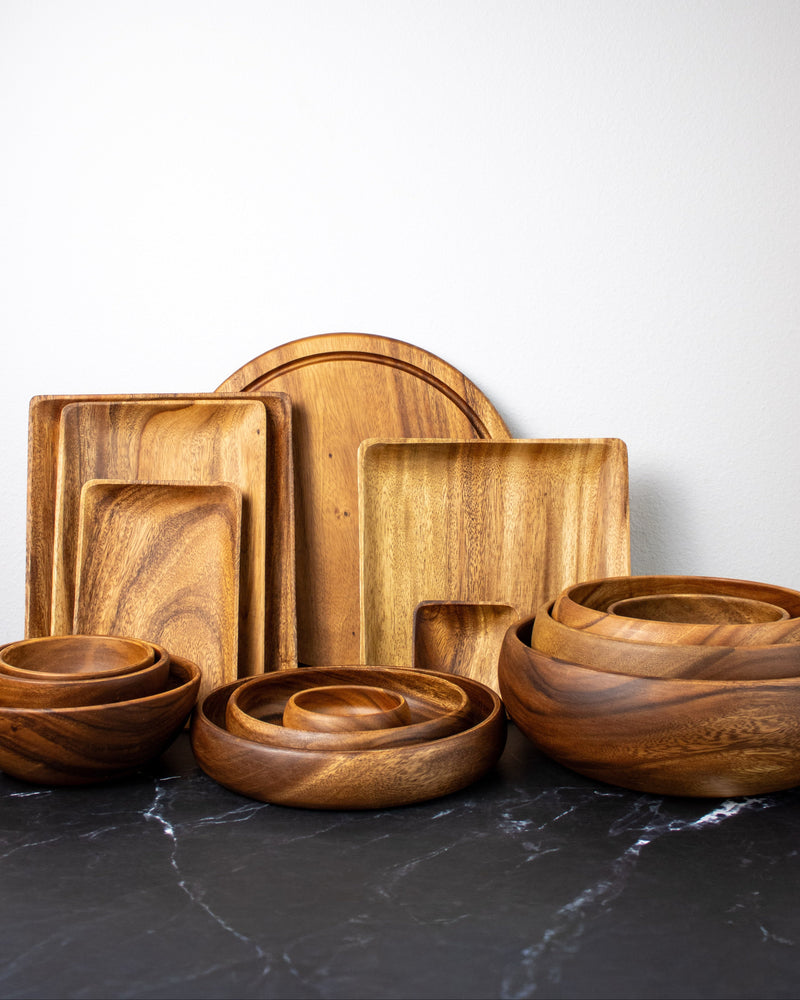
What is Acacia Wood?
Botanical Background
Acacia is a genus containing over 1,000 species of trees and shrubs native to tropical and subtropical regions worldwide, with particularly high diversity in Australia, Africa, and Southeast Asia, including the Philippines. The name "acacia" comes from the Greek word "akis," meaning thorn or sharp point, referring to the thorns found on many species.
For woodworking purposes, the most commonly used species include:
- Acacia mangium: Fast-growing species popular in Southeast Asia
- Acacia melanoxylon (Australian blackwood): Prized for fine furniture
- Acacia koa: Hawaiian species valued for premium applications
- Acacia seyal: African species used in various applications
At Dalisay & Co, we work with acacia sustainably sourced from Region 4 in the Philippines, where the wood has been used in traditional crafts for generations.
Growth Characteristics
Acacia trees are remarkable for their rapid growth:
- Reach heights of 30-40 feet (some species taller)
- Mature in 5-7 years (compared to 20-50 years for many hardwoods)
- Thrive in tropical and subtropical climates
- Adapt to various soil conditions
- Provide nitrogen fixation, improving soil health
This fast growth makes acacia an environmentally responsible choice while still delivering hardwood quality and durability.
Historical Use
Acacia has been used by humans for thousands of years:
- Ancient Egypt: Acacia wood in furniture and building construction
- Biblical references: Mentioned in religious texts for temple construction
- Traditional medicine: Various parts used in healing practices
- Furniture making: Prized in Asian and African woodworking traditions
- Modern applications: Flooring, furniture, homeware, and decorative items

The first acacia set
Gorosin Bowl Set
Four solid acacia bowls in our family-name line, sized from prep to centerpiece. Pre-oiled and ready to use, the easiest way to put a real piece of acacia in your kitchen.
Properties & Why It's Perfect
Acacia Wood Properties & Characteristics
Physical Properties
Density & Hardness:
- Janka Hardness: 1,700-2,300 lbf (depending on species)
- Density: 41-53 lbs/cubic foot
- Classification: Hard hardwood
- Comparison: Harder than cherry or walnut, similar to maple
This density contributes to acacia's durability and resistance to dents and scratches, making it practical for daily kitchen use.
Color & Appearance:
- Color range: Light golden brown to rich chocolate brown, with reddish undertones
- Heartwood: Darker, more pronounced grain (the wood from the tree's center)
- Sapwood: Lighter, creamier tones (outer wood layers)
- Variation: Significant color variation even within single pieces, a distinctive characteristic
- Aging: Darkens and deepens with time and exposure to light
Grain Pattern & Texture
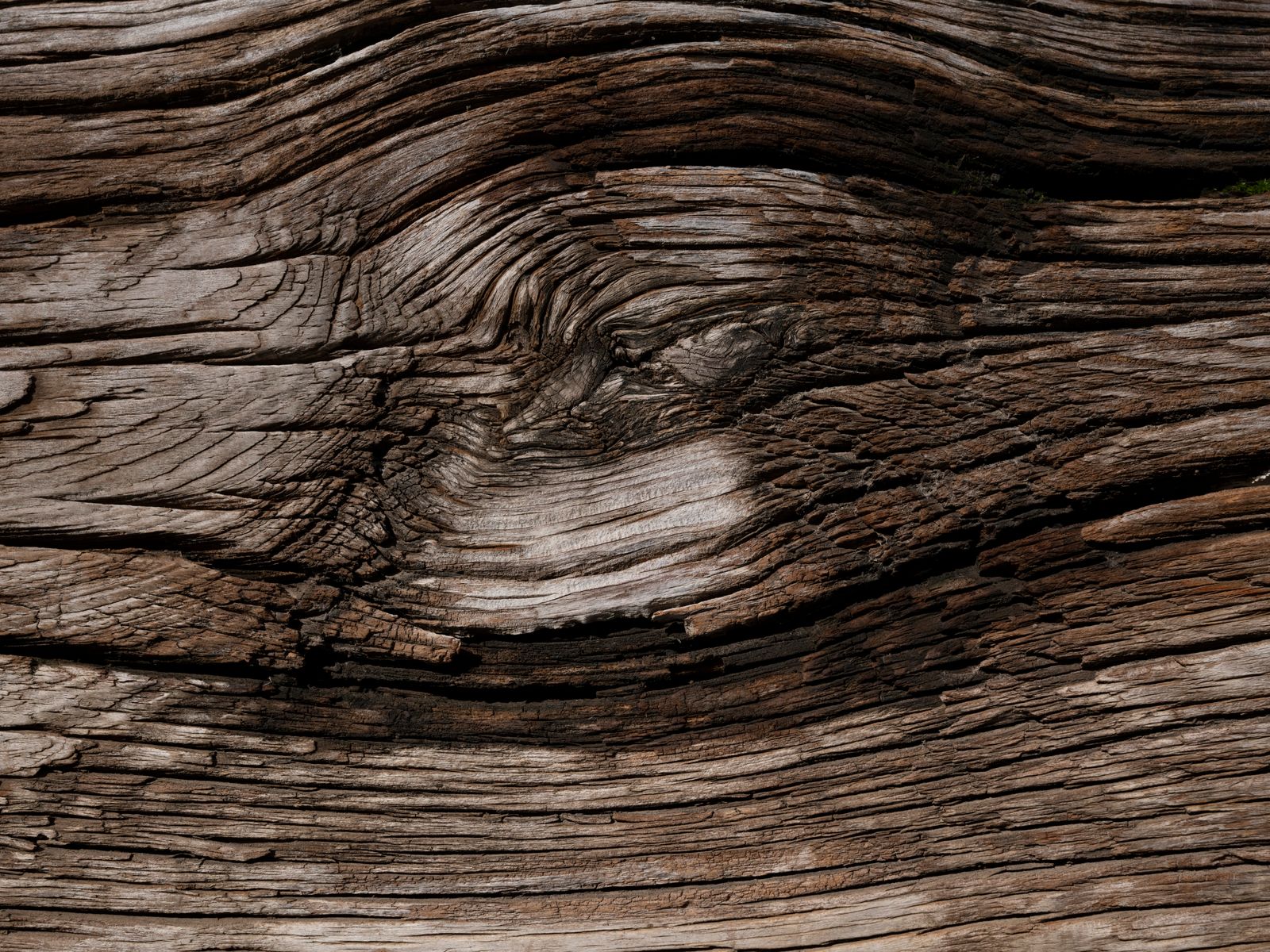
Acacia's most distinctive feature is its irregular, unpredictable grain:
- Waves, swirls, and interlocking patterns create unique aesthetics
- Grain direction changes add visual interest and character
- Medium to coarse texture
- Natural luster when properly finished
- Each piece genuinely one-of-a-kind
This wild grain can make acacia more challenging to work with (requiring skilled craftspeople) but results in stunning visual appeal that mass-produced items can't replicate.
Natural Durability
Acacia wood possesses impressive natural resistance:
Moisture Resistance:
- Dense grain structure limits water absorption
- Natural oils provide protective barrier
- Resists warping better than many softwoods
- Still requires proper care (not waterproof)
Bacterial Resistance:
- Studies show hardwoods like acacia naturally inhibit bacterial growth
- Dense grain doesn't harbor bacteria like porous materials
- Natural antimicrobial compounds in the wood
- Food-safe when properly finished and maintained
Insect Resistance:
- Natural compounds deter many wood-boring insects
- Dense structure makes penetration difficult
- Less prone to termite damage than softer woods
Rot Resistance:
- Moderate to good natural rot resistance
- Heartwood more resistant than sapwood
- Proper finishing and care extend this resistance significantly
Why Acacia is Perfect for Kitchen Use

For the everyday acacia table
Ina Plate Set
Three plate sizes in solid acacia, named for the Tagalog word for mother. Built to hold a full meal and quietly develop a patina with every wash.
Food Safety
Acacia wood is naturally food-safe for several reasons:
- No toxic compounds: Safe for direct food contact
- Natural antimicrobial properties: Research shows hardwoods resist bacterial colonization
- Dense grain: Doesn't absorb food particles or odors like porous materials
- Easy to clean: Smooth surface after proper finishing
- Non-reactive: Won't affect food taste or quality
Durability for Daily Use
Kitchen items face tough conditions: heat, moisture, impact, acidic foods. Acacia handles these challenges:
- Impact resistance: Dense hardwood resists dents and chips
- Knife-friendly: Softer than knife blades, won't dull edges quickly
- Temperature stable: Handles warm foods without damage (not extreme heat)
- Stain resistant: Proper finishing prevents most staining
- Long lifespan: With care, acacia pieces last 10-20+ years
Aesthetic Appeal
Functionality matters, but so does beauty. Acacia delivers:
- Rich, varied coloring: Creates visual interest on the table
- Unique grain patterns: Each piece is genuinely distinctive
- Warm, natural appearance: Complements various décor styles
- Aging gracefully: Develops attractive patina over time
- Photographs beautifully: Popular on social media for food presentation
Practical Versatility
Acacia works for numerous kitchen applications:
Serving & Display:
- Bowls for salads, fruits, snacks
- Plates and chargers for elegant presentation
- Serving platters and charcuterie boards
- Decorative pieces that remain functional
Food Preparation:
- Cutting boards that protect knife edges
- Mixing bowls for dry ingredients
- Utensils (spoons, spatulas, servers)
Everyday Use:
- Individual dining bowls and plates
- Serving utensils
- Storage containers (with proper lids)
Complete Care & Maintenance Guide
Daily Care Routine
After Every Use:
- Rinse immediately with warm water
- Wash with mild dish soap and soft sponge
- Rinse thoroughly to remove all soap residue
- Dry immediately with clean, absorbent cloth
- Air dry completely in well-ventilated area before storing
Critical "Never" Rules:
- Never dishwasher: Extreme heat and harsh detergents destroy wood
- Never microwave: Causes cracking, warping, and oil release
- Never soak: Extended water exposure leads to warping
- Never harsh chemicals: Bleach, strong cleaners damage and dry wood
- Never abrasive scrubbers: Steel wool and harsh pads scratch surface
Monthly Maintenance: Oiling
Why Oil Acacia Wood?
- Prevents drying and cracking
- Maintains moisture balance
- Enhances natural color and grain
- Protects against stains and moisture
- Keeps surface smooth and pleasant
Best Oils to Use:
- Food-grade mineral oil (recommended): Odorless, tasteless, doesn't go rancid
- Beeswax blend: Mix with mineral oil (1:4 ratio) for added protection
- Walnut oil: Natural option, but can go rancid, use sparingly
Oils to Avoid:
- Olive oil, canola oil, coconut oil: Go rancid, create odors
- Linseed oil: Can become sticky
- Furniture polish: Contains non-food-safe chemicals
How to Oil Acacia Wood (detailed steps):
Step 1: Clean & Dry Ensure piece is completely clean and bone-dry (wait 24 hours after washing if needed).
Step 2: Apply Oil
- Pour small amount of food-grade mineral oil on soft cloth
- Rub oil into wood following grain direction
- Cover entire surface: inside, outside, edges
- Apply generously, allowing wood to absorb
Step 3: Let Absorb
- Allow 15-30 minutes for penetration
- Very dry wood may absorb first coat quickly
- Add second coat if wood looks dry after absorption
Step 4: Remove Excess
- Wipe away any oil remaining on surface
- Buff with clean, dry cloth
- Surface should feel smooth, not greasy
Step 5: Cure
- Let air dry 8-12 hours before using
- Overnight curing is ideal
- Full oil penetration ensures best protection
Frequency:
- Monthly for regularly used pieces
- Every 2-3 months for occasional-use items
- Whenever surface looks dull or dry
- More frequently in very dry climates
Storage Best Practices
Location:
- Cool, dry place away from direct sunlight
- Avoid extreme temperature fluctuations
- Keep away from heat sources (ovens, dishwashers, radiators)
- Well-ventilated area, not sealed cabinets
Positioning:
- Store completely dry, never put away damp
- Don't stack bowls tightly, allow air circulation
- Store flat items on edge when possible
- Use shelf liners to prevent scratching
Climate Considerations:
- Dry climates: Oil more frequently, store away from heating vents
- Humid climates: Ensure thorough drying before storage
- Seasonal changes: Check pieces and re-oil as needed
Dealing with Issues
Stains:
- Light stains: Baking soda paste, gentle rub, rinse
- Odors: Coarse salt + lemon half, scrub, rinse
- Deep stains: Light sanding with 220-grit, re-oil
Dryness & Minor Cracks:
- Deep conditioning: Multiple oil coats over several days
- Work oil into cracks to prevent expansion
- Very fine sanding if surface feels rough
Water Rings or Spots:
- Sand lightly with fine sandpaper
- Re-oil affected area
- Prevention: Always dry immediately after washing
When to Retire a Piece:
- Deep cracks that go through the wood
- Pieces separating or splitting
- Splinters that can't be sanded smooth
- Warping that affects food safety or usability
"Acacia is one of the few hardwoods that gets more valuable to its owner over decades. Care doesn't maintain it. Care reveals it."
Comparison & Sustainability
Acacia vs. Other Woods Comparison
Acacia vs. Teak
Similarities:
- Both tropical hardwoods
- Natural oil content
- Moisture and rot resistant
- Beautiful grain patterns
Differences:
- Cost: Teak significantly more expensive
- Color: Teak more uniform golden-brown, acacia more varied
- Sustainability: Acacia grows faster, more sustainable
- Applications: Teak more common in outdoor furniture, acacia in homeware
Best choice: Acacia for kitchen use offers similar properties at lower cost with better sustainability profile.
Acacia vs. Bamboo
Similarities:
- Both eco-friendly options
- Fast-growing resources
- Used in kitchen applications
- Light to medium colors
Differences:
- Material type: Bamboo is grass, acacia is hardwood
- Hardness: Bamboo harder (harder than many hardwoods), acacia very hard but slightly softer
- Grain: Acacia has more dramatic, varied grain
- Processing: Bamboo often laminated, acacia solid wood
- Durability: Both durable; acacia handles repeated wetting slightly better
Best choice: Acacia for serving pieces where beauty matters; bamboo for heavy cutting board use.
Acacia vs. Maple
Similarities:
- Both popular kitchen woods
- Hard hardwoods
- Food-safe and durable
- Light natural colors
Differences:
- Origin: Maple typically North American, acacia tropical
- Grain: Maple more uniform and subtle, acacia more dramatic
- Color: Maple lighter and more consistent, acacia varied and richer
- Cost: Generally comparable, varies by source
- Maintenance: Similar care requirements
Best choice: Acacia for visual interest and unique appearance; maple for consistent, light appearance.
Acacia vs. Walnut
Similarities:
- Both rich, dark woods
- Beautiful grain patterns
- Premium positioning
- Used in fine woodworking
Differences:
- Color: Walnut chocolate brown, acacia light-to-dark variation
- Hardness: Acacia harder than walnut
- Cost: Walnut generally more expensive
- Grain: Walnut straight, acacia irregular
- Durability: Acacia more impact-resistant
Best choice: Acacia offers similar luxury appearance with better durability at lower cost.
Quick Comparison Table
| Wood | Hardness | Cost | Sustainability | Grain Interest | Kitchen Use |
|---|---|---|---|---|---|
| Acacia | Very Hard | $$ | Excellent | Very High | Excellent |
| Teak | Hard | $$$$ | Moderate | High | Very Good |
| Bamboo | Very Hard | $ | Excellent | Moderate | Excellent |
| Maple | Hard | $$ | Good | Low | Excellent |
| Walnut | Medium-Hard | $$$ | Good | High | Very Good |
Sustainability & Environmental Impact
Why Acacia is an Eco-Friendly Choice
Fast Growth Rate:
- Matures in 5-7 years vs. 20-50 for traditional hardwoods
- Allows sustainable harvesting cycles
- Less pressure on old-growth forests
- Plantation cultivation feasible
Nitrogen Fixation:
- Acacia trees improve soil health
- Fix atmospheric nitrogen, enriching soil
- Benefit surrounding vegetation
- Reduce need for chemical fertilizers in mixed plantations
Carbon Sequestration:
- Rapid growth means fast carbon capture
- Contributes to climate change mitigation
- Planted trees offset harvested ones quickly
Waste Reduction:
- Smaller trees mean less waste in production
- Irregular grain means more variation accepted (less culling)
- Sawdust and scraps used for other applications
Responsible Sourcing
At Dalisay & Co, we source acacia from Region 4 in the Philippines with attention to:
- Sustainable forestry practices: No old-growth harvest
- Plantation management: Replanting programs
- Local economic support: Purchasing from Filipino suppliers
- Fair labor standards: Artisan partnerships with fair compensation
- Transparency: Clear supply chain documentation
Comparing Environmental Impact
Acacia vs. Plastic/Melamine:
- Biodegradable at end of life
- No microplastic release
- No toxic manufacturing chemicals
- Renewable resource
- Lower carbon footprint
Acacia vs. Ceramic/Glass:
- Lower energy manufacturing process
- Lighter weight (less transport emissions)
- Doesn't break/create waste
- Renewable vs. mineral extraction
- Requires more care and maintenance
Acacia vs. Other Woods:
- Faster growth = better sustainability
- Widely available, reducing transport
- Plantation-friendly species
- Multi-benefit tree (nitrogen fixation)
End of Life Considerations
When your acacia piece finally reaches the end of its usable life:
- Biodegradable: Decomposes naturally
- Compostable: Can be composted (remove finishes first)
- Repurposable: Sand down for new uses (decorative items, garden markers)
- Burnable: Can be used as firewood (if finish allows)
- Zero waste potential: Unlike plastic alternatives
Common Problems & Solutions
Problem: Wood Drying Out and Cracking
Causes:
- Infrequent oiling
- Exposure to dry heat (dishwasher, heating vents)
- Very low humidity environments
- Extreme temperature fluctuations
Solutions:
- Increase oiling frequency to every 2-3 weeks
- Apply multiple conditioning coats over several days
- Keep away from heat sources
- Use humidifier in very dry climates
- Consider dedicated storage area with stable conditions
Prevention:
- Regular monthly oiling
- Proper storage away from heat
- Never dishwasher or microwave
- Dry completely but don't over-dry with heat
Problem: Warping or Bending
Causes:
- Extended water exposure (soaking)
- Uneven drying (one side wet, one dry)
- Extreme temperature changes
- Storing wet or damp
Solutions:
- Minor warping: Re-condition with oil, apply weight, allow time
- Moderate warping: May be permanent; assess if still functional
- Severe warping: Piece may need to be retired or repurposed
Prevention:
- Never soak in water
- Dry immediately and thoroughly after washing
- Air dry evenly before storing
- Maintain stable storage conditions
Problem: Lingering Food Odors
Causes:
- Strong foods (garlic, onions, fish)
- Inadequate cleaning
- Food particles trapped in grain
- Oil going rancid (if wrong type used)
Solutions:
- Coarse salt + lemon treatment: Scrub with salt and lemon half
- Baking soda paste: Apply, let sit 15 minutes, scrub, rinse
- Vinegar rinse: Dilute white vinegar, wipe, rinse thoroughly
- Sun exposure: Place in direct sunlight for a few hours
- Re-oil after odor treatment
Prevention:
- Clean immediately after use
- Use proper food-grade mineral oil only
- Dedicate boards to specific uses (meat vs. vegetables)
- Thorough washing and drying
Problem: Stains and Discoloration
Causes:
- Beetroot, turmeric, berries (natural dyes)
- Wine, coffee, tea tannins
- Prolonged contact with acidic foods
- Iron deposits from water
Solutions:
- Baking soda scrub for light stains
- Lemon juice + salt for tannin stains
- Very fine sandpaper (320-grit) for stubborn stains
- Re-oil after stain removal
Prevention:
- Clean up spills immediately
- Don't let staining foods sit on wood
- Keep well-oiled (protective barrier)
- Accept some patina as natural aging
Problem: Surface Feels Rough or Fuzzy
Causes:
- Raised grain from water exposure
- Finish wearing away
- Minor scratches and wear
- Inadequate initial finishing
Solutions:
- Light sanding with 220-320 grit sandpaper
- Follow wood grain direction
- Wipe away dust completely
- Re-oil thoroughly after sanding
Prevention:
- Proper drying technique
- Regular oiling maintains smooth finish
- Gentle washing (not harsh scrubbing)
- Quality pieces with good initial finishing

The complete acacia table
Royal Hosting Set
Thirteen pieces of solid acacia, the full Ina Plate set plus the centerpiece bowls and boards. For people ready to make acacia the default of how they host.
Frequently Asked Questions
Is acacia wood safe for food? Yes, acacia wood is naturally food-safe. It contains no toxic compounds, and its dense grain resists bacterial growth. When properly finished with food-grade oils and maintained correctly, acacia is completely safe for food contact.
How often should I oil my acacia wood items? Oil monthly for regularly used pieces, or whenever the surface looks dull and dry. In very dry climates, you may need to oil every 2-3 weeks. Occasional-use pieces can be oiled every 2-3 months.
Can acacia wood go in the dishwasher? No, never put acacia wood in the dishwasher. The high heat, harsh detergents, and prolonged water exposure will crack, warp, and damage the wood permanently. Always hand wash acacia items.
What's the difference between acacia wood and teak? Both are tropical hardwoods with natural oils and durability. Teak is generally more expensive and more uniform in color, while acacia is more affordable, faster-growing (more sustainable), and features more dramatic grain variation.
How long does acacia wood last? With proper care, acacia wood kitchen items can last 10-20+ years. Many people pass acacia pieces down as family heirlooms. Lifespan depends on use frequency and care quality.
Is acacia wood environmentally friendly? Yes, acacia is one of the most sustainable wood choices. It grows rapidly (5-7 years to maturity), can be plantation-cultivated, fixes nitrogen in soil, and is fully biodegradable at end of life.
Why does my acacia piece look different from the photos? Acacia wood has significant natural color and grain variation, even within a single tree. Each handcrafted piece is unique, which is part of acacia's charm. Expect variations in color, grain pattern, and exact dimensions.
Can I use acacia wood for hot food? Acacia can handle warm foods, but avoid extreme heat. Never heat the bowl itself (microwave, oven), and allow very hot foods to cool slightly before serving in wooden bowls. Heat won't damage occasionally but shouldn't be routine.
What oil is best for acacia wood? Food-grade mineral oil is recommended, it's odorless, tasteless, doesn't go rancid, and is widely available. Beeswax blends are also excellent. Avoid vegetable oils (olive, coconut, canola) as they go rancid and smell bad.
How do I remove scratches from acacia wood? For light scratches, regular oiling often blends them in naturally. For deeper scratches, sand lightly with very fine sandpaper (220-320 grit) following the grain direction, then re-oil the entire piece.
References
Sources we cited and consulted when writing this guide. We try to point to the original research where possible.
- Ak NO, Cliver DO, Kaspar CW. "Cutting boards of plastic and wood contaminated experimentally with bacteria." Journal of Food Protection, 1994. The Wisconsin study that found hardwood cutting surfaces self-decontaminate within hours, often outperforming plastic.
- USDA Forest Products Laboratory. "Wood Handbook: Wood as an Engineering Material." General Technical Report FPL-GTR-282, 2021. The U.S. Forest Service's standard reference for wood properties, finishing, and care.
- U.S. Food and Drug Administration. "21 CFR §172.878: White Mineral Oil." Code of Federal Regulations. Defines food-grade (USP) mineral oil and confirms its safety for direct food contact.
- Hidayat W et al. "Physical and Chemical Properties of Acacia mangium Lignin." PMC / NCBI, 2022. Background on the structural durability of the acacia species we work with.