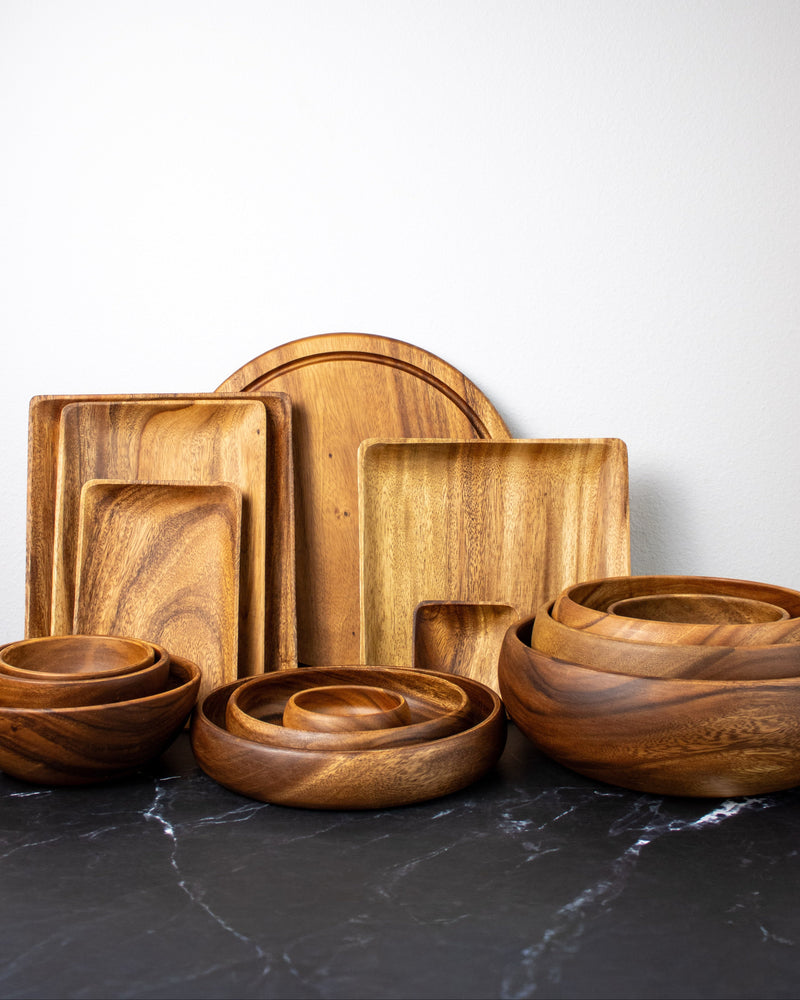
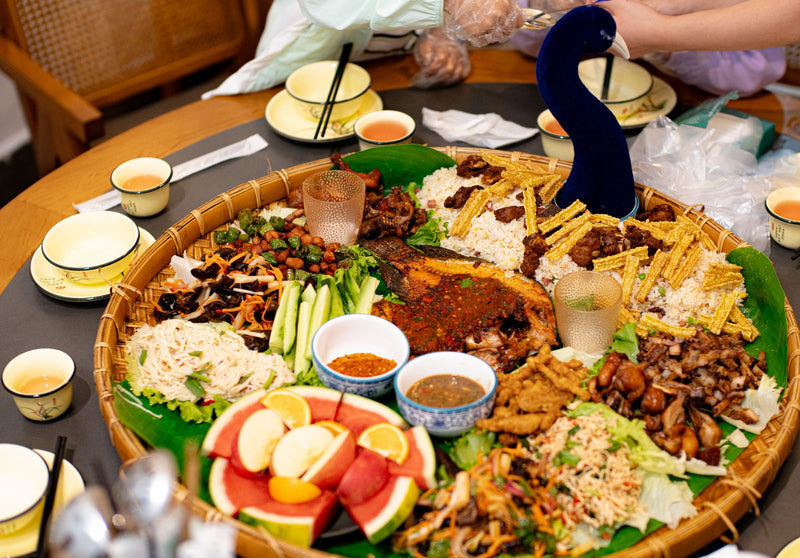
Sinigang is a temperature dish as much as it is a sour one. The broth has to arrive hot, the sampaloc has to read clean and bright on the first sip, and the last ladle, the one that hits the bottom of the bowl twenty minutes into the meal, should still be warm enough to want. Most homes pour it into the wrong vessel and lose half of that on the way to the table. This guide is about fixing that.
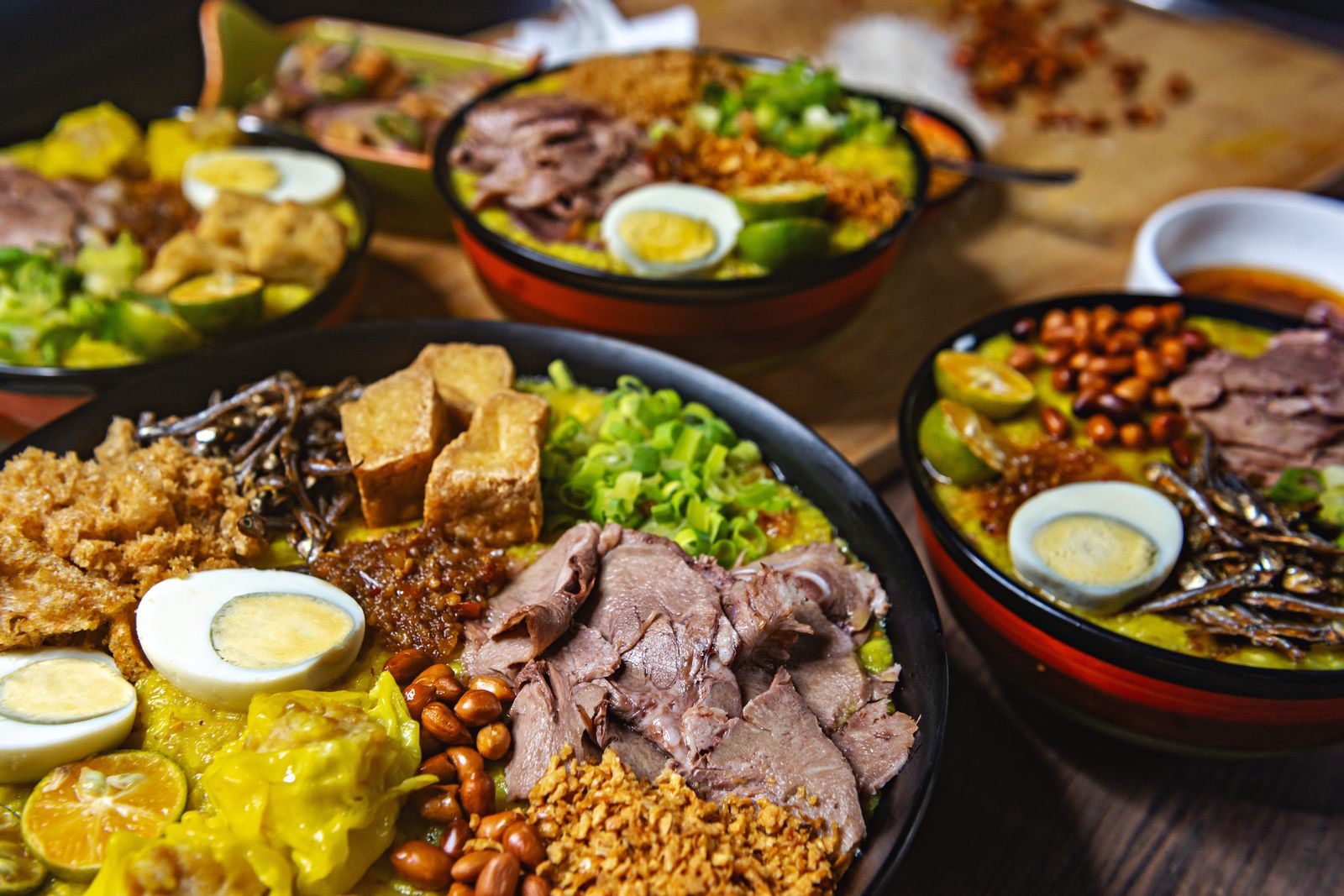
Why Sinigang Deserves a Proper Serving Bowl
A bowl is not a neutral container. It is the last surface between your pot and your spoon, and it changes the dish. For a stew like adobo or kaldereta, the bowl is mostly a frame. For sinigang, where temperature and aroma carry the whole experience, the bowl is part of the recipe.
What ceramic and metal do to a hot, sour broth
Thin ceramic is a thermal sponge. Pour a 90 degree Celsius broth into a cold ceramic bowl and the bowl pulls heat out of the soup until it equalises, usually somewhere in the high 70s. That happens in the first thirty seconds, before the bowl reaches the table. Stainless steel is worse for the opposite reason. It conducts heat so quickly that the rim becomes uncomfortable to hold and the broth on top cools while the bottom stays hot. Neither surface is friendly to a long Filipino meal, where the bowl sits while the rice is passed, the sawsawan is mixed, and someone is still getting up to grab more siling labuyo.
The role of the bowl in a kainan, not just the kitchen
In a kainan, the bowl is a working object. It gets refilled. It gets used to dunk rice. It gets nudged across the table to share a piece of gabi. A heavy ceramic bowl is a thing you serve in. A wooden bowl is a thing you eat from with both hands when the broth is good. The difference is felt by anyone who has held an acacia bowl through a slow Sunday lunch.
What changes when you switch to wood
Wood has a thermal conductivity roughly one one-hundredth that of stainless steel and one fifth that of dense ceramic. In plain language, it does not pull heat away from the broth and it does not transfer heat to your fingers. The broth stays hot longer, the rim stays cool, and the bowl itself warms slowly to roughly broth temperature without becoming dangerous to hold. Wood also handles sour and oily dishes well, which is why it sits comfortably with the larger family of Filipino dishes that suit wooden tableware, from sinigang to nilaga to a saucy paksiw.

The everyday family sinigang set
A four-bowl acacia set sized for weeknight kainan, deep enough for broth, kangkong, and a serious piece of liempo.
Shop the Ama Bowl Set →How Acacia Holds Heat for Sinigang
People notice that sinigang in wood feels different before they can name why. The first sip reads the same, but the meal as a whole reads warmer. The reason is in the physics of the material and in the way Filipino meals actually run, with long stretches between the first ladle and the last.
Wood as a slow-release thermal surface
Acacia is a dense hardwood with low thermal conductivity. When hot broth meets the inside of the bowl, the surface layer warms quickly, but the heat does not race outward through the wall. It sits. That means the broth loses its heat to the air above the bowl, not to the bowl itself. The dominant heat loss path becomes evaporation off the surface, which is slow at 80 degrees, rather than conduction through the wall, which is fast in metal and quick in thin ceramic.
Why the last spoonful matters (and stays warm)
Sinigang is rarely finished in one sitting. People eat a few spoons, take rice, talk, get up, come back. The bowl might sit untouched for ten minutes between sips. In ceramic, that ten minutes is brutal. In wood, the same ten minutes loses maybe two or three degrees from the broth, which is the difference between a warm finish and a cold one. The last spoonful is where you taste the deepest of the sampaloc and the most of the gabi starch, and it is exactly the spoonful that gets ruined by a cold bowl.
Bowl wall thickness and broth temperature over a 30-minute meal
A typical Dalisay acacia bowl wall is between 8 and 12 mm. That thickness is functional. Thinner walls would warm faster but also let heat escape faster. Thicker walls hold more thermal mass but take longer to warm up to broth temperature. In practice, an acacia bowl filled with 350 to 500 ml of broth at serving temperature holds the broth above 65 degrees for the entire span of a normal kainan, somewhere between 25 and 35 minutes.
Steam, aroma, and the suka-patis dimension
Sinigang aroma is volatile. The sampaloc, the kamatis, the fish or pork fat, the kangkong, they all evaporate out of the broth as steam. A wooden bowl, because it does not chill the broth on contact, keeps that steam rising for longer. You smell the broth between sips. When the sawsawan, usually patis with calamansi and crushed siling labuyo, hits the rice, the steam from the bowl carries that scent up to meet it. This is a small thing on paper and an obvious thing at the table.
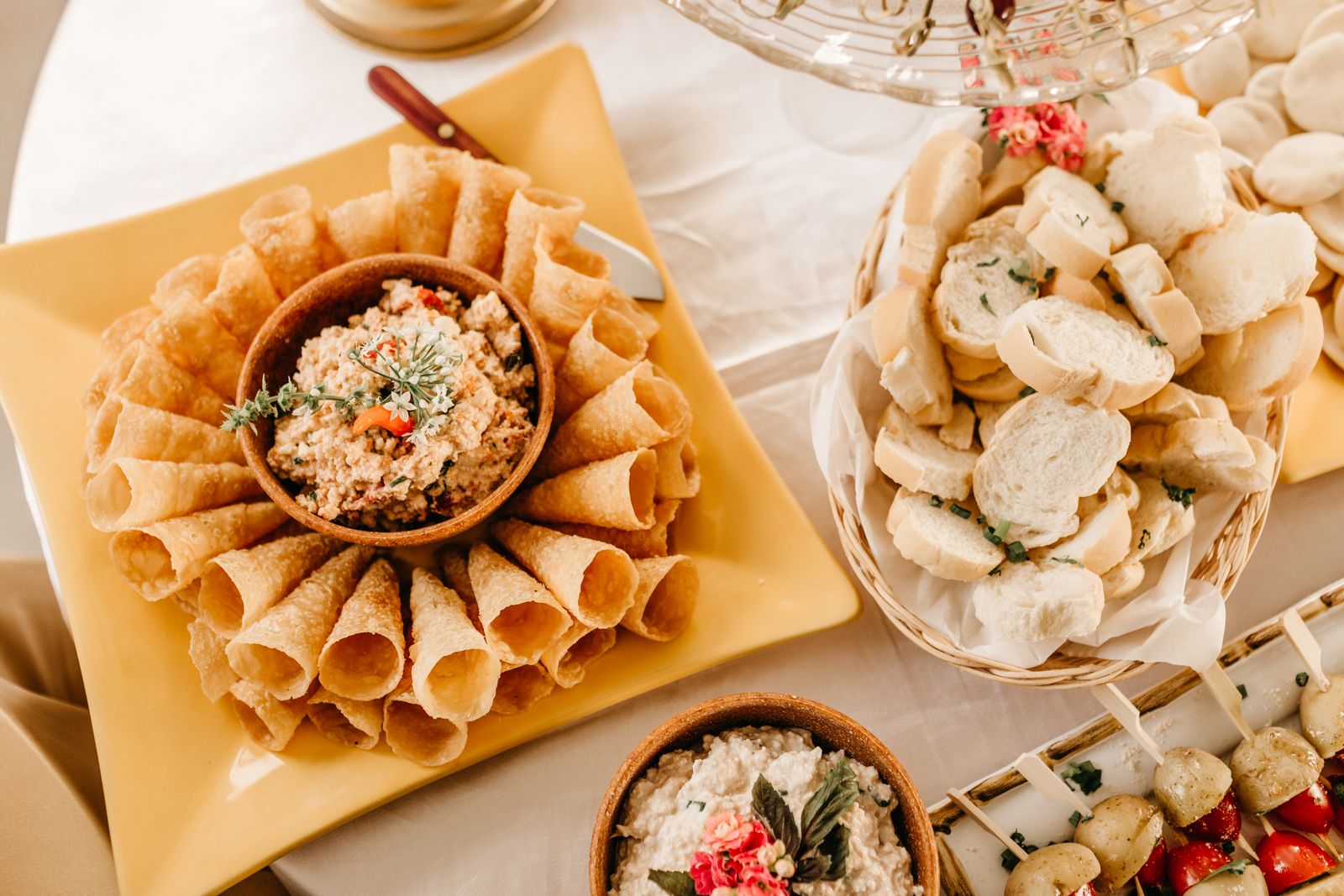
Sizing and Shape: Picking the Right Bowl for Sinigang
The single most common mistake with sinigang serving bowls is choosing a salad bowl shape, wide and shallow, when the dish needs the opposite. Sinigang is layered, and the bowl has to make room for those layers without spilling or making the broth feel thin.
Individual serving bowls vs. one large communal bowl
Most Filipino households serve sinigang in individual bowls, with the cooking pot left in the kitchen or placed on a trivet at the head of the table for refills. This works because each diner controls their own broth-to-solid ratio and their own pace. A single large communal bowl works for smaller gatherings of two or three, or when sinigang is being treated as a soup course rather than the main, but it makes refill politics awkward at scale.
Depth matters: room for sampaloc broth, gabi, kangkong, and protein
A good sinigang bowl is at least 5 cm deep, ideally 6 to 7 cm. That depth holds 350 to 500 ml of broth plus the solids without sitting at the rim. A shallow bowl forces you to under-ladle, which means the protein sits exposed and the broth cools faster because of the larger surface area. A deeper bowl lets you bury the gabi and the radish under the broth, which is where you want them, soft and warm and not crusting over.
Matching bowl size to household (2, 4, 6, 8 servings)
- Two servings: two individual bowls of 500 ml each, or one shared centerpiece of about 1.2 litres. Either works for a quiet weeknight.
- Four servings: four individual bowls in the 450 to 550 ml range. The standard family set.
- Six servings: six individual bowls, or four plus a smaller communal for refills. This is where a slightly deeper bowl earns its place because you will be ladling more than once.
- Eight or more: a hosting-tier set of larger individual bowls plus a centrepiece serving bowl. At this scale, the centrepiece is no longer about storytelling, it is about logistics.
When to use a shared centerpiece bowl
A shared centerpiece bowl belongs on a long lunch with extended family, a Sunday lunch with grandparents, or any meal where the conversation is the point and the food is the table around which it happens. The centerpiece is also where leftover broth politely waits for a second round. It does not replace individual bowls, it joins them.

Deeper bowls for richer broths
The Gorosin set runs deeper than the everyday Ama, which makes it the right pick for sinigang na baboy and other broth-heavy dishes.
Shop the Gorosin Bowl Set →How to Serve Sinigang at the Table
Plating sinigang is not difficult, but there is a sequence that makes the difference between a bowl that looks like soup and a bowl that looks like a proper serving of sinigang. The sequence is the same whether you are hosting four or eight.
Ladling order: broth first, then solids, then a final pour
- Start with a half-ladle of clear broth to warm the bowl. Do not skip this. A cold wooden bowl is still a wooden bowl, but a warmed one is at temperature before the dish even arrives.
- Add the solids next. Aim for a piece of protein, two or three cubes of gabi, a couple of pieces of radish, and a small handful of kangkong leaves. Press the kangkong gently under the surface so the leaves wilt the rest of the way in the broth.
- Finish with a generous final pour of broth across the top. This lifts any aromatics that settled at the bottom of the pot and gives the bowl a clean, glossy surface.
The rice plate alongside, not underneath
Rice goes on a separate plate, set to the left or upper left of the bowl. Pouring sinigang over rice is fine for the second helping, when the broth has cooled slightly and the rice is the main act, but on the first serving the rice should sit dry and warm. This is also the same convention that suits other dish-on-plate Filipino meals, the way kare-kare sits on acacia plates with rice and bagoong off to the side.
Sawsawan placement (patis with calamansi, siling labuyo)
The sawsawan for sinigang is almost always patis with a squeeze of calamansi and crushed siling labuyo. Place it in a small sawsawan dish to the upper right of the bowl. Diners who want it dip the protein on the spoon, never pour it into the broth. Pouring patis into the broth flattens the sampaloc.
Serving sinigang na baboy vs. hipon vs. bangus (small adjustments)
- Sinigang na baboy: the canonical version. Use the full ladle sequence above. Pork belly cubes should sit just under the broth surface.
- Sinigang na hipon: shrimp cooks fast, so add it last in the pot and ladle gently. Keep the bowl slightly less full because the shells take up space.
- Sinigang na bangus: milkfish is delicate. Ladle the broth around the fish rather than over it, and serve immediately. A deeper bowl helps the fish sit without breaking up.
Refills without losing heat
For refills, bring the pot to the table or carry the bowl back to the kitchen. Do not pre-pour second helpings into a separate vessel and let them sit, which is the surest way to lose temperature. If you are hosting, time refills to the natural conversation breaks rather than asking people if they want more every five minutes.
Caring for Wooden Bowls After Sinigang
Sour broth makes people nervous about wood. It should not. A properly finished acacia bowl is sealed against water and acid for normal eating use, and sinigang sits well within normal.
Why sour broth is not a threat to sealed acacia
Sampaloc broth typically sits at a pH of around 3.5 to 4.5, which is more acidic than coffee and less acidic than vinegar. The food-safe finish on a Dalisay acacia bowl is not stripped by that range over the course of a meal. What harms wood is prolonged soaking, dishwasher cycles, and abrasive scouring, not the broth itself. The FDA and USDA both treat properly finished hardwoods as food-safe for direct contact with hot and acidic foods, which is why hardwood cutting boards have been standard in commercial kitchens for decades.
Same-day rinse, hand wash, air dry
- After the meal, rinse the bowl under warm running water to clear the broth and any clinging solids. Do not let it sit overnight with broth in it.
- Hand wash with a soft sponge and a small amount of mild dish soap. Avoid steel wool, scouring pads, and abrasive powders.
- Rinse and air dry upside down on a rack, or right side up on a clean towel. Do not stack bowls while still damp.
When to re-oil (and when not to)
Re-oil when the surface starts to look dry, dull, or slightly chalky, usually every two to three months for bowls in regular use. Do not re-oil on a fixed schedule and do not re-oil a bowl that still looks healthy. Use food-grade mineral oil or a board butter, applied thinly with a soft cloth, left for a few hours, then wiped clean. The full process is covered in our deeper guide to caring for acacia wood bowls.
Stains, smells, and what to ignore
A faint tamarind or fish scent in the bowl an hour after the meal is normal and disappears with washing. A persistent smell after a proper wash usually means the bowl was left wet for too long, and a longer air dry on a sunny shelf will fix it. Light staining around the broth line is also normal in the early weeks of use and tends to even out as the bowl develops a patina. Ignore it.

For handaan-scale sinigang nights
The Manila set is the hosting-tier choice, sized and finished for big-table Sundays where the pot empties twice.
Shop the Manila Bowl Set →Frequently Asked Questions
Will sinigang broth stain or warp acacia wood bowls?
No, not under normal use. A sealed acacia bowl handles sampaloc broth without warping, and any faint staining around the broth line evens out as the bowl develops a patina. Warping comes from prolonged soaking or dishwasher cycles, not from a hot meal.
Can I pour boiling sinigang directly into a wooden bowl?
Yes. Acacia handles serving-temperature broth, typically 85 to 95 degrees Celsius, without issue. Pour normally rather than tilting and splashing, and your bowl will be fine.
What size sinigang serving bowl do I need for a family of four?
Four individual bowls in the 450 to 550 ml range, each at least 5 cm deep, will serve a family of four comfortably with room for broth, gabi, kangkong, and protein without crowding the rim.
Is wood safe for sour broths like sinigang sa sampaloc or sa miso?
Yes. Properly finished hardwoods are food-safe for acidic foods, and the pH range of sinigang broth, whether sampaloc, miso, bayabas, or kamias, sits within what acacia handles routinely.
Can I put the wooden bowl in the dishwasher after sinigang?
No. Dishwasher heat and prolonged water exposure will dry out the wood and may cause cracking over time. Hand wash with mild soap, rinse, and air dry. The whole process takes under two minutes per bowl.
Why does sinigang taste different in wood vs. ceramic?
Wood has much lower thermal conductivity than ceramic, so the broth loses less heat to the bowl during the meal. The last spoonful arrives warmer, the steam keeps rising for longer, and the sampaloc reads cleaner across the full meal rather than just the first sip.