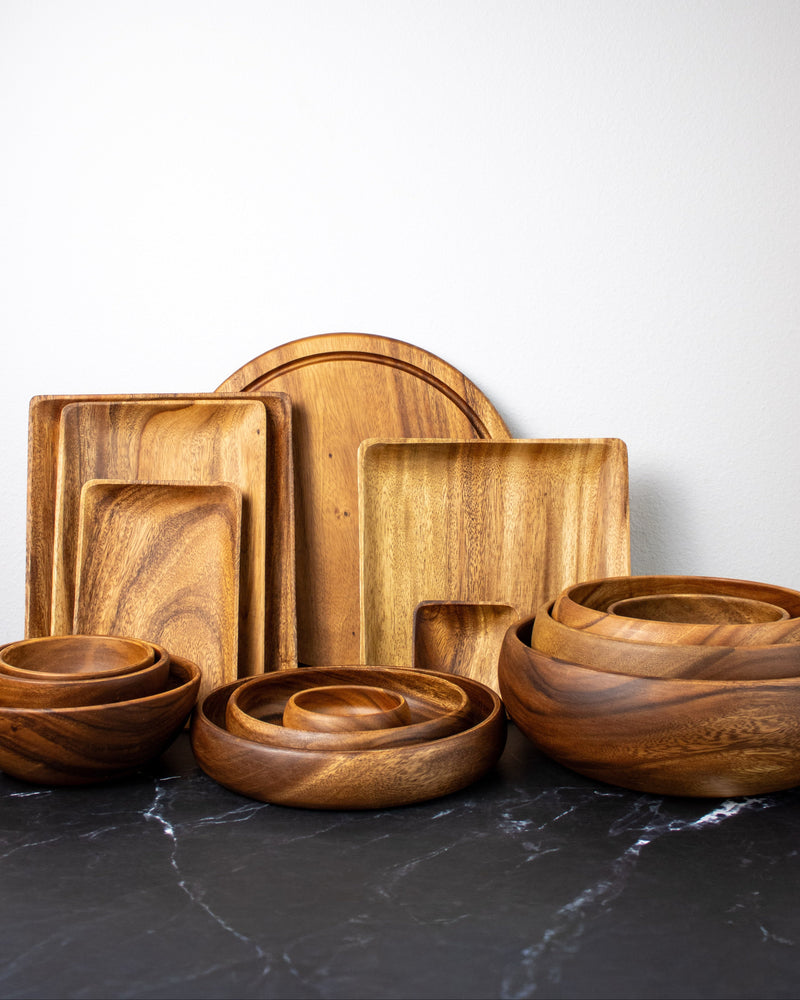
The box arrives from the workshop, the paper unfolds, and there it is: your first Dalisay acacia bowl, warm-toned and quiet. Then the question. What are you supposed to do first? Rinse it? Oil it? Just use it? This guide walks you through the first ninety days with a new bowl, from the ten minutes after unboxing to the moment it starts to feel like part of the kitchen instead of a new thing on the counter.
What "seasoning" actually means for acacia
The word "seasoning" gets thrown around in wood-care blogs as if a new bowl arrives raw and needs rescuing. That is not the case for a piece from a serious workshop. Acacia turned and finished the right way is already food-safe and already sealed. What you are doing over the first ninety days is not repair work. You are laying down a personal oil film that lives on top of the finish and deepens through use.
Why acacia arrives already food-safe and finished
Acacia, specifically the dense, close-grained varieties used for tableware in the Philippines, has natural oils in the wood itself. Once it has been kiln-dried to stable moisture content and finished with a food-safe oil at the workshop, it does not need to be treated like an unfinished cutting board. If you want the full material primer, our complete acacia wood guide covers density, grain behavior, and why this species holds up to daily kainan the way it does.
The difference between seasoning and curing
Two words often get confused. Curing is the wood reaching moisture equilibrium with your kitchen, which for a well-dried piece is mostly already done by the time it ships. Seasoning is the layer of food-safe oil that builds up as you use, wash, and oil the bowl over months. Curing is a state the wood arrives in. Seasoning is a habit you and the bowl build together.
What Dalisay does at the workshop before shipping
Before a bowl gets wrapped and packed, it goes through a final hand-sanding to knock down any raised fibers from the last wash, then receives a thin coat of food-safe finishing oil applied by hand, with the grain. It rests overnight, gets buffed with a clean cloth, and only then goes into the paper wrap. So when you open the box, the bowl in your hands has already been oiled once. Your first oiling at home is really its second, layered onto a surface that is already prepared.
Your first ten minutes with the bowl
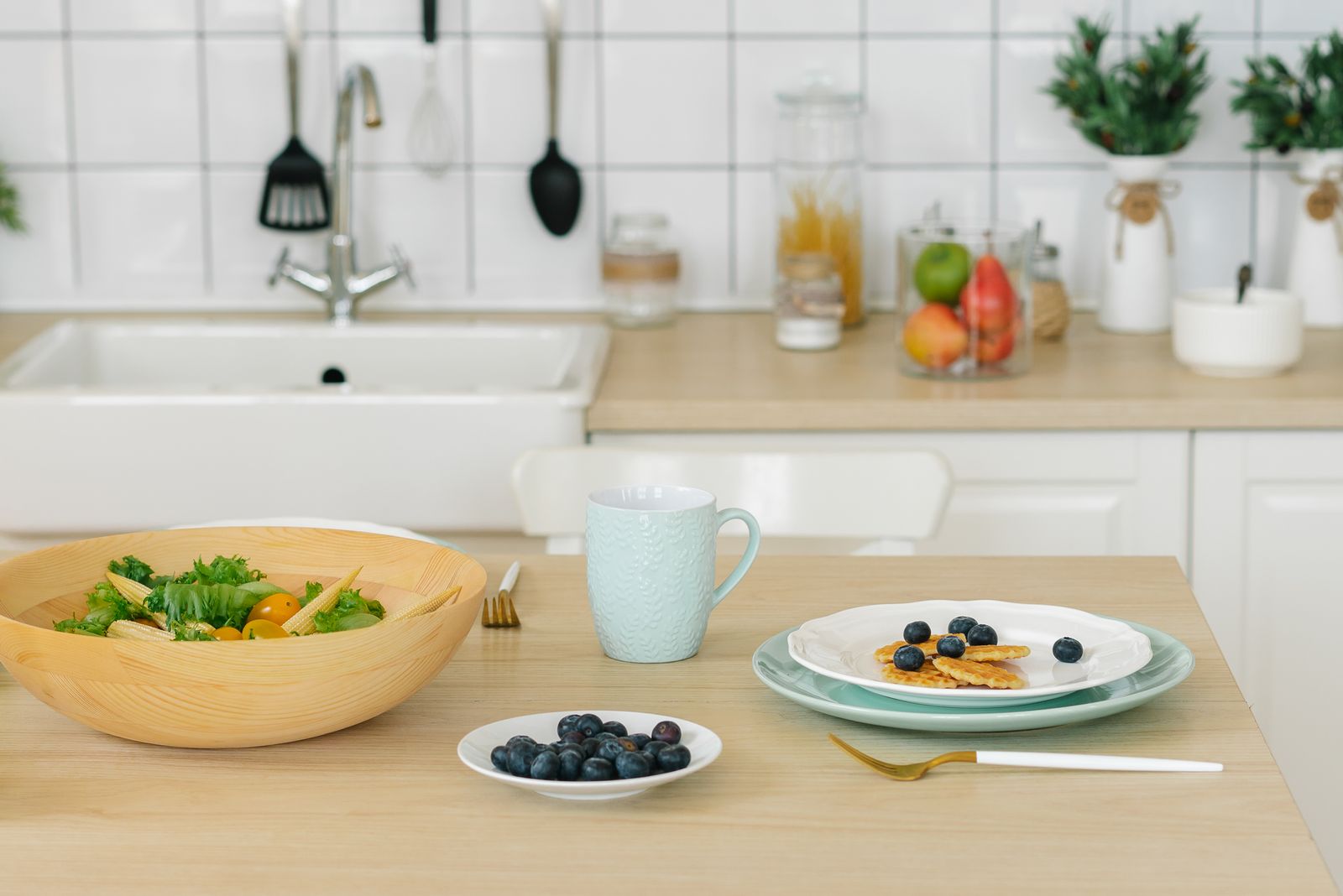
The first ten minutes matter more than most people think. Not because anything dramatic can go wrong, but because a few small habits set the tone for how the bowl ages. Slow down. Do these in order.
Unboxing and inspection: what is normal, what is not
Unwrap the paper, sit the bowl in your hand, and look at it in daylight. Here is what is normal:
- Grain lines that shift in color across the surface. Acacia is not uniform. Streaks of amber, honey, and darker chocolate are the wood telling its own story.
- A faint mill scent. Something slightly nutty, slightly like a wood shop. This fades within a week of use.
- Light color shifts from rim to base. Wood absorbs finishing oil unevenly, and it evens out with use.
Here is what is not normal, and what to email us about: a visible crack, a rim that is not level on a flat surface, or a strong chemical smell that does not fade after airing out for a day.
The rinse: warm water, soft cloth, no soap on day one
Run the bowl under warm (not hot) water. Wipe the inside and outside with a soft cotton cloth. Skip the soap for the first rinse. You are not cleaning anything off. You are letting the wood take in a small amount of moisture so the first oiling absorbs more evenly. Thirty seconds under the tap is enough. Do not soak.
Air-drying position: upside down, never flat on the counter
Set the bowl upside down on a wire cooling rack, a dish rack, or two chopsticks laid across a plate. The point is airflow on both sides. Never lay a wet wooden bowl flat on the counter. Trapped moisture on the underside causes the wood to swell unevenly and lifts the finish. Give it at least six hours of drying, ideally overnight, before the first oiling.

Building your first everyday set
If you are reading this before your bowl arrives and thinking about the everyday four-piece, the Ama set is the one most first-time owners start with.
Shop the Ama Bowl Set →The first oiling, step by step
This is the step people get nervous about. It is easier than it sounds. Read the whole section first, then do it in one calm pass.
When to oil: twenty-four hours after the initial rinse
Wait until the bowl is fully dry to the touch and to the eye. That usually means twenty-four hours after the rinse, though six to eight hours can be enough in a warm, dry kitchen. If the wood still looks slightly darker in patches from the rinse water, it is not dry yet. Wait.
What oil to use, and what to avoid
Two oils are safe: food-grade mineral oil, or fractionated coconut oil. Both are shelf-stable, meaning they will not turn rancid inside the wood grain. Fractionated coconut oil is easier to find in Manila groceries and is our default recommendation for local customers.
What to avoid, and this matters: olive oil, sunflower oil, standard vegetable oil, and virgin coconut oil (the unrefined, aromatic kind). All of these contain unsaturated fats that oxidize over time. Sealed inside the pores of a wooden bowl, that oxidation smells sour and eventually seeps back into food. The rule is simple. If the oil goes rancid in a bottle on a shelf, it will go rancid inside your bowl.
The application method: lint-free cloth, thin coat, with the grain
Pour a small amount of oil onto a lint-free cotton cloth. A teaspoon is plenty for a mid-size bowl. Wipe it across the inside surface, following the direction of the grain, then the outside, then the rim. The goal is a thin, even film, not a puddle. If you can see standing oil, you have used too much. A properly oiled bowl looks slightly darker and slightly damp, not glossy.
The rest period, then the buff
Set the bowl right-side up on a clean cloth and leave it for six to eight hours, or overnight. The wood pulls the oil into its grain during this time. Come back with a fresh clean cloth and buff off any remaining oil on the surface. If the cloth pulls up almost nothing, the wood was ready and drank what it needed. If the cloth comes away oily, you applied too much, and next round you can use less.
Breaking in the bowl over the first month
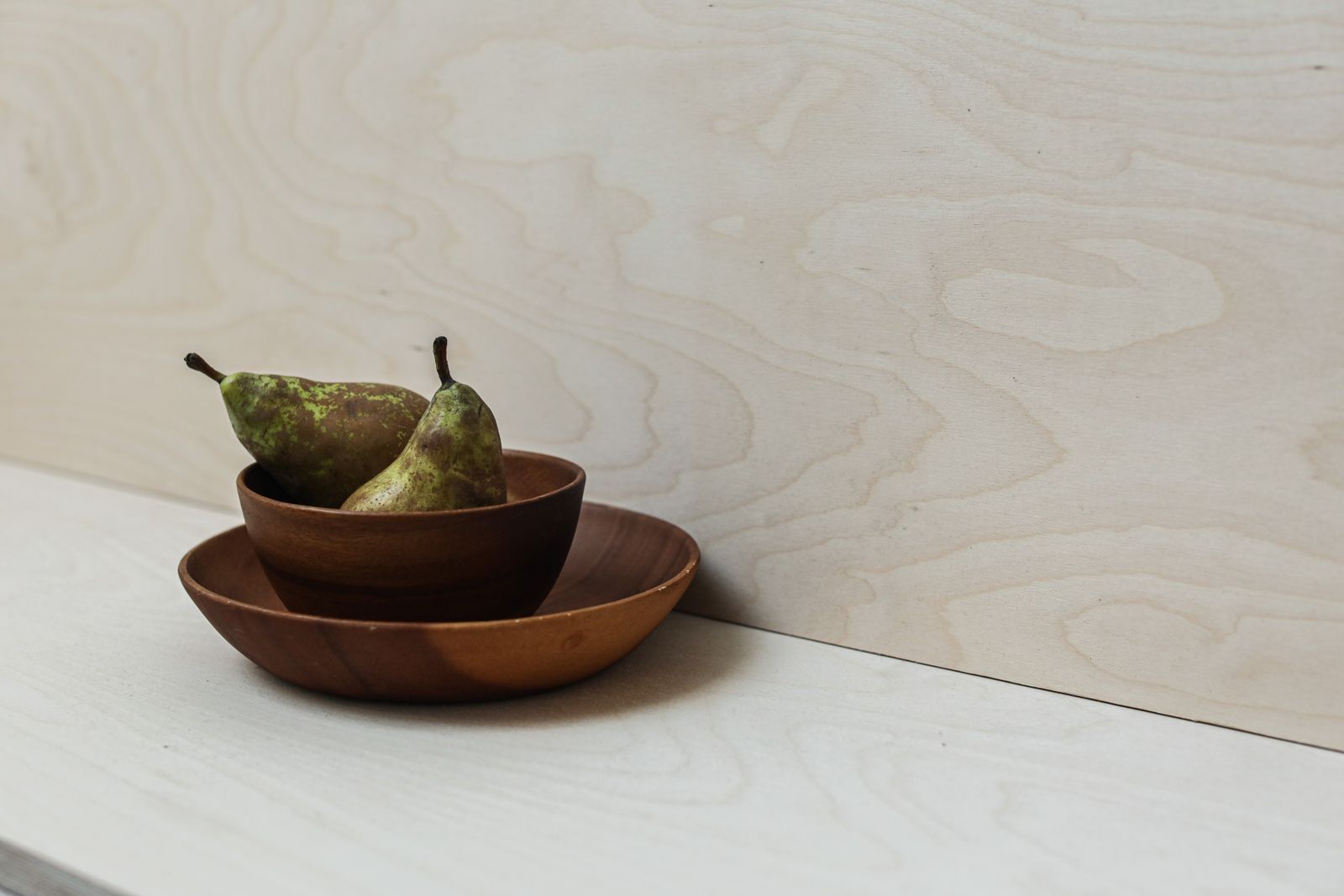
Once oiled and buffed, your bowl is ready for food. But the first four weeks are still a break-in period, not full daily use. Think of it like new leather shoes. You wear them, but you do not run a marathon in them week one.
The first meal: dry rice, bread, fruit
Start dry. A mound of freshly cooked kanin, a few pieces of pandesal, sliced mango or ripe saging. These foods sit on the bowl without saturating the surface, and they let the seasoning layer build without stress. Save the following for after the second oiling in week two:
- Sinigang, tinola, or any brothy soup that would sit in the bowl for more than a few minutes.
- Ulam heavy with suka (kilawin, paksiw, adobo with a strong vinegar note).
- Very hot rice straight from the pot, spread thin so the heat pulls moisture from the wood surface.
This is not a permanent ban. It is a two-week runway. After the second oiling, the bowl handles all of these fine.
Building the seasoning layer through use
Every meal contributes. A little food oil, a little warmth, a little hand contact on the rim. Wash the bowl after each use with warm water and a drop of mild dish soap (soap is fine after day one), dry immediately with a cotton towel, and stand it on the rack for another twenty minutes of air-dry before storing. Do not stack a still-damp bowl with anything else.
Our full care guide for acacia wood bowls covers the wash-and-store rhythm in more detail, and is worth reading once during the first month so it becomes automatic.
Reading the wood: thirsty vs happy
A thirsty bowl looks lighter and duller after a wash, sometimes with a faintly chalky sheen. A happy, well-oiled bowl comes out of a wash still showing depth of grain, dries evenly, and does not raise fibers when you run a finger across the surface. Learn to read this. It is the single skill that keeps a wooden bowl alive for decades.
Second and third oilings: week two, week four
Plan on a second oiling around day fourteen and a third around day twenty-eight. Both follow the same method as the first: clean, dry, thin coat with the grain, rest overnight, buff. After the third oiling, your bowl has a real seasoning layer and moves to a monthly (or as-needed) rhythm.

The set that lives on the kainan table
The Gorosin bowls are shaped for family-style eating, so the seasoning layer builds fast once they enter regular boodle fight rotation.
Shop the Gorosin Bowl Set →Common first-use mistakes to avoid
Almost every cracked or ruined new bowl we hear about traces back to one of four mistakes in the first thirty days. All four are easy to avoid once you know them.
Soaking or dishwashing
This is the fastest way to destroy a new wooden bowl. A wooden bowl left submerged in the sink swells on the water side and stays dry on the air side, and the mismatch cracks the piece within days. A dishwasher is worse: sustained heat, sustained water, and detergent that strips the finishing oil. Never soak. Never dishwash. If food is stuck, use a soft brush and warm running water.
Using the wrong oil
We covered this in the previous chapter but it belongs here too. Olive, sunflower, vegetable, and unrefined coconut oil all go rancid inside the wood. The bowl starts to smell sour within a month or two, and the smell does not come out. If you already used one of these, the piece can sometimes be saved by scrubbing with coarse salt and lemon, drying thoroughly, and re-oiling with mineral oil. Better to just get the right oil from the start.
Over-oiling
More is not better. A bowl that has been slathered in oil and never buffed feels tacky, attracts dust, and picks up lint from cloths and towels. If your bowl feels sticky, wipe it down with a dry cotton cloth for a full minute. If it is still tacky, wipe with a cloth barely damp with warm water, let it dry, and skip the next scheduled oiling.
Storing near heat vents or direct sun
During the break-in month especially, keep the bowl away from the top of the fridge (compressor heat), the countertop nearest the stove, a sunny windowsill, and the exhaust from an aircon or an electric fan. Any consistent source of dry heat pulls moisture from the wood faster than the seasoning layer can hold in, and that is when hairline cracks appear.
What "well-seasoned" looks like after ninety days
Ninety days in, you should be able to tell without touching the bowl that it has been used and cared for. Here is what to look for.
The color deepens
The wood shifts from honey to warm caramel, and the grain becomes more visible instead of less. This is not staining. It is the finishing and seasoning oils fully soaking in, and it is the single most satisfying part of owning wood tableware.
The grain settles and stops raising after washes
In the first two weeks, you may feel a very faint roughness right after a wash. This is the wood fibers lifting slightly with water, and it settles as the seasoning layer thickens. By day sixty, that roughness is gone. By day ninety, the surface stays smooth even after a soapy warm-water wash.
Handing the bowl down
A properly seasoned acacia bowl outlasts its first owner. Filipino kitchens have always understood this. Palayok, kawali, and yes, wooden bowls, get passed from lola to anak, and every hand that touches them adds to the seasoning. That is not marketing language. That is the actual behavior of a well-oiled dense hardwood in daily use. Once the ninety-day break-in is done, your bowl moves onto the same maintenance rhythm as any older piece in the kitchen. Our daily acacia care checklist is the one-page reference we send to owners at the six-month mark.

For the table that hosts
The Manila set was designed for the larger kainan, the birthdays and Noche Buenas where the bowls do the visible work.
Shop the Manila Bowl Set →Frequently Asked Questions
Do I need to season my Dalisay bowl before first use?
Not before first use, no. Your bowl arrives already finished with a food-safe oil layer applied at the workshop. What you are doing over the first month is adding your own layers on top through rinsing, oiling, and normal use. You can technically eat out of the bowl the day it arrives.
What oil is safe for acacia wood bowls?
Food-grade mineral oil or fractionated coconut oil are the two safe choices. Both are shelf-stable and will not turn rancid inside the wood. Avoid olive, sunflower, vegetable, and unrefined virgin coconut oil, all of which oxidize over time and leave a sour smell in the grain.
How often should I re-oil a new acacia bowl in the first month?
Three times in the first month is a good rhythm. Oil once within twenty-four hours of the initial rinse, again around day fourteen, and a third time around day twenty-eight. After that, once a month or when the wood starts to look thirsty is enough.
Can I put warm rice in a brand-new acacia bowl on day one?
Warm kanin is fine on day one after the first rinse and oiling have been done. Very hot rice straight from the pot is better held off for a week or two, because sustained heat pulls moisture out of a still-adjusting bowl. Let hot rice steam off for a minute before serving.
Why does my new bowl feel slightly rough after the first wash?
That is grain raising, and it is completely normal. Water lifts a few of the topmost wood fibers, and they stand up until the surface dries. As the seasoning layer builds through the first month, this stops happening. If it feels rough enough to bother you, buff with a soft dry cloth after drying.
Is the faint wood smell from my new bowl normal?
Yes, and it fades within about a week of regular use. A new acacia bowl carries a light nutty scent from the wood itself and the workshop finishing oil. If the smell is chemical, sour, or does not fade after airing the bowl out for a day, contact us. That is not normal.