The Patron Saint and the Open Door
A fiesta is not a party. Call it that and any tita within earshot will correct you, gently, the way she corrects a child holding a fork wrong. A party is a private occasion. A fiesta is a town's annual covenant, with its patron saint and with itself. One day a year, a barangay decides that no door will be closed, no plate will be small, and no guest, invited or not, will leave hungry.
This is the part that confuses people who did not grow up inside it. You can walk into a stranger's home on fiesta day. You can sit at a long table you have never seen before, beside people who do not know your last name, and the host will fill your plate twice before you have finished the first round. There is no awkwardness about it because the day itself dissolves the usual rules. The patron saint has been asked, through a nine-day novena, to bless the town. The town responds by becoming, for twenty-four hours, a single household.
A calendar measured in saints
San Roque in August. San Isidro Labrador in May, patron of farmers. The Santo Nino in January. Apung Iru, the river-borne San Pedro of Apalit, in late June. Each Philippine town carries the name of a saint or a Marian title above its church doors, and that name organizes the calendar more reliably than the secular months do. Lola does not say "we will visit in October." She says "we will visit for the fiesta of the Santo Rosario." The food, the family return, the cousins flying in from abroad, all of it orbits a feast day fixed centuries ago by a Spanish friar.
The novena is the slow build. Nine evenings of Mass, of rosaries said in the half-light of a church already humid from the day's heat, of small offerings carried up to the altar. By the ninth night, the women of the household have already begun the marinades. The pig has been ordered. The rice has been carried in sacks. The patron saint is being asked to bless what is about to happen at the table, and the table is being prepared to receive what the saint has already given.
Pampanga, Where the Kitchen Defines the Town
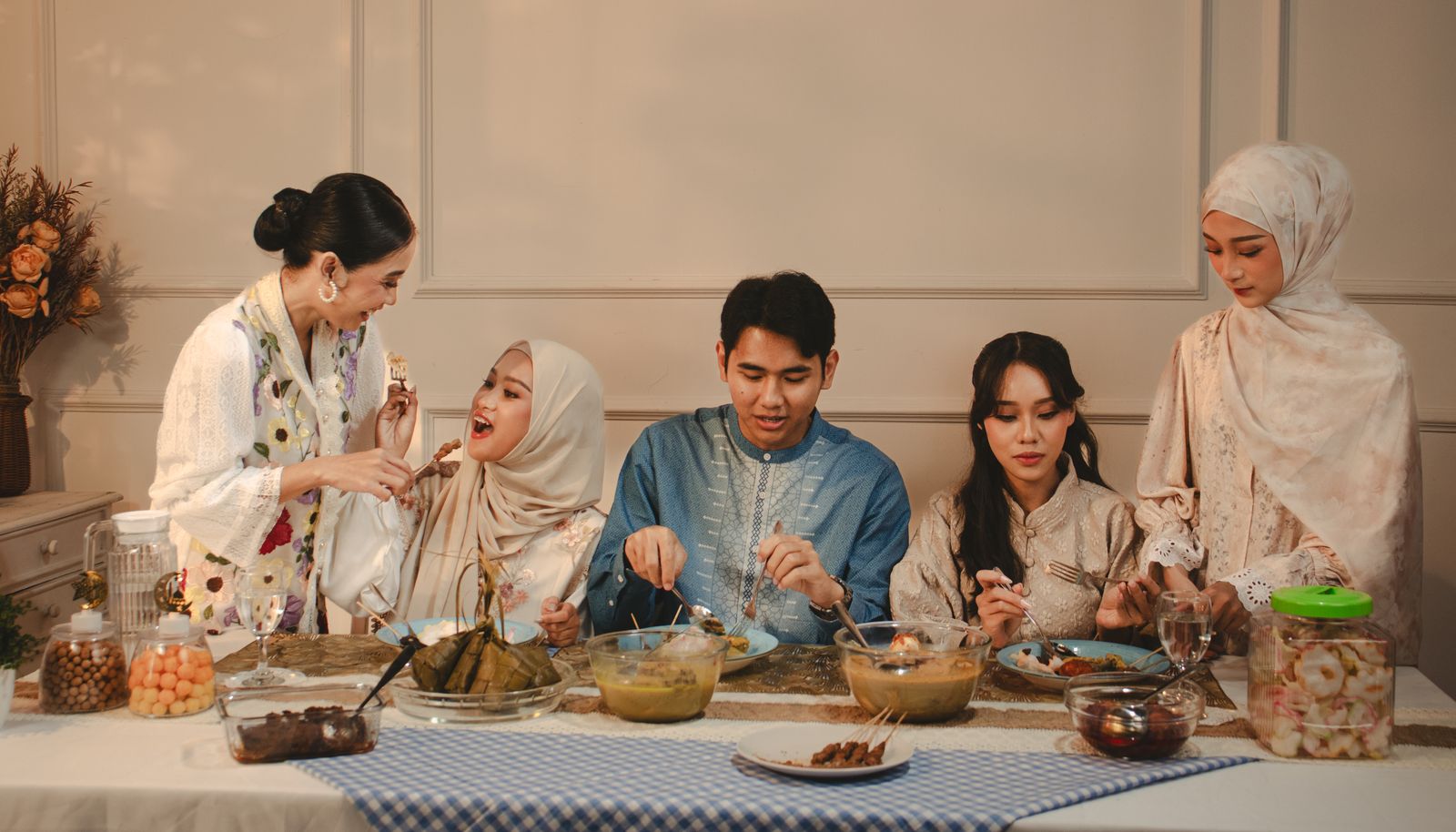
If you ask a Kapampangan where the best Filipino food lives, the answer arrives before the question finishes. Pampanga. Of course Pampanga. The province has built so much of its identity around the kitchen that the title of culinary capital is treated less as opinion and more as fact, recorded somewhere in a register too old to dispute.
The fiesta is where that identity becomes public. In Apalit, the Apung Iru fiesta in late June moves the image of San Pedro down the Pampanga River in a fluvial procession, accompanied by hundreds of boats, brass bands, and the smell of charcoal coming from every riverbank house. By the time the saint returns to the church, the tables along the riverside towns have been set for eight hours. The cooking started before dawn.
A Kapampangan kitchen on fiesta day does not measure ingredients. It measures generations. The lola at the stove is cooking the morcon the way her lola cooked it, and the granddaughter watching is already memorizing the next version.
The dishes that only appear once a year
Lechon is the obvious headline, but the supporting cast is what reveals the province. Morcon, the slow-rolled beef stuffed with sausage, egg, and pickle, takes the better part of a day to assemble and another to braise. Embutido, its lighter pork cousin, gets sliced into discs that travel well on a wooden board. Tibok-tibok, the carabao milk pudding finished with a slick of latik, appears for dessert in quantities a normal Sunday would never justify. Sisig, before it became a bar food everywhere, was a fiesta dish, the head of the pig transformed into something the table could share.
The cook behind all of this is, in Pampanga, a town figure. Sometimes it is a tita who has cooked for fiestas her entire adult life and is now consulted by half the barangay on questions of timing and seasoning. Sometimes it is a hired magluluto, brought in days early, given the run of the kitchen and the deference of the household. Either way, the cook's name will be remembered. Guests will ask, weeks later, who made the kare-kare. The answer matters.
Bulacan and the Politics of the Long Table
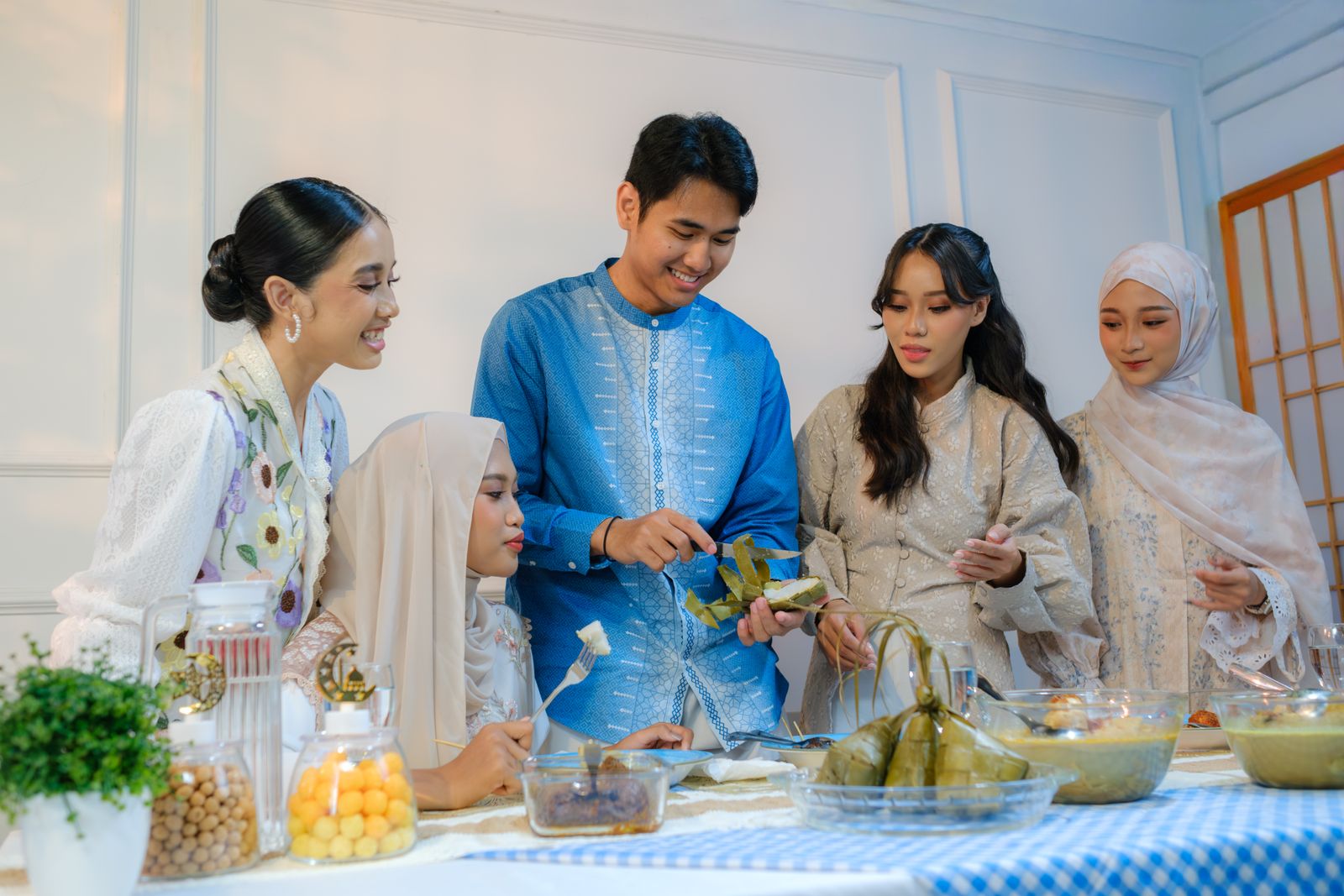
Bulacan does not argue with Pampanga about the kitchen. It argues, quietly, about the table. The province that gave the country its first republic also gave it a particular register of hospitality, formal where Pampanga is exuberant, layered where Pampanga is loud. In Malolos, in Plaridel, in Obando, the fiesta table is longer than the dining room. It has to be. Furniture is pushed against walls, plywood goes across sawhorses, and a single uninterrupted surface runs from kitchen to sala.
The Bulakeno accent shows up in the dishes. Pancit malabon, heavier and more orange than its Manila cousin, is set at one end. Kare-kare arrives with a separate bowl of bagoong alongside it, never pre-mixed. Leche flan is offered in slabs cut from rectangular llaneras, not the small ovals of weeknight dessert. Inihaw na liempo gets sliced into strips and laid across banana leaf so guests can pick up pieces without needing a serving spoon at all.
Who feeds whom, and the unspoken contract
In a town fiesta, families negotiate guests the way diplomats negotiate territory. The mayor's office takes the politicians. The doctor's house takes the visiting professionals. The teacher's house takes the schoolchildren's relatives. By mid-morning, every household has a rough sense of who is heading their way, and the planning has accounted for it. None of this is written down. It is the kind of choreography that only works because everyone has been rehearsing it since childhood.
The deepest part of the contract is the part nobody articulates: a stranger at the door is fed. This is not symbolic. It is operational. Extra rice is cooked specifically for the people who were not expected. Extra plates are stacked on the counter for the same reason. The cultural logic behind this open-door reflex runs through every layer of Filipino hospitality, and it is one of the threads we trace in the heart of Filipino dining traditions. The fiesta is the day this logic stops being implicit and becomes the entire point.
What Actually Goes on the Fiesta Table
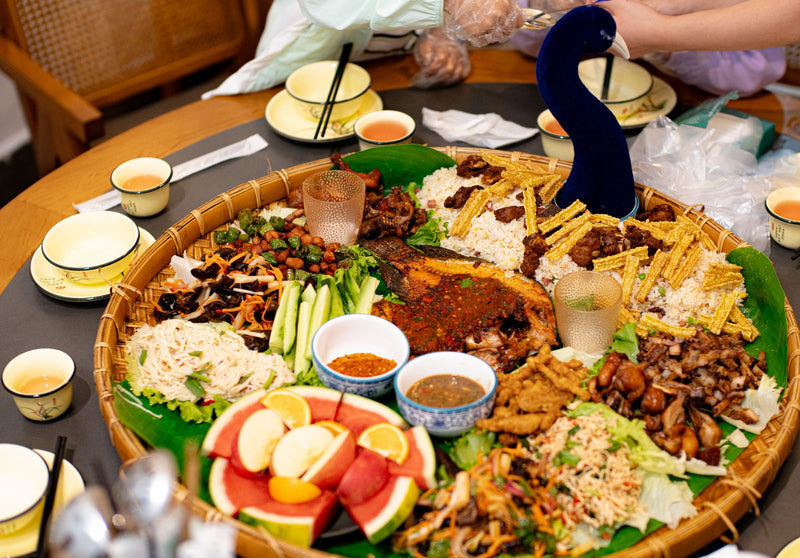
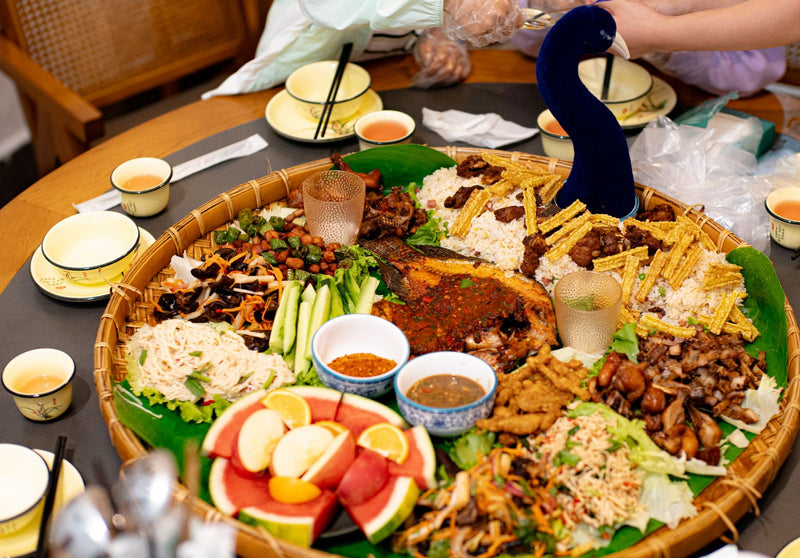
Picture it. A long surface, often two or three tables joined and covered with banana leaves overlapping like green roof tiles. At the center, lechon, whole, glossy, the skin still cracking as it cools. Around the lechon, in deliberate spacing, the supporting cast: a deep wooden bowl of kare-kare, its peanut sauce thick enough to hold a spoon upright. A long board of pancit, the noodles dressed and garnished and still warm. Lumpiang shanghai stacked in a pyramid that will be dismantled within twenty minutes. A tureen of sinigang at the corner closest to the kitchen because it will need refilling. Adobo in clay pots. Rice in covered baskets, also banana leaf lined, because porcelain bowls would not survive the day.
Why wood does what ceramic cannot
Ceramic does not hold this scale. A whole lechon will crack a porcelain platter under its own weight, and a serving bowl of kare-kare for forty people needs structural integrity that fine china was never built for. This is why fiesta tables, almost without exception, lean on wood. Acacia bowls deep enough to hold soup for a dozen. Long boards that carry lechon from kitchen to table without flexing. Trays sturdy enough to be lifted by two people without anyone wincing. The same logic that shaped the boodle fight, where banana leaf is laid directly across wooden surfaces, runs through fiesta hosting in general. The material has to match the ambition.
A pamilya board set earns its keep on a day like this, holding the lechon and the pulutan and the second round of grilled liempo without complaint. The boards do not chip. They do not crack when a heavy clay pot is rested on the edge. They carry the food, and at the end of the night, they get wiped down and stacked, ready for the next occasion that asks too much of the table.
The second wave at four o'clock
The fiesta table is not a single event. It runs in tides. The first wave arrives after morning Mass, around eleven, and stays through lunch. By two, the table has been cleared and reset. By four, the second wave begins: merienda, which on a fiesta day is not a snack but a full second meal. Bibingka, puto bumbong if the season allows, suman, kakanin in every regional accent, and always, always, hot chocolate or salabat in mugs that nobody has time to wash between guests. The desserts that were not served at lunch come out now. The leche flan reappears. The ube halaya, which has been chilling all morning, is finally cut.
By seven, the procession is moving through the streets and a third wave is at the table: cousins who drove in from Manila, the priest after the evening Mass, neighbors who could not come at lunch. The kitchen, which started at four in the morning, will not close until close to midnight.
The Choreography of Hosting Hundreds
No one sits down for a fiesta. Or rather, only the guests sit down. The hosts move. They move from kitchen to table to door and back again, in a loop that does not pause until the saints are returned to the church and the band stops playing. The choreography has rules, and the rules are old.
People eat in shifts. The first plate goes to the eldest visitor, or to the priest if the priest is present. The children eat second, often at a smaller table set up in the kitchen so the main table stays clear for adults. Then the working guests, the ones who came from far. Then friends. Then, somewhere in the late afternoon, the host finally takes a plate, often standing, often near the stove, often eating the burned edges of the lechon skin because those are the bits no guest would take.
Pasalubong and the food that goes home
The fiesta does not end when guests leave. It ends when the food does, and the food is engineered to outlast the day. Every household stockpiles plastic containers, foil pans, brown paper sacks. At the door, as guests put on their shoes, the host is already wrapping. Lechon goes home with the neighbor who came alone. Pancit goes home with the family who brought the children. Kakanin goes home with the lola who admired it at the table. This is balutan, the act of sending food home, and it is not an afterthought. It is the closing ceremony.
The same instinct shows up at every Filipino gathering, but at the fiesta it operates at industrial scale. The cooked rice that is left at the end of the night becomes the breakfast of three neighboring households. The lechon carcass is broken down for paksiw the next morning. Nothing wastes, because nothing was cooked carelessly, and everyone who left with a balutan bag will, when their own fiesta comes around, send food back.
Bringing the Fiesta Spirit to a Smaller Table
You do not need a town to host like a town. Most of us, especially abroad, will never throw a fiesta in its full provincial scale. We have a dining room, not a sala that opens onto a barangay street. We have twelve guests, maybe twenty, not three hundred. The question is whether the spirit translates, and the answer is yes, but only if you understand which parts of the fiesta are scaleable and which are not.
The dish list scales down cleanly. A whole lechon becomes a lechon kawali or a roasted pork belly. The four soups become one. The eight side dishes become three. The fiesta logic of variety still applies, but the unit drops. What does not scale down is the abundance. A fiesta table is generous before it is impressive, and a small fiesta-style spread that runs out of food at the halfway point has missed the point entirely. Cook more than you think you need. Pull out a family hosting set for twelve and lay it heavily. Leftovers are not failure. They are the next day's breakfast and the neighbor's balutan.
The pieces that hold the abundance
Choosing the right serving pieces is not aesthetic. It is structural. A small platter forces small portions, which signals scarcity, which is the opposite of the message a fiesta sends. The boards and bowls have to be visibly large enough to hold the spread. If you are scaling up past twenty guests, a royal hosting set is closer to the right register, the kind of pieces a Bulacan household would already have stacked in the dining room cabinet, brought out only for occasions of weight.
For groups closer to handaan scale, the smaller-celebration logic, the same one we trace in the Filipino birthday feast, applies. You do not need a fiesta to host a fiesta-spirited meal. You need a long board, a deep bowl, a willingness to cook past the point of comfort, and a door that opens easily.
One habit that turns any meal into a fiesta
The single habit, the one that carries over from the town fiesta to the most intimate dinner, is this: keep the door open. Not literally, not in every climate, but in posture. Cook for one more than you expect. Set one extra plate. Tell guests, the moment they walk in, that they can bring anyone. Send people home with food whether they asked for it or not. This is the same logic that runs through pakikisama at the Filipino table: the meal is a vehicle for belonging, not a transaction. The fiesta makes it loud. The Tuesday dinner can make it quiet. The instinct is the same.
The fiesta is the loudest expression of a quieter Filipino habit. We do not measure a meal by what is on the plate. We measure it by who is in the room, and whether they leave heavier than they came.
Somewhere in a Pampanga kitchen tonight, a tita is already pulling out the molds for next May's tibok-tibok. In a Bulacan dining room, a lolo is dragging the long table out of storage, checking the legs for the fiesta still months away. The novena has not started. The saint has not been carried out of the church. The guests have not arrived. But the door is already open. It always was.