

The Word We Cannot Translate
The first time someone outside the culture asks what pakikisama means, you reach for an English equivalent and feel it slip out of your hand. "Getting along," you say, and the other person nods, and you both move on. But you have shortchanged the word. You have shortchanged yourself.
Pakikisama begins with the root sama, which means "with," "alongside," "accompanying." The prefix builds it into a way of being, the practice of going with, of being among, of staying in step. It is not a feeling. It is not even an attitude, really. It is a way of moving through a room, through a conversation, through a meal, where the temperature of the group matters as much as the position you happen to hold inside it.
Filipinos resist a single English translation for the same reason a musician resists translating a chord into a single note. The word does too much work. It carries deference and warmth and patience and the willingness to soften your edges without disappearing. There is no English word for that. There is barely a Tagalog word, which is why we kept this one.
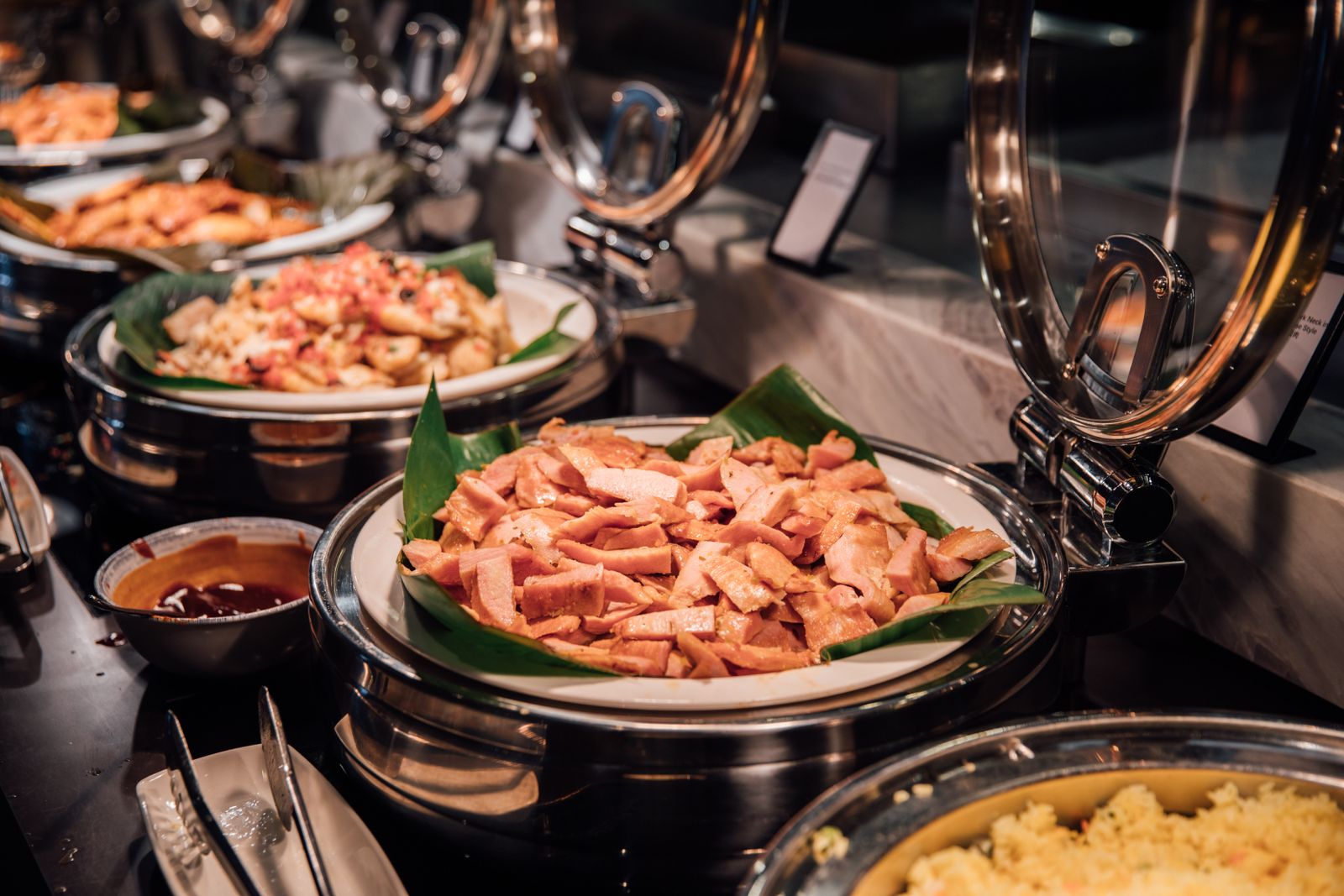
At the Table, Pakikisama Becomes Visible
Theories are easy to argue about. The table is harder to argue with. If you want to understand pakikisama, you stop reading and you sit down to eat with a Filipino family.
Notice what happens with the rice. It does not arrive in individual portions. It comes in a single mound, in a bowl big enough to hold the appetite of everyone in the room, and the spoon stays in it as a kind of invitation. The mound is not just rice. It is a small geography that everyone shares, and the act of reaching into it is the first quiet contract of the meal.
Notice the hands. Someone refills your glass before you notice it was empty. Someone slides the patis closer because they saw you eyeing the kalamansi. The plate of lechon kawali is rotated by half a turn so the crispy edge faces the youngest cousin, who has not yet learned to ask. Nobody narrates these moves. They just happen, the way breath happens.
Notice the pace. Filipinos eat at the pace of the slowest person at the table. Not the youngest, not the eldest, the slowest. The fast eater finishes a plate and waits, refills a glass, picks at a piece of fruit, but does not push the meal forward. This is pakikisama in the body language of an ordinary Tuesday lunch.
Pakikisama is not a word. It is a posture.
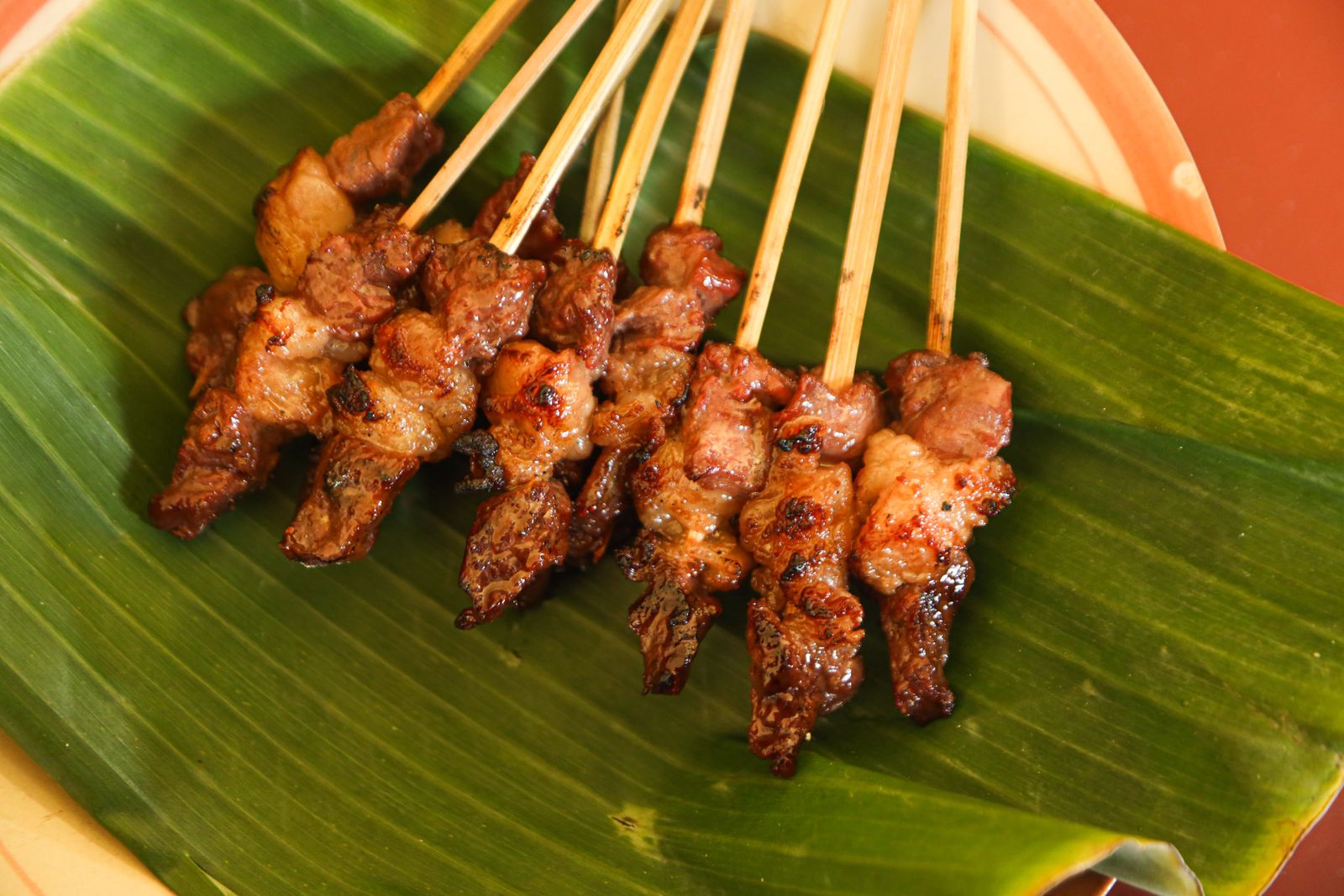
The Quiet Rules No One Teaches You
If you grew up at a Filipino table, you absorbed a set of rules without anyone sitting you down to recite them. The fact that they were never explicit is the point. They were transmitted through repetition, through being corrected gently, through the small embarrassment of getting it wrong once and learning the texture of the correction.
You wait for the eldest before lifting your spoon. Not because the eldest will scold you, but because beginning the meal is their privilege and your acknowledgement is the first sentence of the meal's grammar. In some families this is formal, with a nod or a quiet "kain na." In others it is just a habit, a brief pause that no one names.
You leave the last piece on the platter. This is the famous "Filipino piece," and the rule is not that the piece is sacred, but that taking it would be choosing your appetite over the room. So it sits there. Eventually someone offers it. Eventually someone insists. Eventually it goes to the person who needs it most, who is usually not the one most willing to take it.
And the host's plate is the last to be filled. The host serves outward first, asking after each guest, refilling, replenishing, monitoring the rice supply, and only when the room is fed does the host sit down properly. The work is not performed for praise. The work is the love.
When Pakikisama Bends, And When It Holds
This is the harder part of the story, the part that careful writing about Filipino values often skips. Pakikisama has a shadow. When it tilts too far it becomes the swallowed disagreement, the unspoken resentment, the smile that holds back a sentence that should have been said. We have all seen it. We have all done it. In offices and in family group chats and in the way a tito changes the subject when something uncomfortable comes too close.
The cost of pakikisama is real. It can become a way of preserving the surface of a relationship at the expense of its substance. It can train a person to swallow conflict rather than work it through. The same posture that makes a Filipino table feel like home can, in another room, make hard truths impossible to say.
But here is the thing that the table teaches. At the table, pakikisama works without that cost, or with very little of it. Because the medium is food, and food is generous, and the rituals around eating give the value a place to live that is not about agreement. You do not have to agree with your tita's politics to pass her the suka. The shared meal does not demand harmony of opinion. It demands harmony of presence. That is a much lower bar, and a much more honest one.
This is why Filipino families can host a long evening that contains a serious disagreement and still end with everyone reaching for the same plate of bibingka. The table holds what the conversation cannot. The food becomes the medium that lets pakikisama breathe.
Why the Vessel Matters
This is the part that has taken me years to learn, and I will say it plainly. The vessel changes the value. A shared bowl invites pakikisama. A row of identical individual plates discourages it, very gently, without anyone noticing. The architecture of the meal is the architecture of the relationship.
Think about what a deep wooden serving bowl does. It sits in the middle of the table. It is too large to claim. It is meant to be reached toward. The act of using it is already a small act of pakikisama, because you are coordinating with the other hands in the room. This is part of why Filipino dining traditions have stayed so loyal to communal vessels, even as plate cultures spread around them.
The shared bowl asks something of you that the individual plate does not.
Acacia carries this well. The wood is dense, warm, heavy enough to feel like a fixture of the table rather than a stage prop. A piece like the Manila bowl set sits in the middle of a meal and does what a serving bowl should do, which is to be unmissable without being loud. The handaan, the salu salo, the boodle fight, every one of these is built on the assumption that the vessel is shared. Read about the texture of those gatherings in our piece on salu salo and pakikisalo and you will see the same logic. Shared vessels do not just hold the food. They hold the practice.
This is why we make what we make. The family hosting set exists because a family that hosts well needs pieces that disappear into the meal rather than competing with it. The plates and bowls in the Ina plate set are sized to the rhythm of a Filipino kainan. None of this is about decor. It is about giving pakikisama a vessel to live in.
Carrying Pakikisama Across Distance
The hardest test of pakikisama is distance. A Filipino household in California, or Toronto, or Riyadh, faces a different room than the one in Quezon City or Bacolod. The cousins are far. The lola is on a screen. The lechon is replaced with whatever the local butcher can manage. And yet the value does not have to thin out.
The diaspora keeps pakikisama alive in small, stubborn ways. The video call at dinner time so the parents can eat with the children. The balikbayan box that arrives as edible pakikisama, with tuyo and dried mango and the specific brand of corned beef that means home. The Sunday lunch that runs four hours because the point was never the food. It was the room.
Children in the diaspora learn pakikisama the same way every Filipino child has learned it, which is by being in the room while it is being practiced. You cannot lecture pakikisama into a child. You can only seat the child at the table and let the rituals happen around them. They will absorb the pace, the reaching, the leaving of the last piece, the watching of the eldest. The next time they host their own meal, twenty years from now, they will not remember being taught any of this. They will just do it.
This is why the table matters more than any other room in a Filipino home. It is where the value goes to stay alive. Read our companion piece on the handaan and you will see the same idea from a different angle. The room can change. The pieces on the table can change. The country can change. The practice, if you give it a vessel and a few quiet rules, does not change at all.
That is pakikisama. Not the polished translation. The thing itself.