Every homeware aisle sells the promise of "premium wood," but only some pieces are still on the table ten years later. If you have replaced a wooden bowl or a bamboo board more than once, you already know the difference between wood that lives with you and wood that quietly falls apart. Acacia sits firmly in the first category. This is a closer look at the five structural reasons acacia outlasts most other woods sold for the Filipino kitchen, and why one solid acacia set often outlives three cycles of cheaper alternatives.
Reason 1: The density that resists dents, chips, and drops
Hardness is the first thing you notice, and the last thing that fails. A bowl or board that dents when a spoon lands too hard, or chips at the rim when it hits the sink, tells you everything about how it will look in five years. Acacia's density is the reason the surface stays honest.
Where acacia sits on the Janka scale
The Janka hardness test measures the force needed to embed a small steel ball halfway into a wood sample. It is the standard number cabinetmakers and floor manufacturers use to rank durability. Acacia, depending on species, sits between 1,700 and 2,300 pounds-force. The common tableware species, Acacia mangium and related tropical acacias, land close to 1,750. For context: European oak is around 1,360, black walnut is 1,010, hard maple is 1,450, mango wood is roughly 1,070, and most flat-pressed bamboo boards used for tableware fall in the 1,300 to 1,400 range. Acacia is meaningfully harder than every one of those.
What that means at the kainan table
Density is not just a number. It is why a knife mark on an acacia serving board stays shallow, why a dropped tinidor does not leave a permanent scar, and why the rim of a bowl does not crumble when stacked warm from the dishrack. On a softer wood, the same daily use accumulates a rough surface within a year. On acacia, the marks are shallow enough that a light sand and re-oil brings the piece back to something close to new. Density buys forgiveness.
Why hardness matters more in a busy kitchen
A Filipino household kitchen is not a light-use kitchen. Kanin gets scooped hot, ulam gets ladled from the same bowl by three or four hands, plates get stacked on the counter while sinigang finishes on the stove. Every one of those moments is small impact stress on the wood. Softer species take that stress in the surface. Acacia takes it in stride.

The bowl built for daily kainan
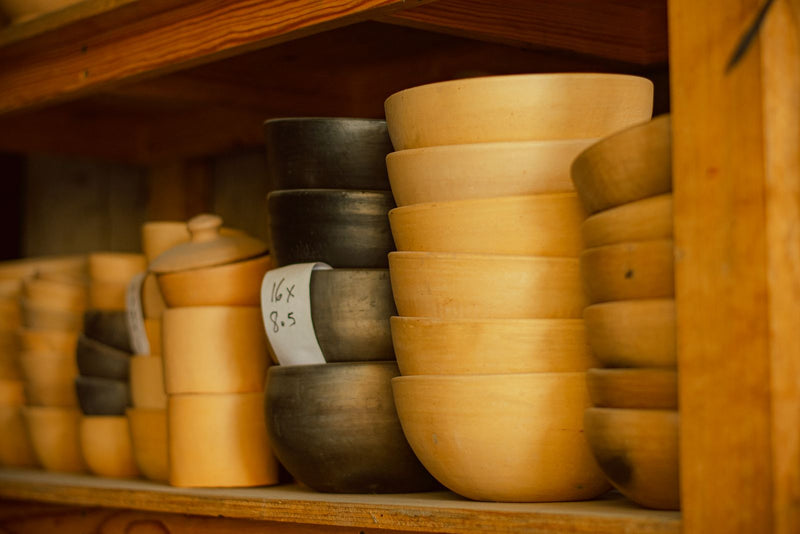
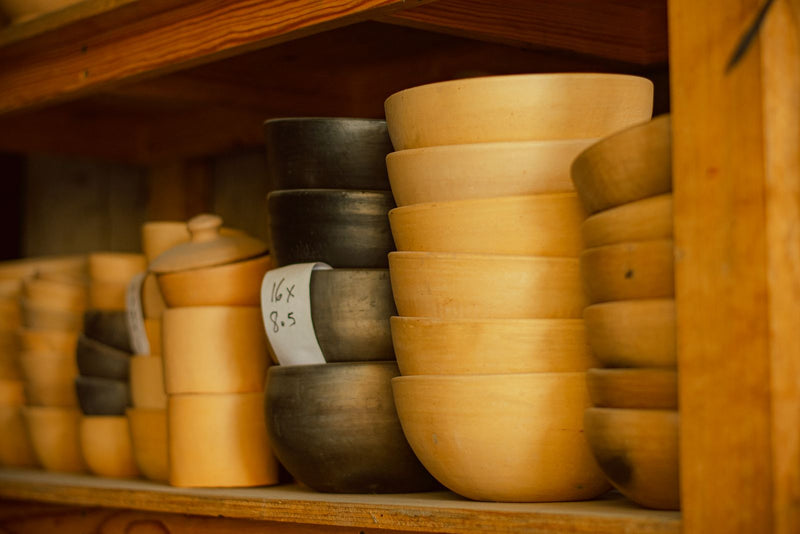
If hardness is what you are buying, the Gorosin bowl set is where you feel it first: dense acacia grain, no laminations, a rim that survives the sink rack for years.
Shop the Gorosin bowl set →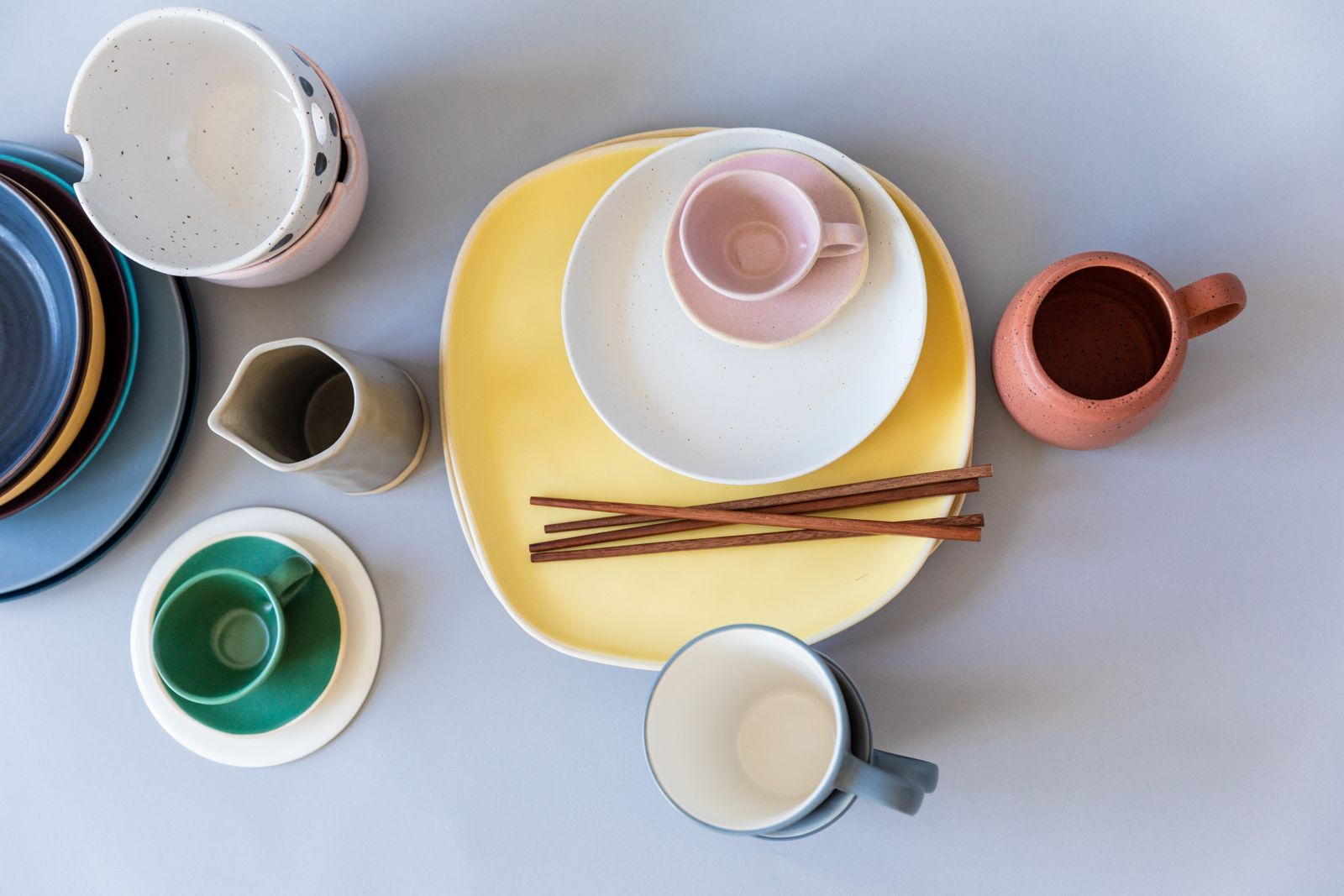
Reason 2: Solid piece construction, with no glue lines to fail
The second reason is structural, and it is the one most shoppers miss because it is invisible on the shelf. A solid acacia bowl is one continuous piece of grain. Many other "wooden" pieces are not.
What "solid wood" actually means
When acacia is turned or carved for tableware, the piece comes out of a single block of kiln-dried timber. There is nothing in the middle but wood. No adhesive, no laminated strips, no pressed fibers, no resin binder. The grain you see on the outside runs continuously through the piece. That matters because every stress the piece takes, from heat to moisture to impact, is absorbed by one homogeneous material.
Why laminated and engineered wood fails first
Compare that to the engineered pieces that fill most homeware aisles. Bamboo tableware is thin grass strips glued into a block. Engineered mango and rubberwood pieces often use finger-jointed offcuts bonded with adhesive. Pressed wood serving trays are wood particles held together by resin. In each case, the object is only as strong as the glue holding it together. Water creeps into a seam, the adhesive weakens, and the piece delaminates from the inside out. A delaminating bowl is a finished bowl. There is no repair. For a fuller side-by-side, our notes on acacia vs bamboo tableware walk through the specific failure modes to expect from laminated construction.
The stress test acacia already passes
Solid wood can crack. It cannot delaminate, because there are no laminations. That single fact removes the most common failure point in wooden tableware. It is why an acacia piece that survives its first year almost always survives its tenth. The initial cost is higher than a glued bamboo bowl, but the failure curve is completely different. Acacia does not have the sudden mid-life collapse that laminated pieces do.
Reason 3: Natural oils that shrug off moisture
The third reason lives inside the grain. Acacia is naturally oily wood, and those oils are a large part of why it survives a Filipino kitchen without complaint.
Why acacia repels water better than most hardwoods
Acacia has a dense cell structure with tight, interlocking grain, and the wood carries natural resins that slow water absorption. When you set a wet mango slice on an acacia board and wipe the surface a minute later, the water beads and lifts. On a more porous wood like beech or birch, the moisture is already soaking into the surface. That difference in absorption is the difference between a board that stays flat for a decade and one that begins cupping in its second monsoon season.
Suka, patis, and sinigang: the daily acid test
Filipino cooking is acidic and salty by nature. Suka goes into everything, patis lands on grilled fish, kalamansi juice hits pancit, and sinigang broth comes hot off the stove. Softer, more porous woods absorb those liquids, and the acids raise the grain, dry out the wood, and eventually stain the surface. Acacia's density and natural oil content mean the surface holds those liquids on top long enough to wipe them off. The wood stays sealed against exactly the ingredients a Filipino table serves every week.
What Manila humidity does to lesser woods
Humidity is the quiet destroyer of cheap tableware. When a bowl absorbs and releases moisture with the weather, it expands and contracts. Over enough cycles, the grain lifts, seams pull apart on laminated pieces, and cracks widen on softer solid woods. Acacia moves less because it absorbs less. Small expansion and contraction still happens, but the grain returns to shape as it dries. This is the same reason acacia is a favored species for outdoor furniture in tropical climates: it lives with humidity instead of fighting it.

Plates that stay flat through the years
If moisture resilience is what convinces you, the Ina plate set is the everyday dinner plate in solid acacia, one piece of grain, finished to be re-oiled and returned to service for years.
Shop the Ina plate set →
Reason 4: A finish you can refresh at home, forever
Every wooden piece eventually shows wear. What separates the ones you keep from the ones you throw out is whether that wear is fixable. Acacia is one of the few tableware materials designed to be refreshed by the person who owns it.
The difference between food-safe oil and sealed finishes
Most solid acacia tableware is finished with food-safe mineral oil, a beeswax blend, or a similar natural coating. That finish penetrates the wood, protects the surface, and can be reapplied any time the wood starts looking dry. Compare that to bamboo tableware sealed with melamine resin, or engineered wood pieces coated in polyurethane or lacquer. Those finishes sit on top of the material. When they wear through, you cannot rebuild them at home. The piece is essentially finished as a food-contact surface. Our guide on is acacia wood food safe covers the finish question in detail.
The five-minute care routine that adds years
Refreshing acacia is not skilled work. Wipe the piece dry, apply a small amount of food-safe mineral oil or a beeswax blend with a clean cloth, let it absorb for twenty minutes, buff off the excess. That is the whole ritual. Do it every month for a serving board that sees daily use, every three months for a bowl that lives in the cupboard between meals. The wood drinks the oil, the surface deepens, and the piece looks better than it did in year one. Common mistakes are covered in our acacia care mistakes notes.
Why refreshable finish is a longevity feature
A material you can maintain is a material you can keep. This is the quiet advantage that compounds over years. A bamboo bowl with a worn melamine layer becomes a piece you replace. An acacia bowl with a tired surface becomes a piece you re-oil on a Saturday morning. Same category of object, completely different relationship. This is also the reason acacia pieces can genuinely be handed down. There is no expiration on the surface, because you can rebuild it whenever the wood asks.
Reason 5: Grain that deepens with use, not fades
The fifth reason is not structural, but it is the reason the first four matter. A material that only survives is not enough. The pieces you keep for a generation are the ones that get better with use, and acacia is one of the few kitchen materials that does.
How acacia's grain changes over the years
Acacia comes to the table with wild, warm grain, ranging from honey through amber to walnut brown within a single piece. Over time, contact with food, oil, and light gently deepens those tones. The lighter streaks warm, the darker grain settles, the whole surface pulls toward a richer, more unified color. Small marks from years of use become part of the piece's history rather than damage on it. In furniture terms, this is patina, and it is what turns a functional bowl into an heirloom.
Patina vs damage: the meaningful difference
Damage is when a material fails to do what it was made for. Patina is when a material shows evidence of doing exactly what it was made for. On plastic, wear is damage. On melamine-sealed bamboo, wear is damage. On solid acacia, wear is patina. That distinction is what separates tableware you replace from tableware you inherit. A bowl your grandmother served kanin from at your first birthday is not a worn-out bowl. It is a bowl with a story pressed into the grain.
Why aged acacia is what shows up in heirloom sets
Walk into any old family home in the Philippines and the wooden pieces on the table are almost never new-looking. They are darker, softer to touch, deeper in tone, marked by decades of use. That look is not decorative aging. It is what happens when solid hardwood, finished with oil and used every week, ages the way it was meant to. Buying acacia now is buying that trajectory: a piece that will look better in twenty years than it does today.
Choosing acacia for the table you keep
Five reasons is the anatomy. The decision is simpler than the biology suggests. If a piece is meant to stay on your table for the next decade or two, and see daily use in a Filipino kitchen, acacia is the material that answers that brief without asterisks.
The buy-once math
The upfront price of solid acacia is higher than most cheaper wooden alternatives. The cost-per-year of use is not. A bamboo bowl replaced every three years at a lower sticker price still costs more over a decade than one acacia bowl bought once. Add in the shipping, packaging, and waste of those replacement cycles and the gap widens. Longevity is a form of value the price tag never shows.
Which piece to start with
If you are just introducing acacia to your kitchen, the highest-impact pieces are the ones that get daily use. Bowls for kanin and sabaw. Plates for ulam. A serving board for the ulam that comes to the middle of the table. Start where the material earns its keep, and let the collection grow from there. For a broader look at species, care, and choosing, our complete acacia wood guide covers the full picture, and if you are weighing hardwood against hardwood, our acacia vs teak tableware comparison sits alongside it.
Care that keeps the trajectory going
The care is minimal, and forgiving. Hand wash with mild soap, wipe dry, never soak, never dishwasher. Oil every one to three months depending on use. Skip the microwave. Store in a spot with normal room airflow, not directly next to the stove. That is the whole routine. Done consistently, it is the routine that carries an acacia set from year one to year twenty without a hitch.

The centerpiece board for the long haul
If the last reason convinces you, the Pamilya board set is the piece a Filipino table remembers by name: solid acacia, sized for boodle fight and Sunday kainan, built to earn its patina over a generation.
Shop the Pamilya board set →Frequently asked questions
How long does acacia tableware actually last?
With basic care, ten to twenty years of daily use is a realistic expectation for solid acacia bowls, plates, and boards. Pieces that are hand washed, dried after each use, and re-oiled every one to three months routinely outlast that range. The finish can be refreshed indefinitely, which is what allows the trajectory to run so long.
What makes acacia harder than other tableware woods?
Acacia's tight, interlocking grain and dense cell structure put it around 1,750 on the Janka hardness scale. That is meaningfully above oak, walnut, mango, rubberwood, and flat-pressed bamboo, which is why acacia resists dents, knife marks, and rim chips that would show up on softer woods within a year of daily use.
Does acacia crack in humid climates like the Philippines?
Acacia handles Philippine humidity better than most tropical hardwoods because its natural oils and dense grain slow moisture absorption. Cracking is rare with basic care. Keep pieces out of direct sun, avoid soaking, and refresh with food-safe mineral oil every few months to keep the wood supple.
How is acacia different from bamboo, mango, or rubberwood tableware?
Acacia is a solid tropical hardwood, cut as one continuous piece of grain. Bamboo is laminated grass strips glued into a block. Mango and rubberwood tableware is often engineered from finger-jointed offcuts bonded with adhesive. Only the solid hardwood avoids the glue-line failure that ends the life of the others.
Is acacia wood food safe?
Yes, when finished with food-safe mineral oil, a beeswax blend, or a similar natural coating. Untreated hardwood is naturally antimicrobial, as research on wooden cutting surfaces has shown. The important variable is the finish, which on acacia can be refreshed at home for the life of the piece.
Can I put acacia in the dishwasher or microwave?
No to both. Dishwasher heat and prolonged water contact will dry the wood, raise the grain, and eventually cause cracking. Microwaves heat the moisture inside the wood unevenly and can split the piece. Hand wash with mild soap, wipe dry, and reheat food on ceramic before plating on acacia.