Ask any Filipino host what the rule is and you will get a shrug. There is no rule. There is just what your lola did, and what your mom did, and what you find yourself doing at seven in the morning when you know people are coming at noon. The habits are so instinctive they feel invisible from the inside, and so specific they feel overwhelming from the outside. This is an attempt to name them.
If you grew up in a Filipino household, you may recognize these as things you do without knowing why. If you have ever been a guest in one, you may recognize the pattern of care you could not quite explain when you got home. Either way, the shape underneath is the same. Hosting well, in this tradition, is less about the food itself and more about the geometry of a full home. Below are ten habits that most Filipino hosts share, whether they live in Cebu, Toronto, Dubai, or Daly City.
The prep nobody sees
Long before the first knock, the house has already been through a second life. The prep is where hosting starts, and where most of the effort lives. Almost none of it will ever be seen by a guest, which is the point. For a deeper look at the philosophical anchor underneath these instincts, our piece on salu-salo and pakikisalo traces where they come from.
1. The house gets cleaned twice, once for you and once for the guest
There is the normal weekly cleaning, and then there is the pre-visitor cleaning, which is a different animal entirely. Corners get wiped that no guest will ever inspect. Throw pillows get flipped. The bathroom soap gets replaced with the good soap. The hallway that leads to the kainan area gets swept, even though it has been swept twice this week. What is going on here is not perfectionism. It is a form of respect. In the Filipino idea of pakikisama, the space you invite someone into is a statement about how you see them. A house cleaned twice says one thing quietly: you were worth the second pass.
2. Extra food is not extra, it is a safety margin
No Filipino host has ever cooked exactly enough. The rice cooker gets loaded with double what the math says. There is always one more ulam than the plan called for. If ten are expected, fifteen can be fed. The reason is not generosity in the abstract. It is the very concrete fear of running out, which in Filipino social life is a small disaster. A pot that empties too soon is the kind of thing that gets remembered at the next reunion. The safety margin is baked into every step, from the grocery list to the serving spoon.
3. The good plates come out, even for merienda
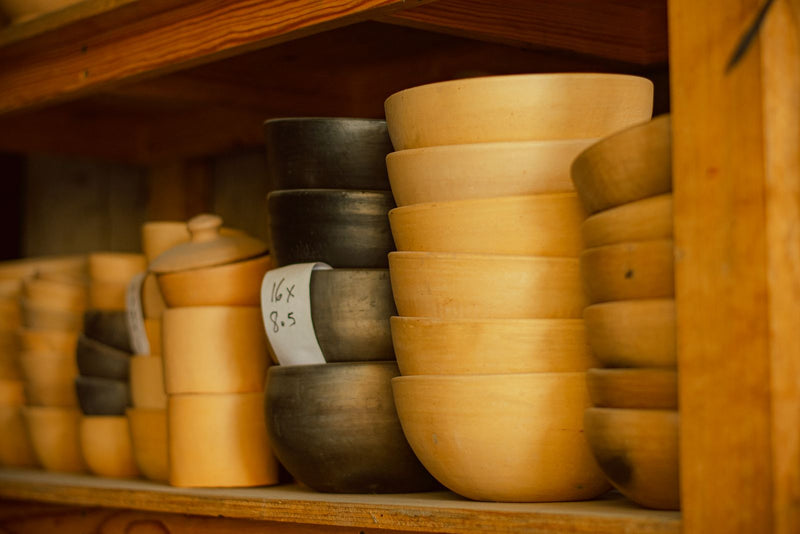
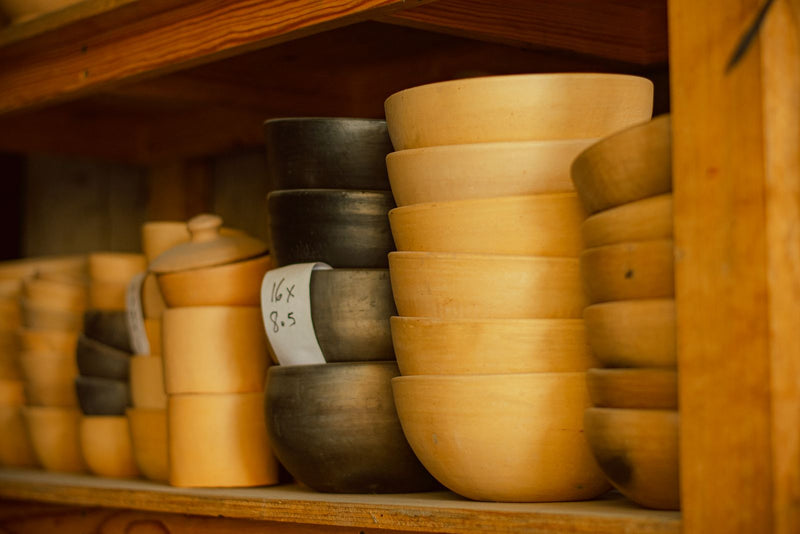
There is a cabinet or a shelf where the good pieces live. Not the everyday melamine, but the wooden bowls, the matched plates, the boards that only come out for company. In some houses these are kept behind glass and dusted more often than used. When guests arrive, even for merienda at three in the afternoon, the good pieces come down. This is not showing off. It is signaling that this moment counts. In houses that lean into the wooden tradition, the pieces are often acacia, which reads warmer at the table and softens the sound of a spoon set down beside a bowl of ginataang bilo bilo.

The set that comes down for every visit
A matched family hosting set is what the "good plates" instinct looks like when the household finally gives up on mismatched hand-me-downs.
Shop the Family Hosting Set →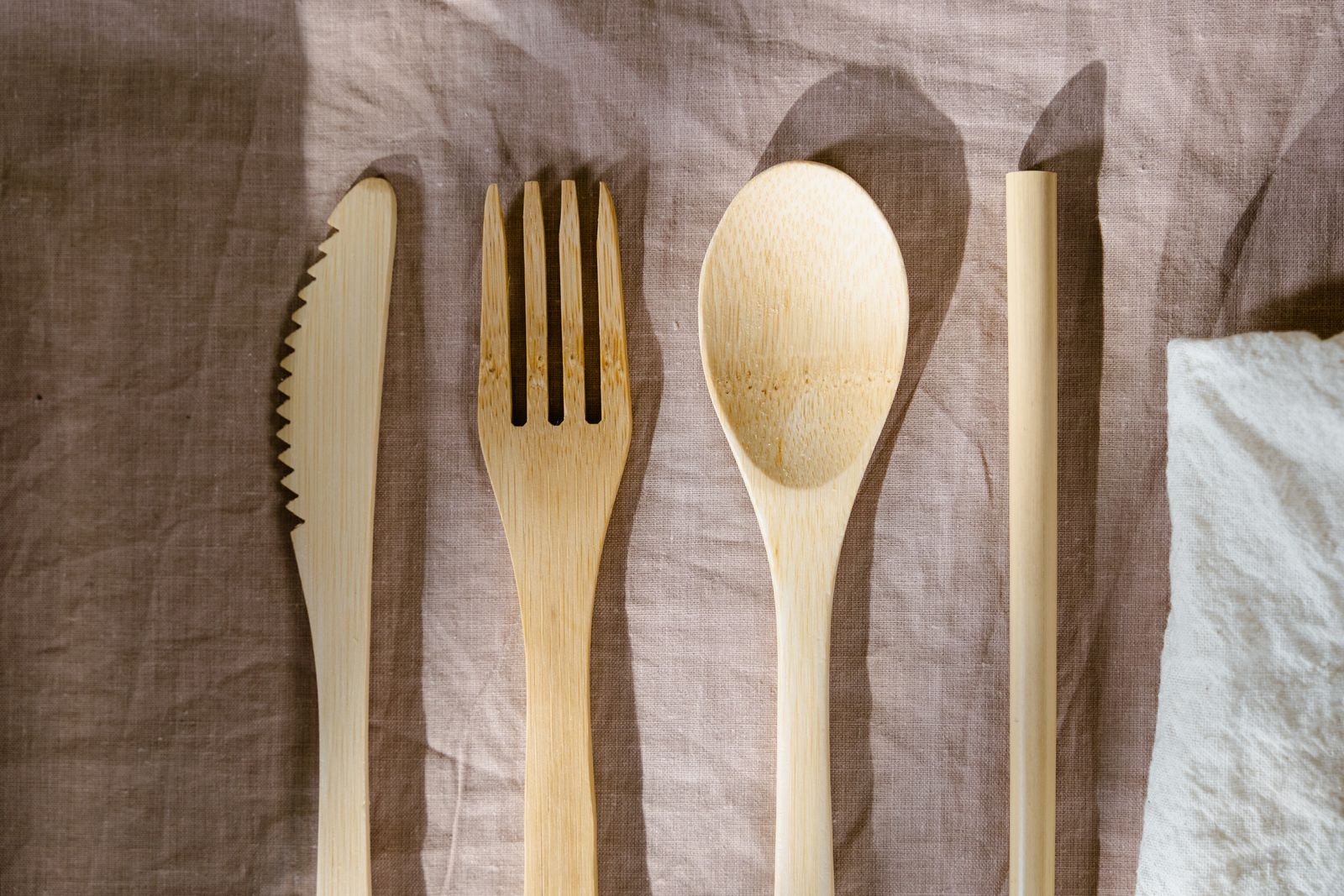
The table that speaks before you do
By the time a guest sits down, the table has already delivered half the message. The arrangement carries meaning that the host does not have to speak out loud. A well-set Filipino table is a form of communication that guests read without knowing they are reading it.
4. Rice is set out before anything else, always
The rice hits the table first, and it hits the center. This is not because rice is the most complicated dish. It is because rice, on the Filipino table, is the anchor. Every other dish orients around it. Ulam is what you put on rice. Sabaw is what you pour over rice. Even the dessert is often rice. Setting rice out first is the way a Filipino host says the meal has begun and everything else follows from here. In some homes the pot itself comes to the table. In others a wooden bowl of rice sits in the middle and gets refilled from the cooker in the kitchen every twenty minutes without anyone noticing.
5. There is a plate for the person who might drop by
The number of plates on a Filipino table is not the number of confirmed guests. It is the number of confirmed guests plus one, and sometimes plus two. The extra plate is for the tita who said she was not coming but has been known to change her mind, or for the neighbor who might walk in with a container of pancit, or for the cousin who forgot to reply. The extra plate is a form of readiness. It is the physical shape of the belief that a Filipino home should never have to say "sorry, we were not expecting you."
6. Serving pieces do the talking, matched bowls signal care
Watch what a Filipino host does with the serving pieces. The salad goes in the wooden bowl that matches the one already on the table. The lechon lands on the board, not on a plate. The sawsawan of suka and patis gets its own small dish, not a used bowl from earlier. Matched serving pieces are a quiet flex, but the flex is not about wealth. It is about attention. A guest who notices that everything on the table belongs to the same family understands, without being told, that the host was thinking about this the day before. This is one of the things diaspora Filipinos often notice in their parents and then find themselves doing at their own tables, years later.
Feeding past full
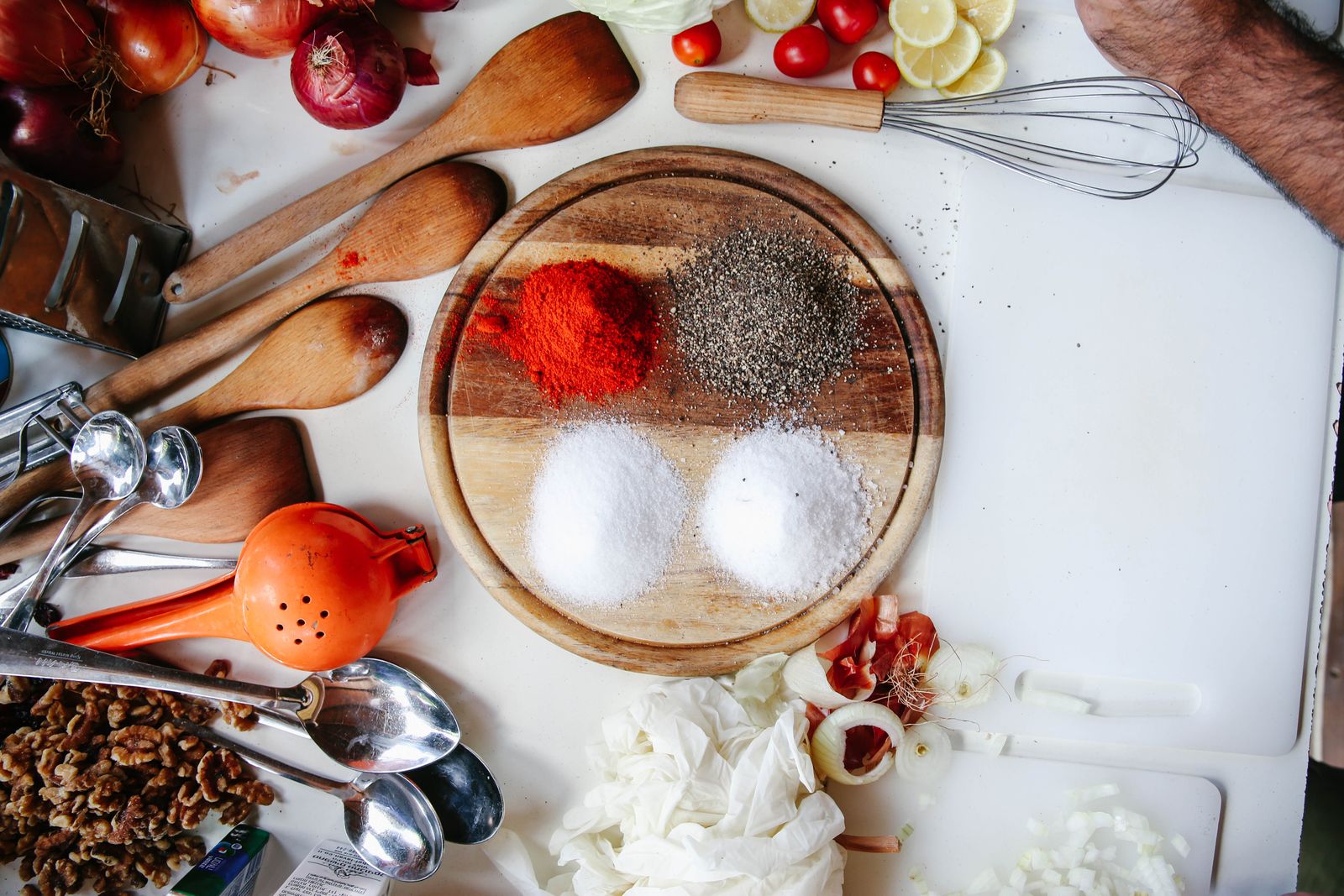
The middle of the meal is where the hosting turns into something slightly unreasonable, in the best way. The rules of eating shift. What would be considered pushy in another culture becomes the mark of a good host in this one. Guests learn to pace themselves not by the size of their plate but by the number of times "kain pa" is coming.
7. "Kain pa" is not a suggestion, it is the second course
"Kain pa" translates loosely to "eat more," but the translation misses the grammar of it. It is not a question. It is not an invitation. It is the beginning of a small negotiation in which the host is expected to insist and the guest is expected to protest, at least once, before accepting. Refusing on the first pass is the polite move. Refusing on the third pass is a signal that something is wrong. A Filipino host who accepts "no thank you" too quickly has failed a small test. The proper response to a full guest is a fresh plate of rice.
This mindset connects to the way a Filipino handaan is planned around abundance rather than portion control. When a birthday feast is on the table, "kain pa" is the frame, not the exception.
8. The host eats last, or eats standing up
This is the item that is often true but not universal, and worth naming as a tendency rather than a law. In many Filipino households, especially older ones, the host does not sit down for the first plate. The host is watching the sabaw pot, refilling the rice, checking on the tita in the corner, bringing out the fourth ulam that was still in the kitchen. When the host finally sits, it is often after the main course, sometimes with a plate in hand near the kitchen doorway. The reason is not martyrdom. It is a specific idea of what a host is: the person who keeps the meal moving so that the guests do not have to think.
Diaspora Filipinos raised outside the Philippines often notice this in their own parents and did not know it had a name. The eating standing up. The plate on the counter, half-finished, while another pot of rice goes on. It is not that the host is not hungry. It is that the host is busy holding the shape of the meal together.

Built for the "one more ulam" table
When abundance is the point, the serving pieces need to be scaled for it, with room for the ulam that only comes out for handaan.
Shop the Royal Hosting Set →Reading the room without asking
A Filipino host is doing a lot of quiet accounting during a meal. The eye is on the table, but it is also on the guests, watching for the things people will not ask for out loud. This is the part of hosting that cannot be delegated. It is entirely about attention.
9. Drinks get refilled before the glass is empty
The Filipino host tracks glasses. Not just water, but softdrinks, beer, calamansi juice, whatever is on the table. The refill comes before the glass hits the bottom, not after. The logic is that a guest should not have to ask, and should not have to pause the conversation to signal. A half-full glass gets topped up. A near-empty glass gets a new pour before it becomes an interruption. Guests often do not notice this is happening. That is exactly the point. The best hosting is the kind the guest cannot see.
10. The quiet guest gets fed first, not asked twice
This is the habit that separates a competent Filipino host from an excellent one. Around the table there is always one guest who does not reach. The tita who is being polite. The cousin who does not want to be a bother. The friend who does not know if it is okay to take another piece of the lechon. The host notices this before anyone else, and the host acts. A plate gets prepared without asking. A serving goes onto the shy guest's plate with a light "kunin mo na." The message is: you do not have to make yourself small in this house.
This is where Filipino hosting connects to a much older idea. Hosting is not a performance for the loud guest. It is a protection for the quiet one.
Nobody leaves empty-handed
The meal is not over when the plates are cleared. There is a whole second act, and this is the one that catches non-Filipino guests by surprise the most. The way a Filipino host ends a visit is where the philosophy shows through.
The pasalubong-in-reverse rule
Pasalubong is normally understood as the gift you bring home from a trip. Inside a Filipino home, it takes a different shape. When guests leave, they leave with food. Not a small bite for the road, but real food, in a real container, wrapped for the ride home. Leftovers get packed. The extra ulam that no one touched goes into a takeaway. The dessert nobody had room for goes into a plastic tub. The host insists. The guest protests once, then accepts. This is not the host getting rid of surplus. It is the host extending the meal past the front door.
The walk to the gate, the wave until the car turns the corner
The last habit is the smallest and the one that says the most. A Filipino host does not close the door behind a guest. The host walks them out. Past the sala, past the door, past the driveway, all the way to the gate. Sometimes past the gate to the car. The wave continues until the car turns the corner or the guest disappears down the street. There is no protocol here. There is only the sense that the visit is not over until the guest is out of sight. In condo buildings, this becomes the elevator ride down to the lobby. In a diaspora house on a suburban street, it is the driveway in slippers with the porch light on.
What this tells us about pakikisama and the Filipino idea of a full home
Stitched together, these ten habits describe something that is not really about food or plates. They describe a shape of hospitality in which the host's job is to make the guest feel accounted for from the moment they walk in to the moment they turn the corner. A full home, in the Filipino sense, is not measured by how much was served. It is measured by whether the guest ever had to ask for anything.
For diaspora readers watching their own parents do these things in a house half a world from Manila, this is often the thing that clicks. The habits travel. The idea underneath does not need a specific address to survive. For a broader frame on where these instincts come from, our essay on Filipino dining traditions traces this arc through generations, from the province table to the apartment kitchen in a city the host's parents never saw.

For the smaller salu-salo
Not every gathering is a full handaan. A mini set carries the same care for four to six at the table, merienda included.
Shop the Mini Hosting Set →Frequently asked questions
What is the most important rule of Filipino hosting?
There is no single rule, but if you had to name one, it would be that the guest should never have to ask. Rice arrives before it is requested. Glasses get refilled before they empty. Leftovers are packed before goodbyes. Everything else in Filipino hosting is a variation on that one instinct.
Why do Filipino hosts always make extra food?
Running out is considered a small disaster, and the fear of it is baked into how much rice goes into the pot. Extra food is a safety margin against the unexpected guest, the second helping, and the takeaway for the ride home. It is generosity, but it is also insurance.
Is it rude to refuse food from a Filipino host?
Refusing once is polite and expected. Refusing three times begins to signal that something is wrong. A gentle "no thank you, I am really full" said with a smile, and eventually accepting a small serving, is the middle ground most Filipino hosts read correctly.
What is pasalubong and do guests bring it or receive it?
Traditionally, pasalubong is what you bring back from a trip for the people who stayed home. Inside a Filipino home, guests often receive a version of it, food packed to take home at the end of the visit. It is the host's way of saying the visit does not end at the door.
Do Filipinos really eat last as hosts?
Many do, especially in older households, but this is a tendency rather than a strict rule. The host often eats standing up or after the guests are settled, less as a sacrifice and more as a way of keeping the meal moving. Younger hosts increasingly sit down with the first round, and both patterns count as hosting well.
How is Filipino hosting different from Western dinner parties?
The main difference is the geometry of attention. In many Western traditions, the host is a fellow guest at their own party. In the Filipino tradition, the host is a distinct role, one whose job is to see what nobody is asking for and provide it anyway. The party is not a shared performance. It is a service rendered.