Behind every bowl, plate, and board at Dalisay & Co are the skilled hands of Filipino artisans who have dedicated their lives to mastering the ancient craft of woodworking. These aren't factory workers operating machines, they're manggagawa (craftspeople) carrying forward a tradition that spans generations in Pampanga, Philippines.
This is their story. And when you hold one of our pieces, it becomes part of yours too.
Pampanga: The Heart of Filipino Woodcraft
A Regional Legacy
Pampanga, located in Central Luzon about 90 kilometers north of Manila, has been a center of Filipino craftsmanship for centuries. The province's rich clay soil and proximity to hardwood forests made it a natural hub for both pottery and woodworking, trades that have defined Pampanga's identity for generations.
The Kapampangan people (residents of Pampanga) are renowned throughout the Philippines for their artistry, whether in cooking, sculpture, furniture-making, or decorative woodcarving. This reputation for excellence isn't accidental, it's cultivated through generational knowledge transfer and a cultural pride in craftsmanship.
From Necessity to Art
Woodworking in Pampanga began as practical necessity, creating tools, utensils, and furniture for daily life. Over time, function merged with aesthetics as artisans developed techniques to reveal the natural beauty of Philippine hardwoods like acacia, narra, and kamagong.
Today's Pampanga woodworkers stand at the intersection of tradition and market, preserving ancestral techniques while adapting to contemporary design needs and global quality standards.
The Artisan's Journey: More Than Just a Job
Learning the Craft: Years, Not Months
Becoming a skilled woodworker in Pampanga isn't a quick process. Most artisans begin their training as teenagers, learning under master craftspeople, often family members who pass down techniques, tools, and trade secrets.
The apprenticeship path typically follows:
Years 1-2: Foundation Skills
- Wood selection and quality assessment
- Basic tool handling and maintenance
- Understanding grain direction and wood behavior
- Simple shaping and sanding techniques
Years 3-5: Intermediate Development
- Complex shaping and carving
- Finishing and sealing techniques
- Problem-solving for wood irregularities
- Speed and efficiency improvement
Years 6+: Mastery
- Design interpretation and adaptation
- Quality control and consistency
- Training younger apprentices
- Specialization in particular techniques or products
The Tools of the Trade
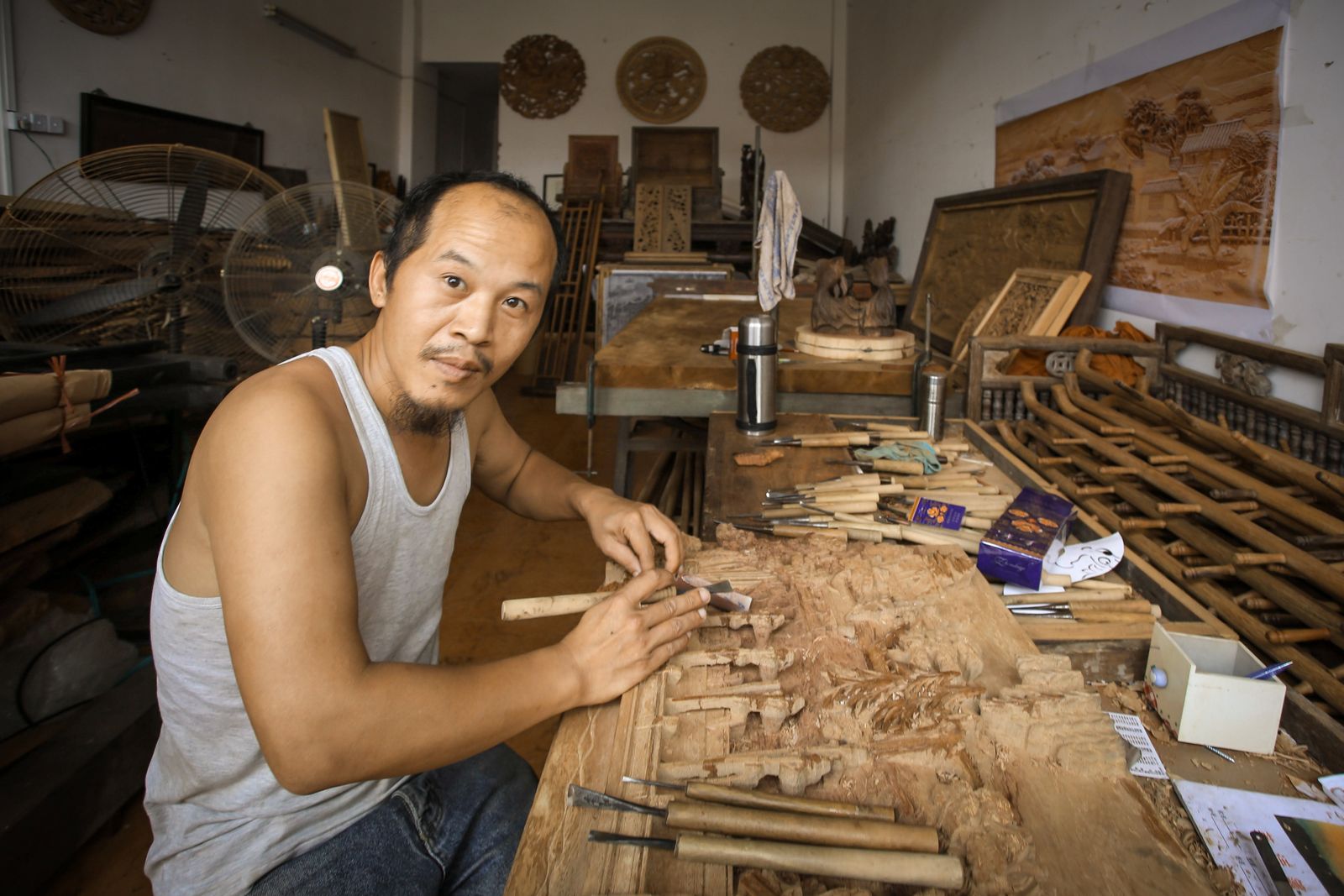
While modern power tools have supplemented traditional methods, Pampanga artisans still rely heavily on hand tools:
- Ginilap (hand planes): For smoothing surfaces and shaping curves
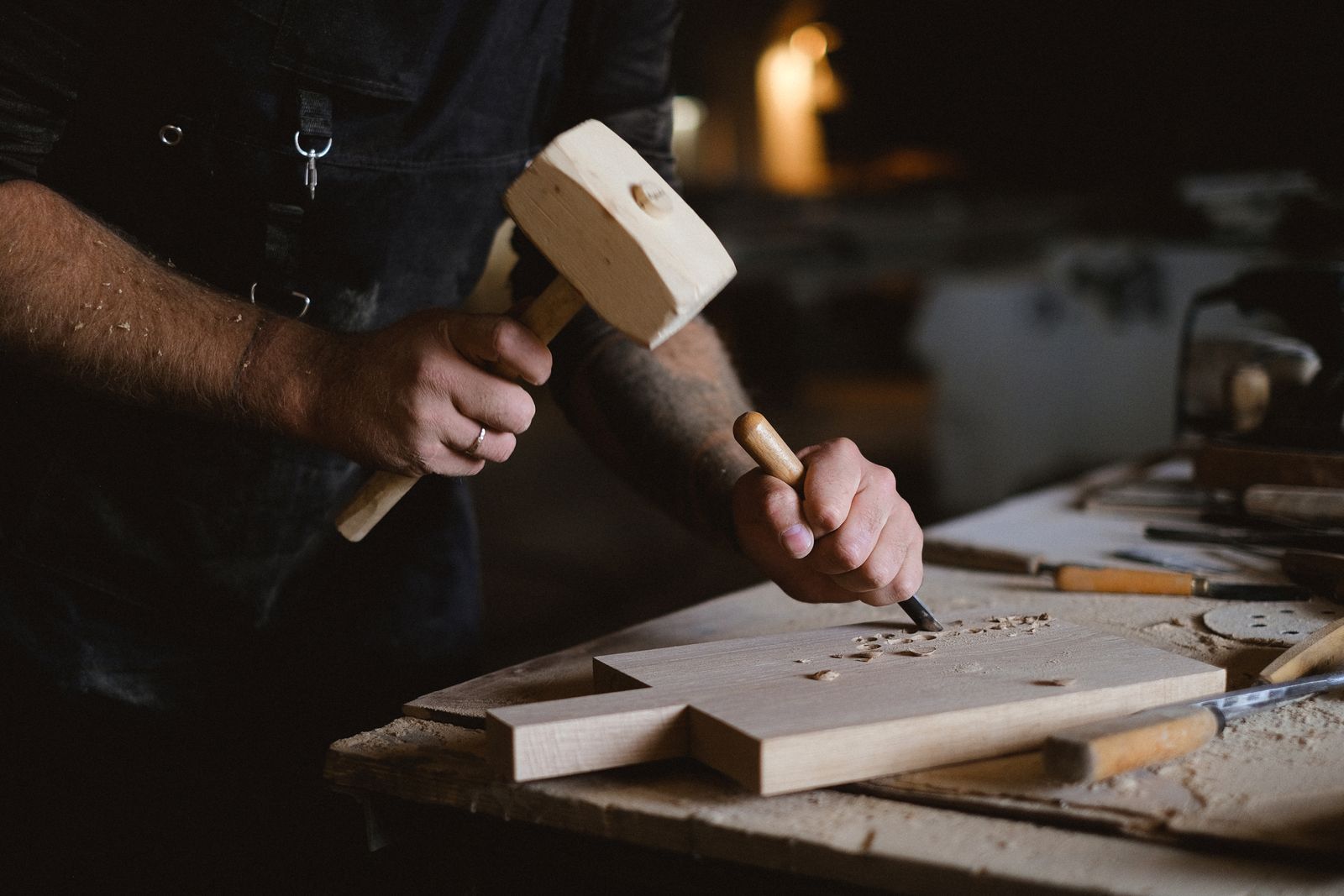
- Pait (chisels): Various sizes for carving and detail work
- Lagari (hand saws): For precision cutting
- Liha (sandpaper/files): Multiple grits for finishing
- Katam (spokeshave): For rounding edges and creating curves
Many artisans inherit their grandfather's tools, maintaining and sharpening them with the same care as the original owner. A well-maintained tool can serve three generations of craftspeople.
"A well-maintained tool can serve three generations of craftspeople."
Creating Each Piece: The Dalisay & Co Process
Each piece begins with the wood itself. Our artisans inspect every log of acacia for grain pattern, moisture content, and the absence of deep cracks or rot. They look for color variation that will become character, the heartwood and sapwood that give each finished piece its individual story. The best logs are set aside for Dalisay & Co work, a small point of pride in the workshop.
From the chosen log, the rough shape emerges. Using a combination of band saws and hand tools, artisans cut the wood into forms slightly larger than the final product. The cut follows the grain. Wood has a structural direction that the maker must respect. A piece cut against the grain breaks easily; a piece cut with it carries the wood's full strength.
The shape gets refined on the lathe for bowls and curved pieces, where the wood spins while the artisan applies a chisel or gouge. This is where decades of practice show. Maintaining even wall thickness as the wood turns, responding to grain irregularities in real-time, achieving consistent dimensions across multiple pieces. These are not technical specifications. They are muscle memory. Flat pieces like plates and boards are shaped with planes and spokeshaves, requiring the same skill to keep the thickness even and the surface smooth.
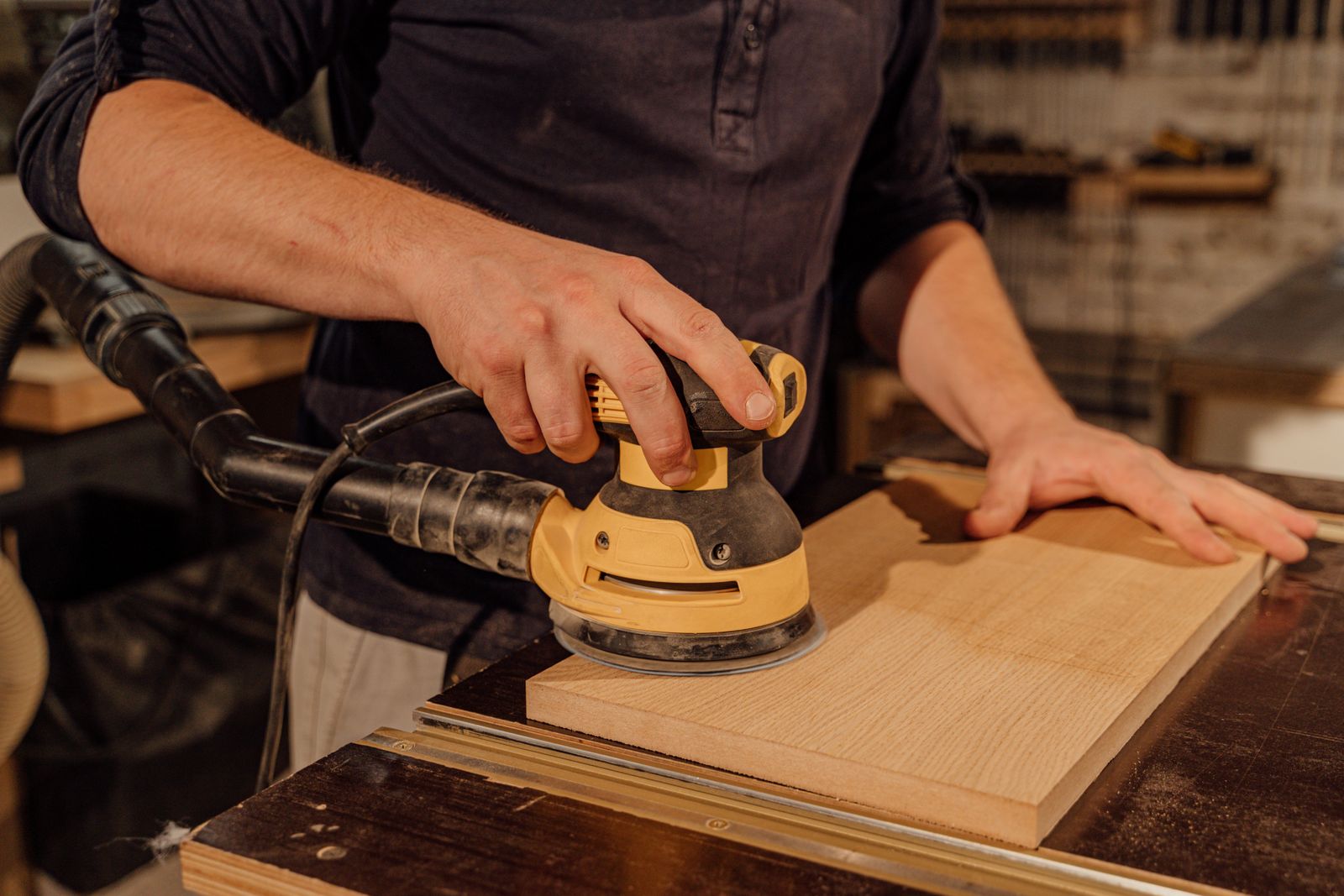
Then comes the sanding, the most time-intensive step and the one that separates a beautiful piece from a merely functional one. Artisans hand-sand through four grits: 80 to remove tool marks and major irregularities, 120 to smooth, 180 to refine the texture, 220 for the final silky finish. Every curve, every edge, every surface gets individually sanded by hand. For a larger piece, this can take hours.
The finishing step layers food-safe oils and waxes that protect the wood from moisture, enhance the natural grain, and create the smooth pleasant-to-touch surface that makes acacia feel alive. Artisans apply multiple thin coats, sanding lightly between, building a durable finish that brings out the wood's rich, varied tones.
Before any piece leaves the workshop, it goes through final inspection. A visual examination for cracks or finish flaws. A tactile assessment, running hands across every surface. A dimensional check. About 85 percent of finished pieces pass. A statistic that tells you what "quality over quantity" actually means in practice.
The Human Element: Why Handcrafted Matters
Each Piece is Unique
Because real human hands shape every Dalisay & Co product, no two pieces are identical. You might notice:
- Slight variations in size (within acceptable ranges)
- Different grain patterns and wood coloring
- Minor asymmetries that reveal handwork
- Individual character that distinguishes your piece from all others
This isn't imperfection, it's authenticity. It's proof that a skilled artisan, not a machine, created what you hold.
Supporting Livelihoods, Building Futures
When you purchase from Dalisay & Co, you're directly supporting Filipino artisan livelihoods. Our commitment includes:
- Fair compensation: Above local market rates for quality work
- Consistent work: Regular orders that allow artisans to plan financially
- Skill development: Support for apprenticeship programs
- Community investment: A portion of profits returns to artisan communities
- Recognition: Artisan stories shared to honor their contribution
Preserving Cultural Heritage
Filipino woodworking traditions face pressure from mass production and changing economic realities. Young people increasingly choose other careers, threatening centuries-old knowledge transfer.
By choosing handcrafted pieces, you participate in preserving this cultural heritage. You make it economically viable for the next generation to learn these skills, ensuring that Filipino craftsmanship continues.
Meet the Makers: Coming Soon
We're excited to introduce you to the individual artisans behind our collections. Each month, we'll profile a different craftsperson, sharing:
- Their personal journey into woodworking
- What they love most about their craft
- The techniques they've mastered
- How they see their role in preserving tradition
- The pieces they're proudest of creating
Subscribe to our email list to receive these artisan profiles and go behind the scenes in Pampanga workshops.
The Difference You Can Feel
When you receive your Dalisay & Co piece, take a moment to truly examine it:
- Run your fingers over the smooth surface, feel the hours of hand sanding
- Notice the grain pattern, see how the artisan worked with the wood's natural beauty
- Observe the curves and edges, each one individually shaped and refined
- Appreciate the weight and balance, designed for actual use, not just display
These details aren't accidents. They're the result of skill, care, and pride in craftsmanship, the hallmarks of true artisan work.
Supporting Artisan Livelihoods Through Your Purchase
Every purchase from Dalisay & Co creates tangible impact:
For Individual Artisans:
- Fair wages that support families
- Stable work that allows long-term planning
- Pride in seeing their work valued globally
- Opportunities to pass skills to the next generation
For Communities:
- Local economic development in Pampanga
- Preservation of cultural heritage
- Infrastructure improvements funded by profit-sharing
- Educational opportunities for artisan children
For You:
- Products with authentic stories and cultural significance
- Quality that outlasts mass-produced alternatives
- Connection to makers and tradition
- Meaningful purchases that align with your values
Join Us in Honoring Filipino Craftsmanship
We invite you to become part of the Dalisay & Co family, not just as customers, but as partners in preserving and celebrating Filipino artisan traditions.
Bring this craft to your table. Explore our handcrafted collection, and tag us #DalisayTable when our pieces become part of your story.
Frequently Asked Questions
Where exactly are Dalisay & Co products made? All current Dalisay & Co products are handcrafted by artisans in Pampanga, Philippines, a region with generations of woodworking tradition.
How are artisans compensated? We pay above local market rates for quality work and commit a portion of our profits to direct support of artisan communities, with full transparency shared annually.
Can I meet or contact the artisan who made my piece? While we don't provide individual artisan contact information to protect their privacy, we share regular artisan profiles and stories. We're exploring ways to include artisan signatures or marks in future collections.
How do you ensure quality control? Each piece undergoes rigorous inspection by both the artisan and our quality team. We maintain high standards and reject pieces that don't meet specifications, even if it means lower production volumes.
What happens to rejected pieces? Rejected pieces are either reworked if possible or sold locally at reduced prices as "seconds," with full disclosure of imperfections. We never ship substandard products internationally.
Are you expanding to work with more artisans? As our business grows, we plan to partner with additional Pampanga workshops and potentially expand to other Philippine regions known for specific crafts, always maintaining our quality and fair compensation standards.